

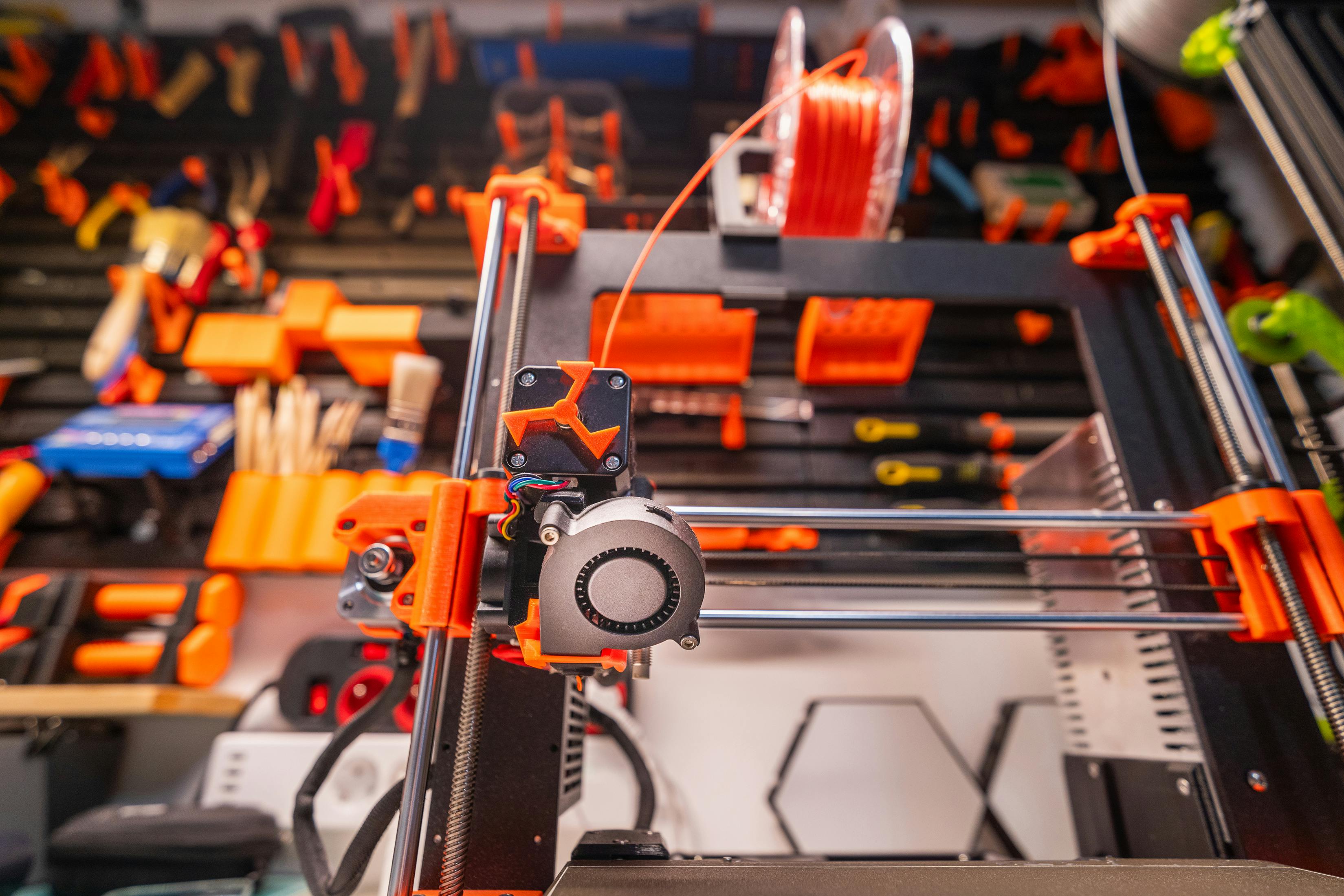
Most inventors do not need three prototypes to reach a license. They need one, and often it is virtual. An industry breakdown from Enhance Innovations, the Champlin, Minnesota product development firm, sorts prototypes into three categories and argues that the category inventors reach for first is usually the one they need least.
The three categories
The Enhance Innovations analysis splits prototypes into a virtual prototype, a looks like prototype, and a works like prototype. Each answers a different question, and confusing them is where budgets go sideways.
The virtual prototype
A virtual prototype is a digital model: photorealistic renderings, a CAD file, and optionally a short animation. It shows exactly what a product looks like and, with animation, how it moves, without any material being cut. The analysis positions this as the core deliverable on the licensing path, because it is what companies review when deciding whether to take a product forward.
The looks like prototype
A looks like prototype is a physical model built to match appearance. It feels real in the hand but does not function. It has a place in trade show displays or tactile presentations, yet it duplicates information a rendering already communicates for a fraction of the cost.
The works like prototype
A works like prototype functions the way the final product will, even if it looks rough. This is the expensive category, and the analysis is direct that most inventions never require one before a licensing conversation. A works like unit matters when a mechanism is genuinely novel and a company needs proof it operates. For the majority of consumer products, the function is understood and does not need physical proof.
The three categories are not a ladder to climb in order. They are options to choose among based on what a specific product and a specific reviewer require. An inventor with a simple household item may need only the virtual prototype. An inventor with a mechanical device might need a works like unit and skip the looks like model entirely. Treating the set as a menu rather than a sequence is the shift the analysis asks readers to make.
Why the default is backward
The instinct to build something you can hold is strong, and it is also where money disappears. Tooling and functional builds carry real cost, and 3D printing has lowered the price of a rough physical model without making one necessary. The Enhance Innovations breakdown makes the case that companies license off renderings, CAD, and animation, so the spend on a physical unit often buys reassurance rather than results.
University tech transfer offices, which license inventions for a living, evaluate technologies through documentation and data long before any physical model appears. The MIT Technology Licensing Office and Stanford’s Office of Technology Licensing both structure their process around disclosure and evaluation, not around a workbench.
When a physical unit does earn its cost
The analysis does not dismiss physical prototypes. It scopes them. A works like unit earns its cost when a mechanism is genuinely new and a company will not believe it operates until they see it move. Certain categories, such as mechanical tools or products with an unusual moving part, can hinge on that proof. The point is not that physical models are useless. It is that they are situational, and treating a situational tool as a required first purchase is how inventors overspend before they have tested demand.
There is also a sequencing benefit to going virtual first. A rendering can be revised in hours. A physical model has to be rebuilt. Locking a design in plastic before it is settled means paying twice, once for the model and again for its replacement. A virtual prototype lets an inventor iterate cheaply, then commit to a physical build only once the design has stopped changing.
What this means for a budget
The practical takeaway is an order of operations. Confirm the idea is clear enough to render. Build the virtual prototype. Add a physical model only when a specific reviewer asks for one or a mechanism demands proof. That sequence keeps the largest costs optional instead of assumed.
The United States Patent and Trademark Office reminds inventors at its patent basics hub that a patent protects an invention regardless of whether a physical unit exists, which underlines the point: the paperwork and the presentation carry the licensing conversation, not the model on the shelf. For most inventors, one prototype, made of pixels rather than plastic, is enough to start.