News
Mastering Gear Storage: How to Organize and Protect Your Commercial Fishing Supplies
By News Edition
June 22, 2026
Field Notes
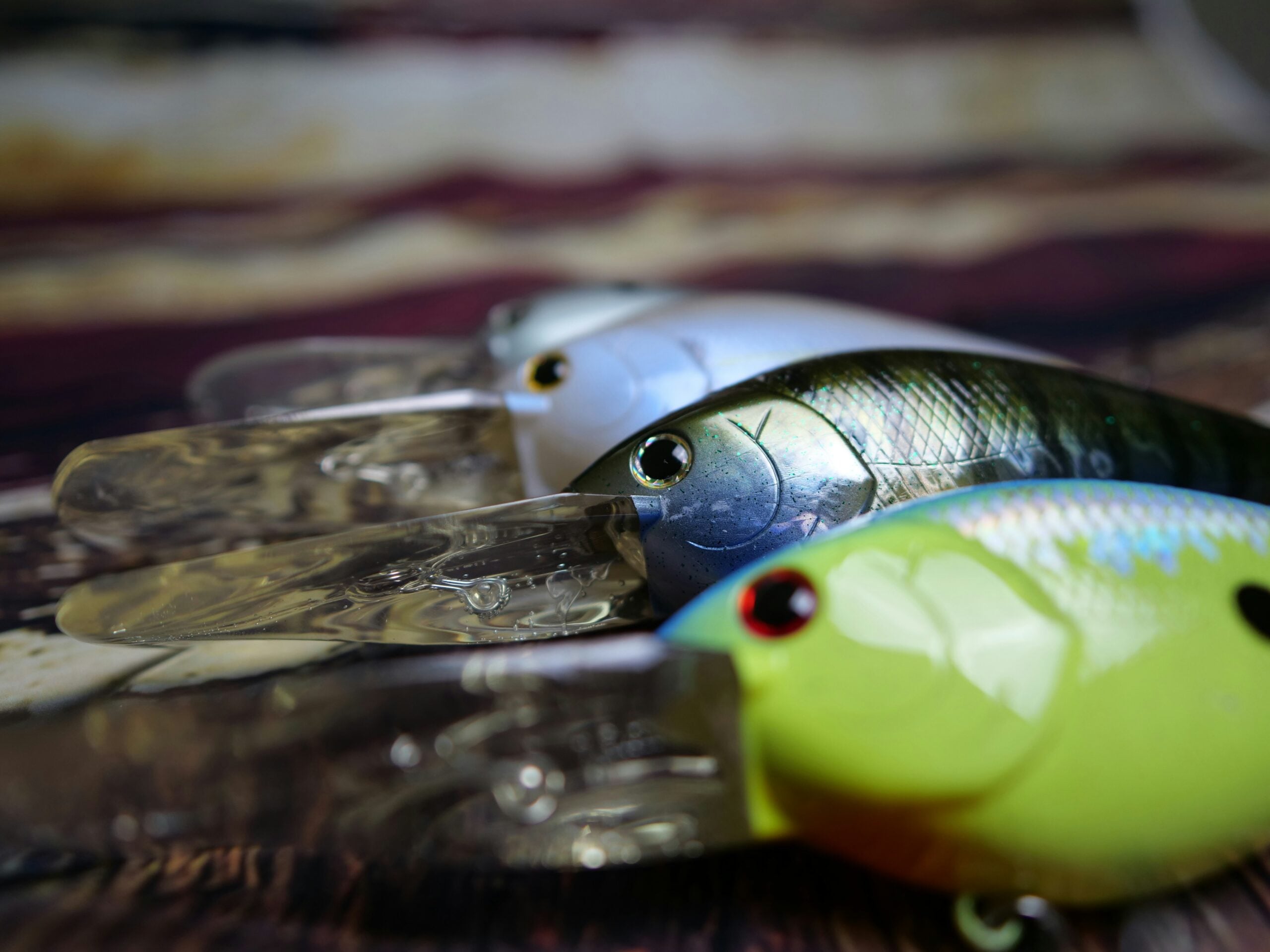
Commercial fishing isn’t just a tough job for the crew; it takes a serious toll on your gear. Saltwater, unrelenting sun, and constant use quickly wear down even the best equipment if you aren’t paying attention. When you’re out on the water, you rely on your tools to get the job done efficiently and safely. A tangled net or a rusted hook slows you down and cuts directly into your profits. That’s why properly managing your commercial fishing supplies from day one is so crucial.
A good organizational system isn’t just about keeping the deck looking neat; it extends the lifespan of your gear and ensures everything is ready the moment the fish start biting. Let’s look at some practical ways to organize and protect your equipment so it stays in pristine condition season after season.
Wash Before You Store
Before you can organize anything, you have to clean it. You can’t just toss salty, wet gear into a bin and expect it to survive. Salt is incredibly corrosive, and if you leave it sitting on your metal components or woven fibers, it will eat right through them. The very first step in your organizational routine must be a thorough freshwater rinse.
Dedicate a specific zone on your dock or deck for washing down equipment. Once everything is rinsed, give it ample time to dry completely. Storing damp gear in enclosed spaces creates the perfect breeding ground for mold and mildew, which destroys fabric fibers faster than almost anything else. Only after your tools are completely dry should they go into their designated storage spots.
Taming the Nets and Twine
Nets are often the most expensive items on your boat, so they deserve top-tier treatment. Leaving them piled up in a corner exposes them to direct sunlight, and prolonged UV exposure weakens the mesh, making it prone to tearing when you pull a large catch.
Instead of leaving them exposed, designate a specific, shaded storage area for your netting. If you have the space, hanging them on large wooden or plastic pegs allows air to circulate freely around the material. If hanging isn’t an option, carefully fold and pack them into breathable storage bags or slatted crates. Never stuff them into airtight plastic bins, as any trapped residual moisture will cause rot. Keeping them elevated off the floor also protects them from dock pests that might view your expensive netting as a great place to build a nest.
Categorizing the Metal Hardware
Hooks, swivels, rings, and clips have a nasty habit of turning into a rusted, tangled mess if you just throw them into a single bucket. To keep your metal hardware in fighting shape, you need a strict sorting system.
Invest in high-quality, waterproof organizational boxes with adjustable compartments. Sort your hardware by size and type, keeping longline clips separate from your specialized hooks. To combat rust, drop a few desiccant packets into each compartment. These little packets absorb ambient moisture and keep the metal dry. Some captains also swear by giving their metal components a very light spray of a marine-grade rust inhibitor before closing the lid. Label the outside of each box clearly with a waterproof marker so your crew knows exactly what is inside without having to rummage through multiple containers.
Coiling and Securing Your Lines
Ropes and lines are the lifelines of your operation. When a line gets knotted or kinked, it slows down deployment and creates a severe safety hazard on a busy deck. You should train your entire crew on the proper way to coil a line to prevent twisting.
Once a line is neatly coiled, secure it with a reusable velcro strap or a short piece of bungee cord. Just like your nets, your lines need to stay out of the direct sun when not in use. Install dedicated hooks or specialized line spooling stations along the interior walls of your storage shed or cabin. Keeping them coiled and hung up prevents them from getting trampled underfoot and keeps your deck clear of tripping hazards.
Protecting Electronics and Sensitive Gear
Modern commercial fishing relies significantly on technology. Your fish finders, GPS units, and specialized testing equipment are sensitive to both moisture and extreme temperature swings. Whenever possible, these items shouldn’t be left on the boat overnight if it is docked in a harsh climate.
Create a grab-and-go system using padded, waterproof hard cases. These cases feature customizable foam inserts that hold your fragile electronics snugly in place, protecting them from unexpected impacts. Bring these cases inside a climate-controlled building at the end of your shift. Taking this extra step ensures your navigation and tracking tools fire up reliably the next morning.
Creating a Dedicated Repair Station
Even with the best care, things will eventually break. Instead of scattering your repair tools across the boat, consolidate them into a single, highly organized repair station. Keep your patching twine, splicing fids, pliers, and spare netting in one clear, waterproof tote.
When you notice a small tear during a haul, you’ll know exactly where to find the tools to fix it immediately. Addressing minor damage right away prevents it from turning into a major failure later on. A dedicated repair kit keeps you proactive rather than reactive, saving you from headaches during crucial fishing windows.
A Worthwhile Daily Routine
Running a successful fishing business means protecting your investments. It takes a little extra time at the end of an exhausting day to rinse, coil, and store everything properly. However, that small daily effort pays off immensely over the long run. When you organize your gear strategically, you eliminate the frustrating hunt for lost tools, reduce the need for frequent replacements, and keep your crew operating smoothly. Treat your equipment with the respect it deserves, and it will reward you with reliable performance, haul after haul.