News
Spotting the Locals: How to Maximize Wildlife Viewing on Your Mountain Vacation
By News Edition
June 22, 2026
Field Notes
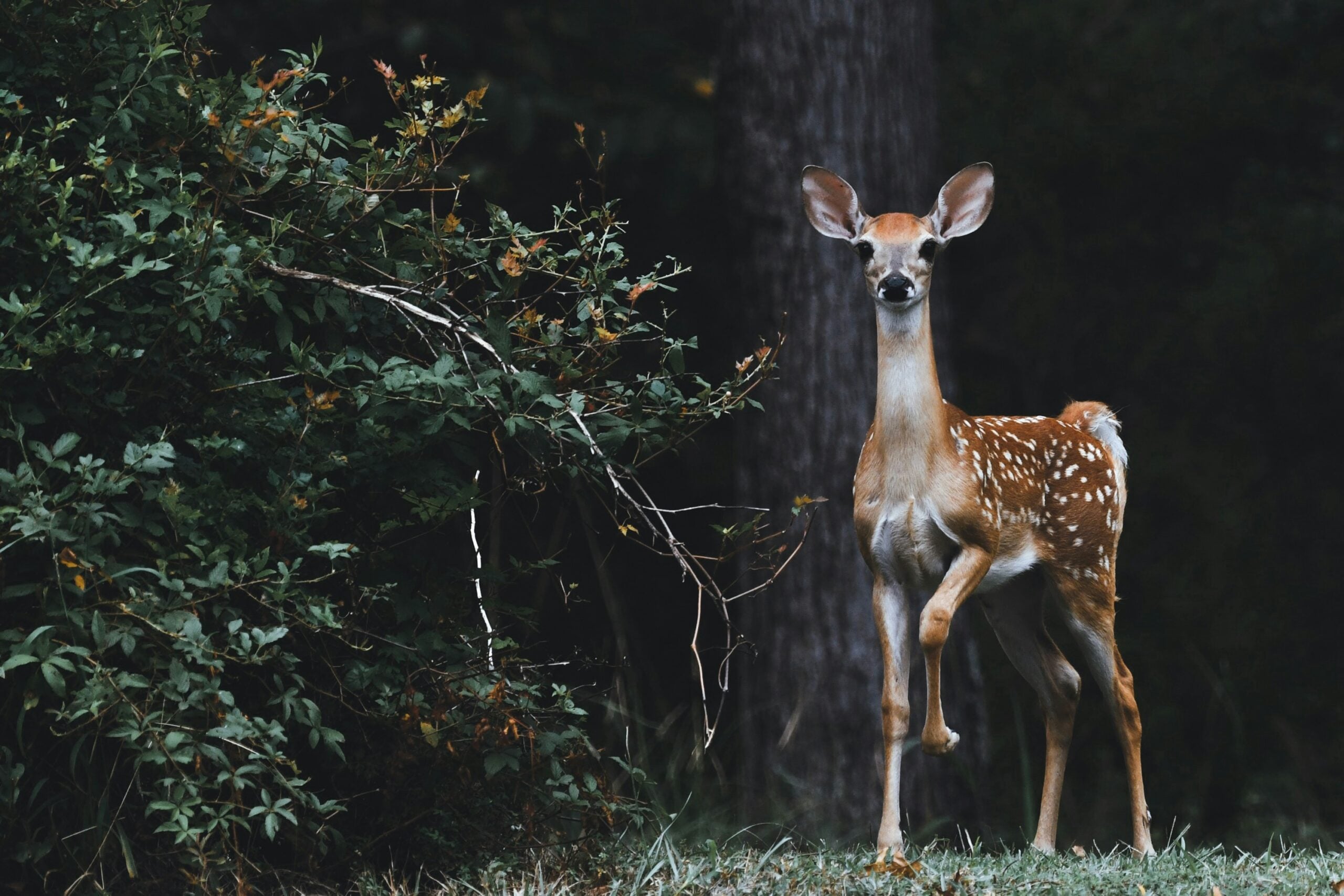
A trip to the high country offers a much-needed break from the daily grind. You get fresh air, towering pines, and a chance to disconnect. But for many of us, the real highlight of booking a stay at a beautiful mountain resort is the chance to see wildlife in its natural habitat. Spotting a black bear foraging in a meadow, a majestic elk crossing a stream, or a bald eagle soaring overhead creates memories that outlast any souvenir you could buy in a gift shop.
However, the woods aren’t a zoo. The animals operate on their own schedules and generally prefer to stay hidden from humans. If you want to increase your chances of having a memorable encounter, you can’t just hike aimlessly and hope for the best. You need to adjust your approach and think a bit more like the animals you’re trying to find. Here are the best ways to spot more wildlife on your next alpine getaway.
Set Your Alarm Clock for the Edges of the Day
Most animals are crepuscular, meaning they’re most active right around dawn and dusk. When the sun is high in the sky and temperatures peak, wildlife tends to bed down in the thick brush to stay cool and conserve energy. If you hit the trails at noon, you’ll probably only see a few squirrels and birds.
To see the big guys, you have to embrace the early morning hours. Wake up before the sun, grab a cup of coffee, and head out while the morning mist still hangs over the valleys. The first hour of daylight is prime time for spotting deer, moose, and bears. Similarly, the last hour of light before sunset brings the animals back out to feed. Planning your excursions around these low-light periods will drastically improve your odds of a great sighting.
Dress for Success and Silence
Animals have incredible senses of hearing and sight. If you walk into the woods wearing a bright neon jacket and talking loudly with your group, every creature within a mile will know you’re coming and make a quick exit. You don’t need head-to-toe camouflage, but you should stick to muted, natural colors like greens, browns, and grays to blend in with the background.
Just as importantly, pay attention to the fabrics you wear. Avoid nylon jackets or swishy pants that create noise with every step you take. Opt for soft fleece or wool that moves silently. When you’re on the trail, keep conversation to a whisper and tread lightly. Step carefully to avoid snapping twigs or crunching dry leaves. The quieter you are, the more the forest will come alive around you.
Focus on Transition Zones and Water Sources
You might think the deepest, darkest part of the forest holds the most animals, but that isn’t usually true. Wildlife thrives in edge habitats. These are transition zones where a dense forest meets an open meadow or a brushy clearing. These areas offer the perfect mix of abundant food from the open spaces and immediate cover from the trees. Spend your time scanning the tree lines of large fields rather than staring into the thickest timber.
Additionally, every animal needs water. Find a quiet spot overlooking a stream, a natural spring, or a high-elevation lake. If you find a comfortable place to sit downwind of a water source and just wait, the wildlife will eventually come to you. Animals naturally funnel toward these life-giving areas, especially during the warmer summer months.
Invest in Proper Optics
Trying to watch a moose from a quarter-mile away with your naked eye is a frustrating experience. Trying to zoom in with your smartphone camera usually just results in a blurry, pixelated blob. If you’re serious about wildlife viewing, you need to bring the right gear.
A good pair of binoculars is the single best investment you can make for your trip. They allow you to scan distant hillsides and pick out the subtle twitch of an ear or the flick of a tail that you’d otherwise miss entirely. If you’re into photography, rent or borrow a telephoto lens before your trip. Good optics keep you safe by letting you observe from a comfortable distance, ensuring you don’t crowd the animals and force them to flee.
Practice Patience and Keep Your Distance
The biggest mistake people make is treating wildlife viewing like a scavenger hunt where they constantly march through the woods looking for the next animal. The most successful wildlife watchers are the ones who find a good vantage point and sit still for an hour or two. Let the woods settle down from the disturbance of your arrival. Eventually, the birds will start singing again, and the larger mammals will step out of the shadows.
Always remember that these are wild, unpredictable animals. Never approach them, and never offer them food. If an animal stops what it’s doing and stares at you, you’re already too close. If it changes its behavior because of your presence, you need to back away slowly. Give them plenty of space, respect their home, and enjoy the incredible privilege of watching them from afar.
Taking the time to slow down, blend in, and observe quietly transforms a simple nature walk into a true wilderness experience. Pack your binoculars, set your alarm early, and get ready to photograph the mountains in a whole new way.