News
Identifying the Warning Signs: How to Decide Which Tarp System Components Need Replacing
By News Edition
June 22, 2026
Field Notes
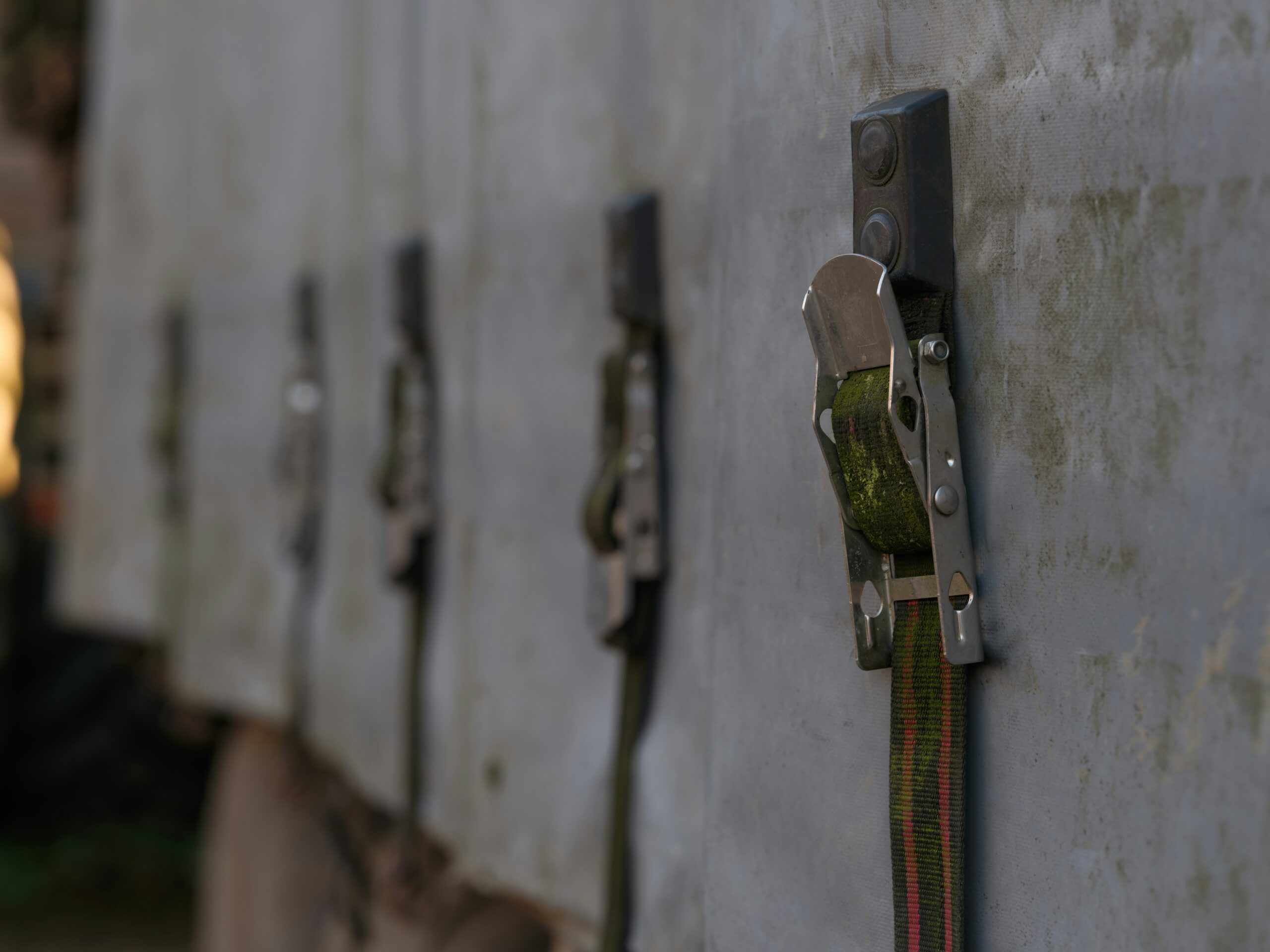
Hauling cargo across the country puts a lot of wear on your rig. From baking in the summer sun to freezing in winter storms, your truck endures the elements day in and day out. One of the most exposed pieces of equipment is the cover protecting your load. When things start breaking down, it is tempting to just patch it up and keep rolling. But eventually, a quick fix won’t cut it. Figuring out exactly when to patch a problem and when to swap out old tarp system parts saves you from unexpected breakdowns on the side of the highway. Knowing what to look for keeps your cargo secure and your operation running smoothly. Let’s walk through how to inspect your setup and decide which components are ready for the scrap pile.
Inspecting the Fabric
The fabric is your first line of defense, taking the brunt of the weather. Start by rolling it out completely and walking the entire length. You are looking for obvious tears, punctures, and frayed edges. If you find a small pinhole or a short slit, a high-quality patch kit usually does the trick. But patches only hold up if the surrounding material is still strong.
Pay close attention to the overall texture of the vinyl or mesh. Over time, ultraviolet rays from the sun bake the material, making it brittle and stiff. If you try to fold the fabric and it feels like stiff cardboard or starts cracking along the creases, a patch won’t hold. The material has lost its structural integrity. Once the fabric starts dry-rotting or getting threadbare across large sections, it’s time to replace the entire cover before it rips open at highway speeds.
Assessing the Aluminum Arms and Bows
The framework gives your cover its shape and tension. Take a close look at the metal arms, bows, and brackets. Since these pieces are often made of aluminum, they can bend if you accidentally clip a loading chute or if a severe windstorm catches the equipment while it’s deployed.
A slight curve in an arm might not seem like a big deal, but it throws off the alignment of the entire rolling mechanism. When the alignment is off, the motor has to work much harder to pull the cover back, and the fabric won’t spool evenly. If an arm is bent, dented, or shows hairline cracks near the weld joints, you need to replace it. Trying to bend aluminum back into shape weakens the metal further, practically guaranteeing it will snap later.
Evaluating Motors and Electrical Wiring
If you run an automated setup, the electric motor is the heart of your operation. Motors don’t usually fail overnight; they give you warning signs. When you push the button to deploy the cover, listen closely. If the motor sounds like it’s struggling, whining, or grinding, the internal gears are likely wearing out.
You should also notice the speed. If the cover rolls up much slower than it did last season, the motor is dying. Before you buy a new motor, trace the electrical wires back to the battery. Look for frayed casing, corroded terminals, or loose connections. Sometimes, a slow motor is just a victim of bad wiring. If you replace the wiring and clean the connections but the motor still sluggishly groans, it’s time to order a replacement motor.
Checking Manual Cranks and Hardware
For manual setups, your shoulder will usually tell you when something is wrong. Cranking the handle shouldn’t feel like a severe workout. If you meet sudden resistance or if the crank handle skips and catches, the internal gears or chain mechanism inside the housing are worn down.
Open up the gear housing and look at the teeth on the sprockets. If they look rounded off instead of sharp and defined, the chain will continue to slip. You can try lubricating the chain and gears, but if the metal is physically worn away, grease won’t fix it. Replace the crank assembly before the handle locks up completely while you’re trying to secure a load in the pouring rain.
Examining Bearings, Rollers, and Tracks
Rolling systems rely on smooth bearings and clean tracks to function properly. When a bearing starts to fail, it creates a lot of resistance, which causes the fabric to bunch up or roll unevenly. Give your roller bar a spin by hand if you can. It should move freely and quietly. If you hear a grinding noise or feel a gritty sensation, the bearings are shot. You can’t repack these sealed bearings, so swapping them out for new ones is your only option.
Also, inspect the tracks running along the top of your trailer. Debris, ice, and gravel get lodged in there easily. While you can clean out dirt, you can’t fix a crushed track. If a forklift bumped the side rail and pinched the track, the rollers will never glide past that spot smoothly. A damaged section of track needs to be cut out and replaced.
Testing Straps, Bungees, and Tie-Downs
The smallest components often cause the biggest headaches. Bungee cords, rubber straps, and tie-down ropes secure the edges of your cover and keep the wind from getting underneath. These rubber parts degrade quickly due to weather exposure and constant stretching.
Run your hands along the bungees. If the rubber feels dry, cracked, or sticky, it’s failing. A bungee that has lost its elasticity won’t keep the fabric tight. Loose fabric flaps in the wind, which destroys the vinyl. Rubber straps are cheap compared to a ripped cover, so replace them the moment they show signs of dry rot. Don’t wait for them to snap back and hit you in the face.
Replace Your Rig
Maintaining your rig requires a sharp eye and a proactive mindset. Waiting until a part completely shatters or tears apart usually results in lost time, ruined cargo, or a citation at a weigh station. Make it a habit to walk around your trailer and inspect the entire mechanism at least once a month. Pay attention to strange noises, feel for stiffness in the fabric, and test the tension on your tie-downs. By catching these warning signs early, you can swap out the worn components on your own schedule. This proactive approach keeps your truck looking professional, protects your load, and ensures you’re always ready to hit the road safely.