

Have you ever wondered if your smartphone camera could rival a professional setup? Today’s phones pack smart software and sharp sensors (sensors are the tech that captures light) to snap amazing photos even when the lighting isn’t ideal. With multiple lens systems and vibrant video recording, your device becomes a creative partner for everyday snaps and more detailed projects. These quick advances are changing the photography game, making us rethink how we capture those special moments. Why not explore how these smart features can redefine your phone camera experience?
Key Advancements Defining Modern Mobile Camera Technology
Smartphone cameras have come a long way, they now pack a punch that can rival professional gear. They use smart software that blends several shots together, giving you a great range of light and detail. Even when it’s dim, improved sensors that top 12 MP capture clear, sharp images.
Dual and triple-lens setups mix telephoto and ultra-wide lenses to give you a variety of angles. Whether you’re snapping a sweeping landscape or an intimate portrait, these lenses provide fresh ways to see the world. Plus, advanced stabilization features keep your shots steady, so even a busy street scene at dusk stays clear and vivid.
Video is getting an upgrade too. Modern smartphones now support 4K or even 8K recording, with real-time filters and smart scene recognition adjusting every frame on the fly. Imagine capturing a starry night where every twinkling light pops like a high-end shot, all without extra gear. These breakthroughs show why today’s mobile cameras aren’t just tools; they’re compact marvels of design and technology.
Evolution of High-Resolution Sensors in Mobile Camera Technology

In the last 20 years, mobile cameras have experienced a huge leap. Back in the day, phones had sensors with only 2 MP, but nowadays you’ll find smartphones sporting over 12 MP that capture images bursting with rich detail. This progress is thanks to smart sensor designs and improved materials that let manufacturers pack serious power into tiny modules. Not only do these high-resolution sensors create sharper pictures, but they also deliver a wider range of colors and contrasts that can give even professional cameras a run for their money.
A key player in this evolution is pixel binning, a clever trick that merges several pixels into one. By combining up to 9 pixels into a single unit, these sensors perform much better in low-light settings, cutting down on noise and bringing out finer details. Imagine taking pictures at night with the same clarity as in bright daylight, pixel binning helps make that possible.
Recent improvements in sensors have taken light sensitivity to a whole new level. Thanks to smarter designs and better materials, these sensors now catch more light while keeping unwanted noise at bay, so your images come out vibrant and well-balanced. Every new tweak in sensor technology moves mobile photography ever closer to matching professional-grade quality.
Optical and Lens Innovations Driving Mobile Camera Technology Trends
Periscope-style camera modules now deliver an impressive 5x to 10x optical zoom while keeping a neat, streamlined design. This means you can capture distant details with clarity without bulking up your phone. Picture snapping a far-off landmark in stunning detail while your device stays slim and stylish.
Ultra-wide lenses are turning heads by offering a field of view that exceeds 120°. With these lenses, you can take in expansive landscapes or capture a big group all in one shot. They bring more of the scene into focus, giving your photos and videos a dynamic and engaging feel that highlights every little detail.
Recent advances in anti-reflective coatings and aspheric elements have made a real difference in reducing color fringing and distortion. These tech tweaks balance light and color perfectly, ensuring that every image you capture remains crisp and clear, as if each shot were professionally tuned.
Compact optical designs now mix multiple focal lengths into one clever module. Thanks to new developments in telephoto lens integration, your smartphone can switch between powerful zoom and detailed close-ups effortlessly. It's like having a mini pro camera in your pocket, making it super easy to capture every moment with exceptional quality.
Computational Photography and AI-Driven Techniques in Mobile Camera Technology
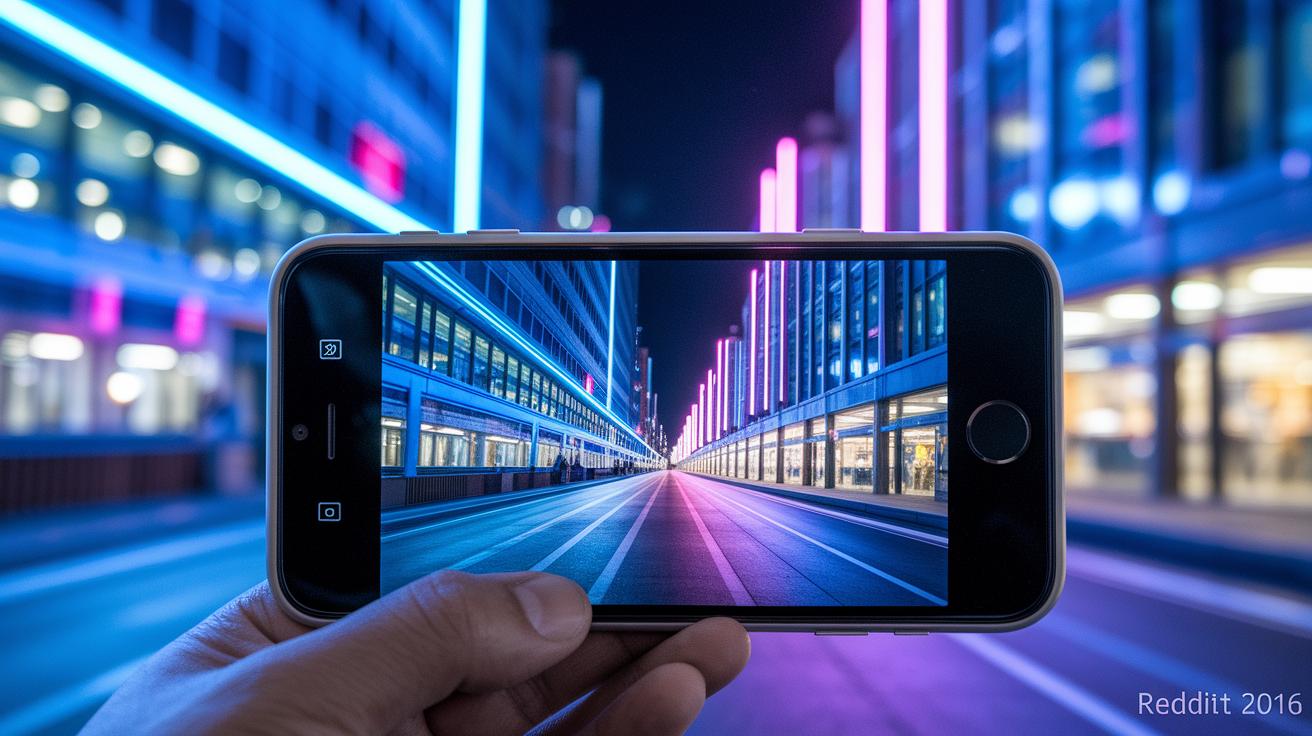
Computational photography is changing the way your smartphone snaps photos. It uses smart machine learning to blend several shots into one, improving the detail in both bright and dark areas. So whether you're out in the sun or in a dim room, your phone quickly balances the light and detail to give you the best shot possible. Combining multiple exposures means you get photos full of rich detail and less grain, almost like using a high-end camera.
But that's not all. Your smartphone also uses clever scene recognition to figure out what you're trying to capture, be it a portrait, a scenic landscape, or a tricky low-light setup, and then it tweaks the settings just right. These AI-powered techniques fine-tune every part of the photo process, from snapping the shot to producing the final image. With instant HDR processing, your device creates vivid, lifelike pictures without you needing to fuss over editing afterward. In other words, every photo comes out naturally optimized into a little work of art.
- Multi-exposure HDR merging
- AI-based denoising
- Auto white-balance and color correction
- Real-time filter application
- Scene detection and mode switching
- Depth mapping via neural networks
Enhanced Low-Light and Night Mode Capabilities in Mobile Camera Technology
New night modes now work by taking photos over several seconds and blending them together. They create images that burst with brightness and clarity even when it's really dark. Think about snapping a nighttime cityscape where neon signs and streetlights shine as clearly as they would under the sun. With smart noise reduction and super-sensitive sensors, every detail pops.
Flagship phones like the iPhone 14 Pro and Galaxy S23 Ultra make sure your shots look amazing by auto-tweaking the exposure settings. Their software keeps an eye on the shadows and highlights, making hidden colors come alive. It’s almost like the camera just gets the vibe of the scene, capturing rich details without you even trying. This breakthrough not only upgrades low-light photography but also sparks creative ideas in dim settings.
Video Recording and Stabilization Trends in Mobile Camera Technology
These days, smartphones let you shoot videos almost like a professional camera. They can record in 4K and even 8K at 30 to 60 frames per second, making every shot look crisp and movie-like. And with a blend of optical image stabilization (OIS, which physically moves parts inside the lens to counteract shake) and electronic image stabilization (EIS, which uses software to smooth out your footage), even the most active scenes come out looking clear and steady. It’s like turning your everyday moments into a visual story, whether you’re just capturing memories or crafting a mini film.
But here’s something even cooler. These stabilization systems do more than just basic smoothing. They use data from a gyroscope, kind of like a tiny internal compass, to instantly correct any jerky movements. So even if your hand slips or the scene changes suddenly, your video stays steady and smooth. It really helps you capture life in motion, no matter how unpredictable things get.
Then there are the cinematic modes. Ever thought about making a movie with your phone? These modes offer preset frame rates and color settings that give your videos a film-like feel. With these built-in options, you can tweak your footage right on your phone without needing extra software. It’s a simple way to make every video look polished and cinematic.
Future Directions in Mobile Camera Technology
Smartphone cameras are about to evolve in exciting ways. New sensor and lens innovations are setting the stage for sharper, faster, and more versatile photography. Think of it as an upgrade that not only brightens your shots but makes them more detailed, even in tricky light.
Next, picture multi-layer sensor stacks enhancing dynamic range and boosting light sensitivity. In other words, your photos could soon pop with life-like contrast and vivid detail. Meanwhile, innovative liquid-lens technology will let devices pack a variable focal length into an ultra-slim design. It’s like having a mini zoom lens in your pocket without any extra bulk.
Another cool development is sensor fusion imaging, which blends data from RGB, mono, and depth sensors to create images that are crystal clear with minimal noise. And then there’s the next-generation autofocus. With time-of-flight sensors teamed up with AI, focusing will become almost instantaneous, ideal for those fast-paced moments when every millisecond counts.
Plus, foldable optics are on the horizon. These will neatly integrate into the sleek profiles of future devices, helping you switch seamlessly from wide-angle landscapes to tight, detailed portraits. Overall, these breakthroughs are set to not only improve everyday photography but also unlock new creative possibilities for both casual users and professional photographers alike.
- Multi-layer sensor architectures
- Liquid and foldable lens modules
- AI-powered autofocus algorithms
- Integrated sensor fusion pipelines
- Ultra-compact variable-aperture systems
Final Words
In the action, we explored core innovations reshaping mobile imaging. Detailed sensor upgrades, multi-lens strategies, and computational photography techniques revealed a new level of clarity and versatility.
The blog covered everything from improved low-light performance to refined video stabilization. These exciting breakthroughs in smartphone camera design show how the latest trends in mobile camera technology are setting the stage for remarkable imaging experiences ahead.
FAQ
Q: What are the top camera phones in the world?
A: The top camera phones use advanced computational photography, high-resolution sensors, and optical innovations to rival DSLR images. They offer versatile, feature-rich systems ideal for dynamic, low-light photography.
Q: How does a DSLR quality camera phone compare to other camera mobiles?
A: A DSLR quality camera phone delivers professional-grade results with adaptive sensors and precision optics. It captures striking details and offers excellent low-light performance, making it a strong contender in mobile photography.
Q: What defines the latest mobile technology and trends in 2024?
A: The latest mobile technology centers on powerful processors, advanced sensors, and innovative AI features. This trend offers enhanced performance, next-gen connectivity, and cutting-edge camera systems for a superior user experience.
Q: What are the five types of mobile technology?
A: The five types of mobile technology generally include communication, computing, sensor-based, imaging, and wearable integration. They work together to power devices and deliver everyday digital experiences.
Q: What is the latest technology in cameras?
A: The latest camera technology integrates computational photography, multi-lens assemblies, and AI scene recognition to capture images with high dynamic range, clear details, and improved low-light performance.
Q: What is the future of mobile photography?
A: The future of mobile photography lies in smarter sensors, foldable optics, and enhanced AI. These innovations promise greater clarity, rapid autofocus, and versatile shooting modes for every capture.
Q: Which flagship mobile devices are leading with advanced camera systems?
A: Flagship models like the Galaxy S24 Ultra, Pixel 9 Pro XL, Xiaomi 14 Ultra, Pixel 8 Pro, iPhone 16 Pro Max, and OnePlus 12 showcase cutting-edge camera tech with robust sensors, powerful processors, and innovative designs setting high imaging standards.