"Business"
Structural and Flow Methodologies in Custom Water Feature Design
By Headlines Team
October 19, 2026
Field Notes
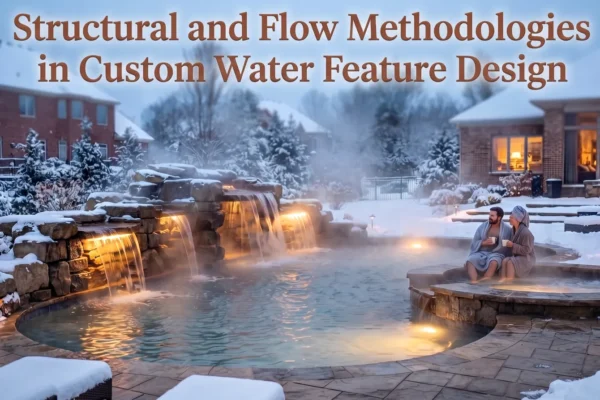
A swimming pool can serve as much more than a place to cool off during the summer. With the right design, it can become the centerpiece of an outdoor living space, combining visual appeal, soothing sounds, and practical features that make the backyard more enjoyable. Waterfalls, deck jets, bubblers, fountains, and integrated spillways can all change the character of a pool while creating a more personalized environment.
In Western New York, where homeowners experience warm summers and long, cold winters, incorporating water features requires thoughtful planning. Pool designers must consider the overall landscape, available space, equipment requirements, maintenance needs, and seasonal weather conditions. A feature that looks attractive in a design rendering must also function reliably once the pool is installed and operated.
Understanding how pool builders Buffalo NY incorporate water features can help homeowners make informed decisions before beginning a backyard project. From selecting the right feature to planning plumbing, lighting, and winterization, several design choices influence how well these additions perform.
Why Add Water Features to a Swimming Pool?
Water features can improve the appearance and atmosphere of a swimming pool by introducing movement, sound, and additional visual interest. Instead of presenting a single flat water surface, they create layers and focal points that make the entire outdoor space feel more thoughtfully designed.
The right feature depends on the homeowner’s priorities. Some people want a dramatic waterfall that resembles a natural rock formation, while others prefer a minimalist design with narrow streams of water flowing from modern fixtures.
Creating a More Relaxing Outdoor Environment
The sound of moving water can contribute to a calming backyard atmosphere. A gentle spillway or small fountain creates a softer background sound that may help make conversations and outdoor relaxation feel more secluded.
The effect depends on the feature’s design, water volume, and location. A large waterfall produces a different sound from a quiet bubbler, so homeowners should consider the intended atmosphere before selecting equipment.
Placement also matters. A water feature near a seating area may make the space feel more inviting, while one positioned too close to an outdoor dining area could make conversation difficult if the water is particularly loud.
Establishing a Visual Focal Point
A well-designed water feature can draw attention to a specific area of the pool. A raised stone wall with a cascading waterfall, for example, can become the primary architectural element of the backyard.
Smaller features can create visual interest without dominating the space. Deck jets introduce arcs of water, while bubblers create gentle movement in shallow areas. These options can work well when homeowners want a clean, contemporary design.
The goal is to make the feature feel connected to the pool rather than like an unrelated addition. Materials, colors, shapes, and surrounding landscaping should complement one another.
Personalizing the Pool Design
Water features offer flexibility because they can be adapted to different architectural styles and property sizes. A traditional backyard may suit a natural-looking waterfall with stone finishes, while a modern landscape may benefit from symmetrical water jets and geometric pool edges.
Homeowners can also combine features, provided the design remains balanced. For example, a raised spa with an integrated spillway might be paired with subtle lighting rather than several competing fountains.
A restrained design often makes it easier to maintain a cohesive outdoor environment.
Popular Water Features Used in Pool Designs
Before choosing a feature, homeowners should understand how the main options differ. Each creates a distinct appearance and may require different plumbing, equipment, installation work, and ongoing care.
Waterfalls and Cascading Features
Waterfalls are among the most recognizable pool additions. They can be constructed from natural stone, manufactured rock, masonry, or contemporary architectural materials.
A naturalistic waterfall may incorporate irregular surfaces and landscaping to create the appearance of water flowing through a rocky setting. A modern alternative might use a clean-edged opening in a raised wall, producing a smooth sheet of water that falls into the pool.
Waterfall designs require careful attention to water flow and splash patterns. If the flow is too strong, water may splash outside the pool and increase the need for refilling. If the receiving area is poorly designed, water may create excessive noise or disturb nearby seating areas.
The structure must also be engineered and constructed to handle the weight of the materials and the movement of water. Proper waterproofing and drainage are essential, especially when the feature is attached to a raised wall or another structure.
Deck Jets and Laminar Jets
Deck jets project streams of water from the pool deck toward the water. They are popular in contemporary designs because they create elegant arcs that can be arranged symmetrically or used to highlight particular areas.
Laminar jets are designed to produce smoother, more continuous streams under suitable operating conditions. They can create a polished appearance, especially when combined with lighting.
Both types of features depend on proper positioning, water pressure, and adjustment. Wind can affect the trajectory of exposed streams, potentially causing water to land outside the pool. Designers should account for the local environment and the distance between the jet and its landing point.
Deck jets also need to be integrated carefully into the surrounding hardscape. Their placement should not interfere with walkways, furniture, or other areas where people regularly move.
Bubblers and Shallow-Water Features
Bubblers release water from fixtures installed in shallow areas, creating small fountains or gentle mounds of water. They are often used on tanning ledges, sometimes called sun shelves, where swimmers can sit or relax in a few inches of water.
These features can add movement without requiring a large structure. Several bubblers can be installed together, or one can serve as a subtle accent in a smaller pool.
Because they are typically located in shallow areas, designers must consider how the fixtures affect the available space. The layout should leave enough room for lounging and safe movement.
Bubblers can also be paired with underwater lighting, although the lighting system must be selected and installed according to applicable pool electrical safety requirements.
Scuppers and Spillways
Scuppers are openings or decorative outlets that allow water to flow from a raised wall or structure into the pool. Spillways can perform a similar function, including when water flows from an elevated spa into the main swimming pool.
These features are useful for homeowners who want the visual effect of moving water without constructing a large waterfall. Their appearance can range from traditional stone outlets to sleek metal or masonry designs.
A spillway’s width, height, and water flow influence its appearance and sound. The receiving area must also be designed to handle the falling water without excessive splashing.
When a raised spa shares water with a pool, the plumbing and circulation design must account for the intended operating conditions of both bodies of water.
Fountains and Decorative Water Bowls
Fountains can be freestanding, integrated into a raised wall, or positioned as part of a larger landscape design. Decorative bowls that spill water into the pool can introduce a sculptural element while creating a gentle cascade.
These features can be particularly effective in formal outdoor spaces where symmetry and architectural details play an important role.
However, the additional structures need secure foundations and appropriate plumbing access. Materials should be suitable for outdoor exposure and should tolerate the seasonal conditions expected in the region.
How Pool Builders Plan Water Features During Design
Water features are most successful when they are included in the original pool design rather than added as an afterthought. Early planning allows the contractor to coordinate the pool structure, plumbing, electrical systems, surrounding surfaces, and equipment requirements.
Evaluating the Backyard Layout
The first step is understanding the property. Designers assess the available space, ground conditions, existing structures, drainage patterns, and relationship between the pool and the home.
They also consider how the homeowner intends to use the area. A family-focused backyard may need generous swimming space and clear sightlines, while an outdoor entertaining area may prioritize seating, lighting, and a visually striking feature.
The size of the feature should be proportionate to the pool. A massive waterfall can overwhelm a compact backyard, while a very small fountain may be difficult to appreciate beside a large pool.
Designers should also consider neighboring properties. The sound of a large waterfall or fountain may carry beyond the yard, so placement and operating hours can affect the experience of nearby residents.
Coordinating Plumbing and Water Flow
Water features need a reliable water supply and an appropriate return path. Depending on the design, the plumbing may connect to the pool’s circulation system or use a dedicated pump and circuit.
The required pump capacity depends on the feature’s flow rate, elevation, pipe dimensions, and hydraulic resistance. A raised waterfall generally requires different performance characteristics from a small bubbler.
Proper sizing helps the feature operate as intended without placing unnecessary demands on the equipment. It also helps avoid weak water flow, excessive pressure, or inefficient operation.
The design should include practical access to valves, pumps, and other components so that maintenance can be performed without unnecessary demolition.
Integrating Electrical Systems and Lighting
Lighting can make water features more noticeable after sunset. Underwater lights may illuminate the pool itself, while appropriately rated fixtures can highlight waterfalls, spillways, and surrounding architectural elements.
However, pool lighting requires particular care because electricity and water create serious safety risks. Equipment, bonding, grounding, protection devices, and installation methods must comply with applicable electrical codes and manufacturer instructions.
Homeowners should rely on qualified professionals for these installations rather than attempting to improvise electrical connections around the pool.
Lighting should also be coordinated with the broader landscape plan. Subtle illumination often creates a more comfortable atmosphere than excessively bright fixtures directed toward seating areas or neighboring properties.
Choosing Water Features for Buffalo’s Climate
Western New York’s climate makes seasonal planning an important part of pool construction. Warm weather creates opportunities to enjoy water features, but freezing temperatures can damage equipment and plumbing if systems are not properly prepared.
Planning for Freeze Protection
Water can expand as it freezes, placing pressure on pipes, fittings, valves, and other components. Water trapped in exposed plumbing or decorative structures may therefore cause damage during winter.
A pool builder should explain how each water feature will be winterized. Depending on the system, preparation may involve shutting down equipment, draining designated components, removing water from vulnerable lines, and following manufacturer-specific procedures.
Some features may have dedicated plumbing circuits that require different preparation from the main pool circulation system. A waterfall with an elevated reservoir, for example, may need particular attention to drainage and exposed connections.
Homeowners should request clear instructions before the swimming season ends and confirm which winterization services are included in their maintenance arrangement.
Selecting Durable Materials
Outdoor materials must withstand changing temperatures, moisture, sunlight, and routine exposure to pool water. The suitability of a particular stone, metal, coating, or manufactured finish depends on its composition and installation method.
Freeze-thaw resistance is especially important for masonry and stonework. Poorly selected materials or inadequate drainage can allow moisture to accumulate, increasing the risk of cracking or surface deterioration.
Metal components should also be suitable for their intended environment. Pool water chemistry can affect some materials, so the builder should confirm compatibility with the treatment system and maintenance routine.
Considering the Length of the Swimming Season
In Buffalo, many residential pools are used seasonally rather than throughout the entire year. Water features may therefore operate for only part of the year, while the associated equipment still requires protection during the off-season.
This makes simplicity and serviceability valuable design considerations. A feature that looks attractive but requires complicated seasonal maintenance may be less appealing than a simpler option that fits the homeowner’s routine.
The installation plan should also allow for safe access when equipment needs inspection or repair.
How Water Features Affect Pool Costs and Energy Use
Adding a water feature changes more than the appearance of a pool. It can affect the construction budget, electrical demand, water loss, and maintenance requirements.
The final cost depends on the feature’s size, materials, plumbing layout, equipment, and complexity of installation. A small bubbler may involve relatively limited construction, while a custom waterfall with a raised structure and integrated lighting can require considerably more work.
Understanding Installation Costs
The price of a water feature may include structural construction, plumbing, pumps, electrical work, finishes, controls, and labor. Some projects also require additional excavation or changes to the pool shell and surrounding deck.
Homeowners should ask for an itemized estimate that separates the feature from other pool components where practical. This makes it easier to understand what is included and compare proposals fairly.
It is also worth asking about future service requirements. A low initial price may not reflect the long-term cost of maintaining a complex feature or replacing specialized components.
Managing Energy Consumption
Water features use energy when pumps move water through their systems. The amount depends on pump efficiency, operating duration, flow requirements, and the design of the plumbing.
A dedicated pump can provide more control over when the feature operates. For example, the homeowner might run a waterfall while entertaining and switch it off during quieter periods.
Variable-speed pump technology may help reduce energy use in suitable applications, but the system must still provide the flow and pressure required by the feature. Equipment selection should be based on the hydraulic design rather than energy savings alone.
Accounting for Evaporation and Splashing
Moving water can increase water loss through evaporation and splashing, particularly when the feature creates a high stream or broad waterfall. Wind can make these effects more pronounced.
Water loss means the pool may require more frequent refilling, and additional water may affect chemical balance. A feature designed to minimize unnecessary splashing can help manage these issues.
Homeowners should also ask whether the feature changes the pool’s water level requirements or affects the operation of an automatic water-level control system.
Maintenance Requirements for Pool Water Features
Regular maintenance helps water features remain attractive and function correctly. The work required depends on the design, materials, water chemistry, and frequency of use.
Cleaning Surfaces and Outlets
Mineral deposits, algae, debris, and other buildup can affect the appearance of waterfalls, spillways, and fountains. Small outlets may become partially blocked, causing uneven flow or unwanted splashing.
Routine inspections can identify these problems before they become more serious. Cleaning methods should match the material and follow the manufacturer’s recommendations to avoid damaging finishes.
Homeowners should avoid using harsh chemicals or abrasive tools without confirming that they are suitable for the surface and compatible with the pool environment.
Maintaining Pumps and Plumbing
Pumps, valves, filters, and plumbing connections should be inspected as part of the pool’s broader maintenance routine. Unusual noises, leaks, inconsistent flow, or frequent equipment shutdowns may indicate a problem that needs professional attention.
A well-designed system should provide access to important components, making inspection and service easier.
If a feature’s performance changes, the cause may involve more than the decorative outlet. The pump, water level, filter condition, or plumbing configuration may also need to be checked.
Monitoring Water Chemistry
Water features circulate pool water through additional surfaces and equipment. Maintaining appropriate water chemistry helps protect the pool, support sanitation, and reduce the risk of scale or corrosion.
The correct chemical balance depends on the pool system, sanitizing method, and manufacturer recommendations. Regular testing is important, particularly when the feature is used frequently or water loss requires repeated refilling.
Homeowners should follow a consistent maintenance schedule rather than waiting until the water looks cloudy or the feature develops visible deposits.
Questions to Ask Before Adding a Water Feature
Before approving a design, homeowners should discuss several practical details with the pool contractor.
First, ask which features are suitable for the pool’s size and intended use. A feature should complement the layout rather than reduce important swimming space or create unnecessary complexity.
Second, request an explanation of the plumbing and equipment requirements. Understanding whether the feature needs a separate pump, additional electrical work, or specialized controls helps establish the full scope of the project.
Third, discuss seasonal preparation. In a climate with freezing winters, the contractor should explain exactly how the feature will be drained or otherwise protected.
Finally, ask about warranty coverage, routine maintenance, expected energy use, and the availability of replacement parts. These details help homeowners assess the long-term practicality of the design.
When evaluating pool builders Buffalo NY homeowners can work with, it is useful to compare experience with water features specifically, not just general pool installation. Ask to see examples of completed projects and find out how the contractor handles drainage, winterization, equipment access, and service after installation.
FAQs
What is the most popular water feature for a residential pool?
Waterfalls, deck jets, bubblers, and spillways are common options. The best choice depends on the pool’s layout, the homeowner’s style preferences, and the desired sound and visual effect.
Can water features be added to an existing swimming pool?
Yes, many features can be retrofitted to existing pools. However, feasibility depends on the pool structure, available plumbing, equipment capacity, electrical requirements, and space around the pool. Some additions may require substantial modifications.
Do water features increase pool maintenance?
Generally, they add some maintenance because they introduce additional outlets, surfaces, pumps, or plumbing components. The amount of extra work depends on the feature’s complexity and how frequently it operates.
Are pool water features suitable for Buffalo winters?
They can be suitable when designed and winterized correctly. Exposed plumbing, pumps, and water-holding structures need appropriate protection from freezing conditions. Follow the system manufacturer’s instructions and have vulnerable components prepared before winter.
Do water features use a lot of electricity?
Energy use varies. A small bubbler may require less pumping capacity than a large waterfall, but actual consumption depends on equipment efficiency, water flow, elevation, and operating time. A properly designed system can allow features to operate independently when needed.
Can water features be combined with pool lighting?
Yes. Underwater lighting and appropriately rated landscape fixtures can highlight moving water and improve the nighttime appearance of the pool area. Electrical installation must follow applicable codes and safety requirements.
How do I choose a pool builder for a water feature project?
Look for relevant experience, appropriate licensing and insurance, clear written proposals, examples of completed projects, and a practical plan for equipment access and winterization. Ask specifically how the proposed feature will be maintained and protected during freezing weather.
Conclusion
Water features can transform an ordinary swimming pool into a more distinctive outdoor environment. From dramatic waterfalls and architectural spillways to subtle bubblers and elegant deck jets, these additions allow homeowners to customize the appearance, sound, and overall atmosphere of their backyard.
Successful integration begins with careful planning. The feature must suit the pool’s proportions, work with the plumbing and circulation system, complement the surrounding landscape, and remain accessible for maintenance. In Buffalo, seasonal weather and freeze protection also deserve particular attention.
By discussing design options, operating costs, maintenance requirements, and winterization before construction begins, homeowners can choose features that fit their preferences and practical needs. Working with an experienced pool contractor helps ensure that the finished design is not only visually appealing but also functional, durable, and easier to care for over time.