

Ever wondered why your shiny new flagship phone still tops out around 5,000 mAh? It isn’t for lack of engineering ambition. A little-known U.S. regulation—49 CFR 173.185—caps any single lithium-ion cell shipped by air at 20 watt-hours. That ceiling quietly dictates how big Apple, Samsung, Google and the rest can go without facing freight nightmares and insurance headaches. This story unpacks the rule, then tours every major 2025 flagship to show how each brand squeezes performance, longevity and fast-charge magic out of a legally limited power budget.
Why U.S. Regulation Caps Battery Size
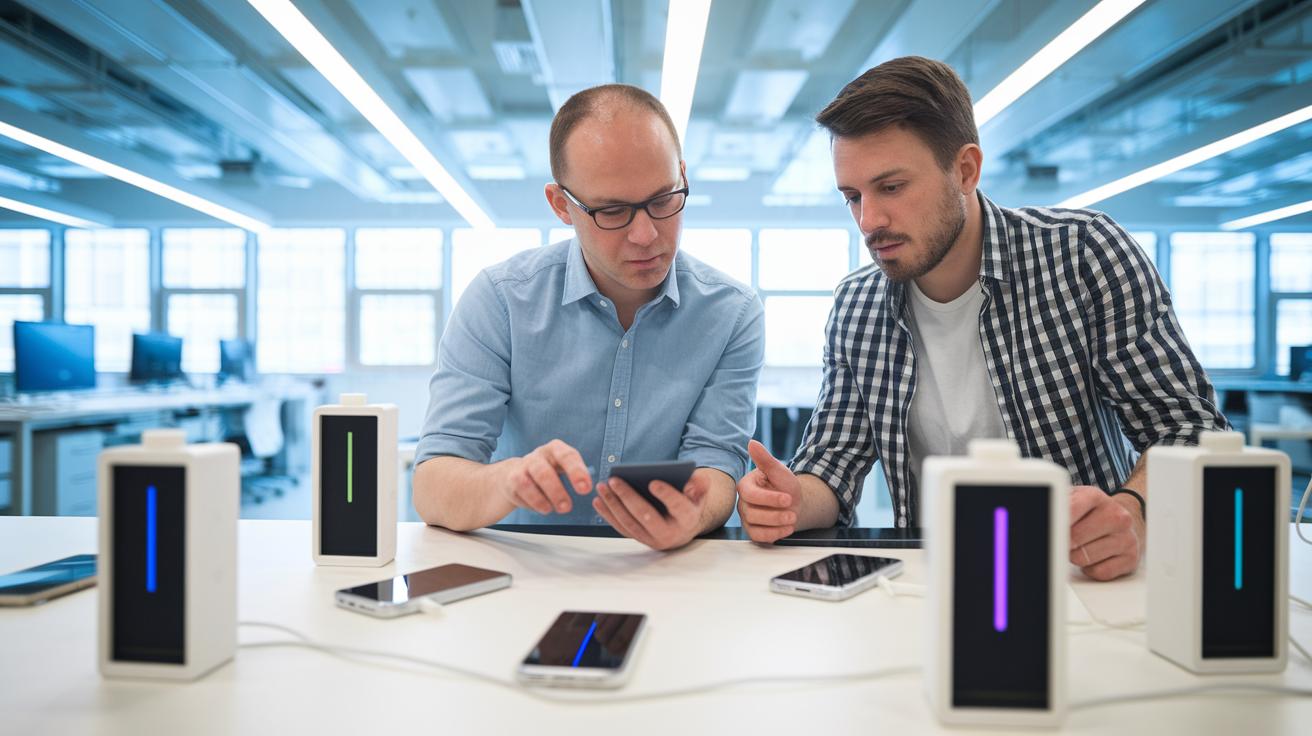
Most smartphones ship to retailers and consumers by air, so they must obey 49 CFR 173.185. The clause limits any individual lithium-ion cell to 20 watt-hours, roughly 5,000 mAh at today’s 3.8-3.9 volt chemistry. Go bigger and the pack must be declared “hazardous,” triggering costly cargo restrictions and slower ground or sea shipping. For global brands chasing slim margins and fast launches, that’s a non-starter. Instead, engineers chase efficiency: denser silicon-carbon anodes, smarter power management, adaptive refresh displays and heat-spreading chassis. In other words, the legal limit doesn’t just restrain size; it drives the entire ecosystem toward software-hardware battery optimization.
Apple: Efficiency Over Watt-Hours
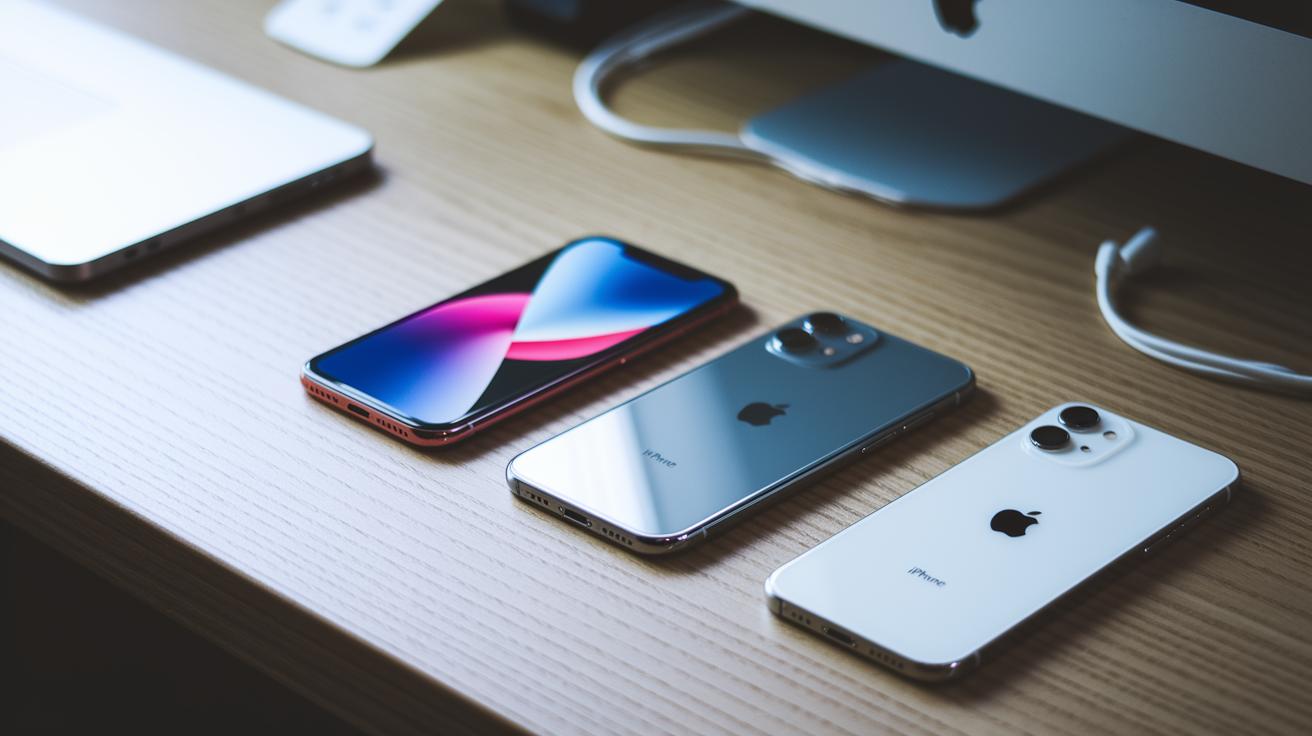
Cupertino’s iPhone 16 trio lands between 3,355 mAh and 4,702 mAh, translating to 12.8–17.9 Wh, comfortably under the cap. Apple leans on its in-house A-series silicon and iOS power scheduling to deliver all-day endurance without mega-cells. Smaller packs keep weight down, allow tighter internal packaging for cameras and haptics, and simplify thermal control. MagSafe 2.0’s 20-W wireless top-ups, plus rumored stacked-cell tech, ensure stamina without flirting with regulatory headaches. The takeaway: Apple would rather optimize every watt used than fight for extra watts stored.
Samsung: Walking the 20-Wh Tightrope

Galaxy S25 Ultra’s 5,000 mAh cell pushes 19.4 Wh, millimeters from the legal ceiling. Samsung balances that brinkmanship with advanced vapor-chamber cooling and 45-W wired charging, shrinking downtime to under 30 minutes. Foldables complicate the math: Z Fold 6 splits its roughly 4,400 mAh total into two sub-cells across the hinge, each under 20 Wh, satisfying the rule while preserving thinness. Expect Samsung’s future gains to come from new stacked-electrode packaging and AI-driven power profiling, not bigger raw capacity.
Google Pixel: Big, But Just Small Enough

Pixel 9 Pro XL headlines at 5,100 mAh (≈19.8 Wh), nudging the compliance ceiling. Google bets on its Tensor G4’s custom power islands and AI-adaptive battery features, which learn user habits to hibernate seldom-used apps. Android 15’s per-app freeze further stretches runtime without breaching the 20-Wh wall. An all-new silicon-graphite blend claims higher charge cycles, letting Google promise long-term health despite charging to 100 percent nightly, an experience goal that raw capacity alone couldn’t guarantee.
Motorola: Flipping the Numbers
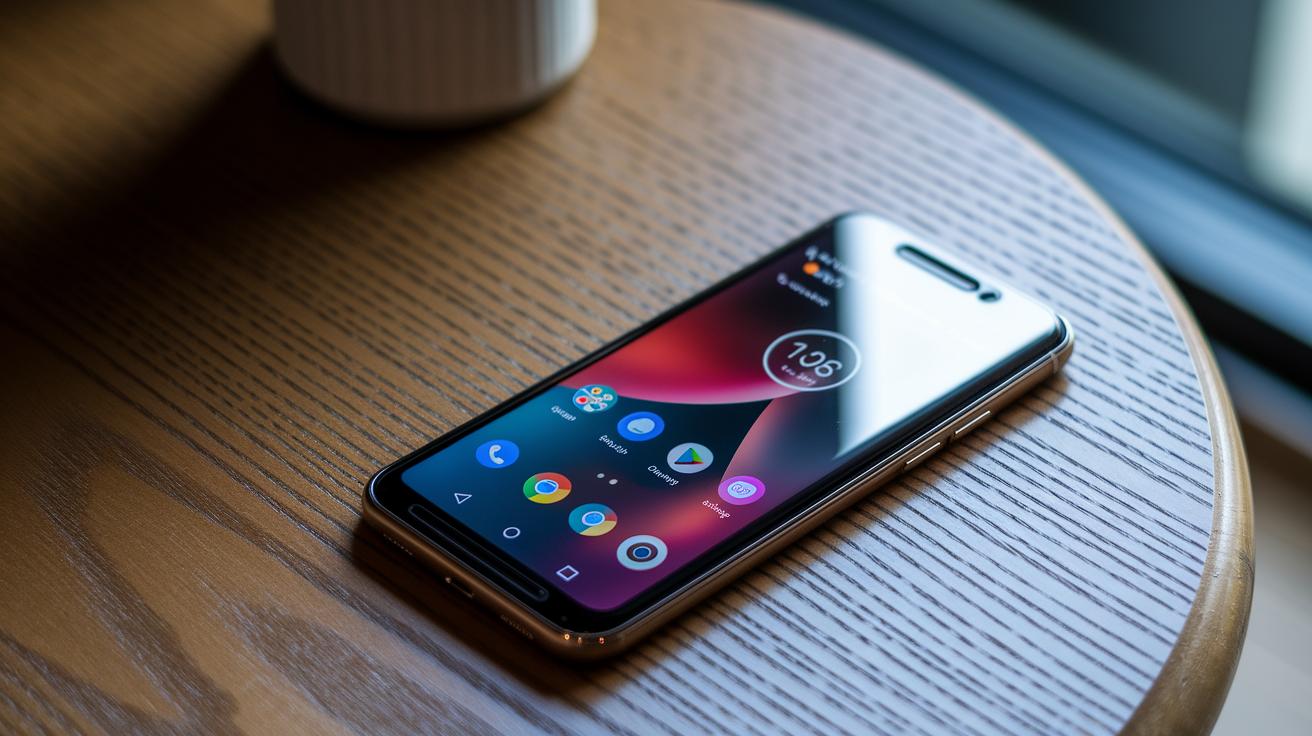
Razr Ultra’s 4,700 mAh pack equals roughly 18.1 Wh, sitting safely below the threshold while fueling a 165 Hz foldable OLED. Motorola compensates with TurboPower 68-W wired and 15-W wireless charging, plus a low-power Quick View screen that handles notifications without waking the main display. On the candy-bar side, Edge 50 Ultra’s 4,400 mAh keeps the chassis slender and heat manageable. Motorola’s strategy is clear: leverage super-fast charging and secondary screens rather than chase verboten watt-hours.
OnePlus: Splitting Cells to Beat the Rule
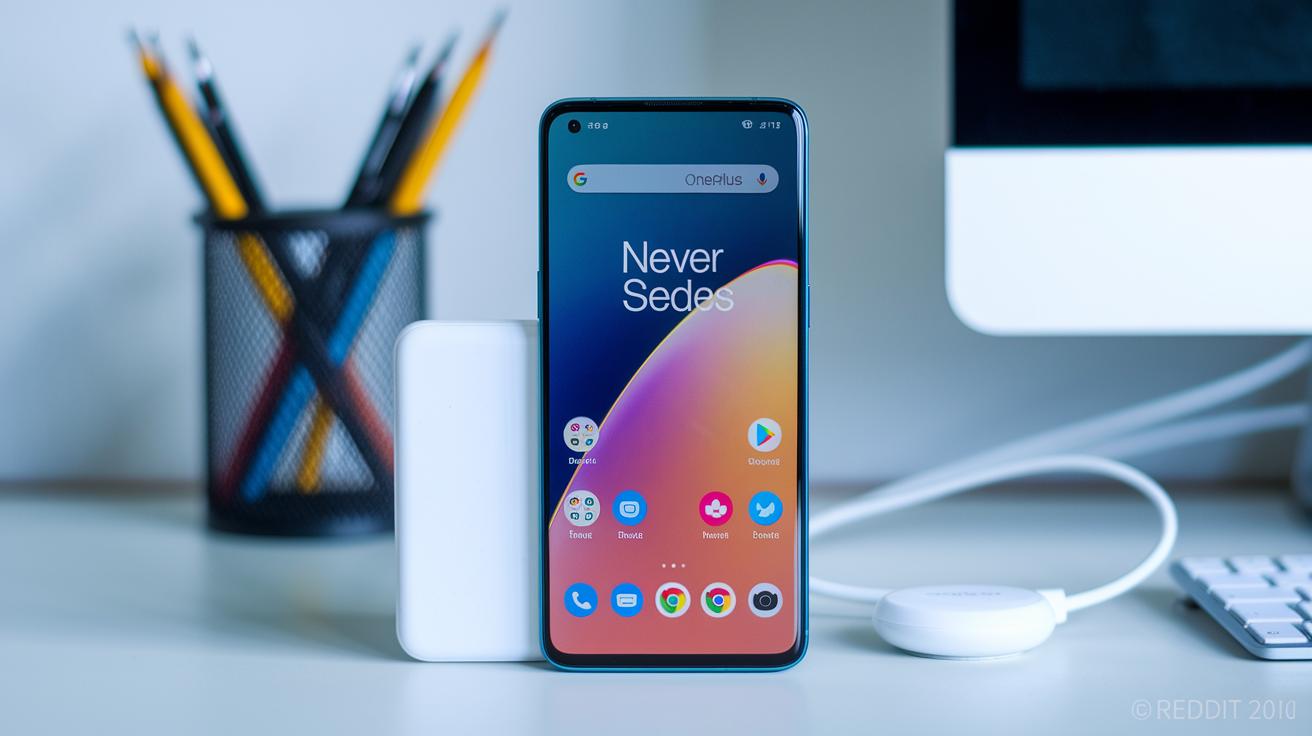
The OnePlus 13 flaunts a headline-grabbing 6,000 mAh total, but the secret is a dual-cell layout, two 3,000 mAh cells wired in parallel, each under 20 Wh. That design sidesteps the regulation, doubles peak charging current and cools faster during 100-W SUPERVOOC blasts. It also lets OnePlus keep the handset astonishingly slim. The trade-off? Slightly more complex battery management circuitry and potentially higher replacement costs. Still, it’s the cleverest legal hack in the 2025 flagship field.
Sony: Staying Under the Radar

Sony’s Xperia 1 VII sticks to a 5,000 mAh, 19.3 Wh pack, trusting its 4K OLED’s LTPO magic and creator-centric software to lure buyers. The company prioritizes balanced weight for gimbal-style shooting, heat dissipation for 4K/120 fps video, and long-term battery health via 80 percent charge caps overnight. By refusing to chase the biggest numbers, or the bleeding regulatory edge, Sony offers predictable endurance for photographers who value consistent thermals over headline capacity.