Technology
Future-Proofing Your QA Department: Metrology Hardware Trends to Watch
By News Edition
May 18, 2026
Field Notes
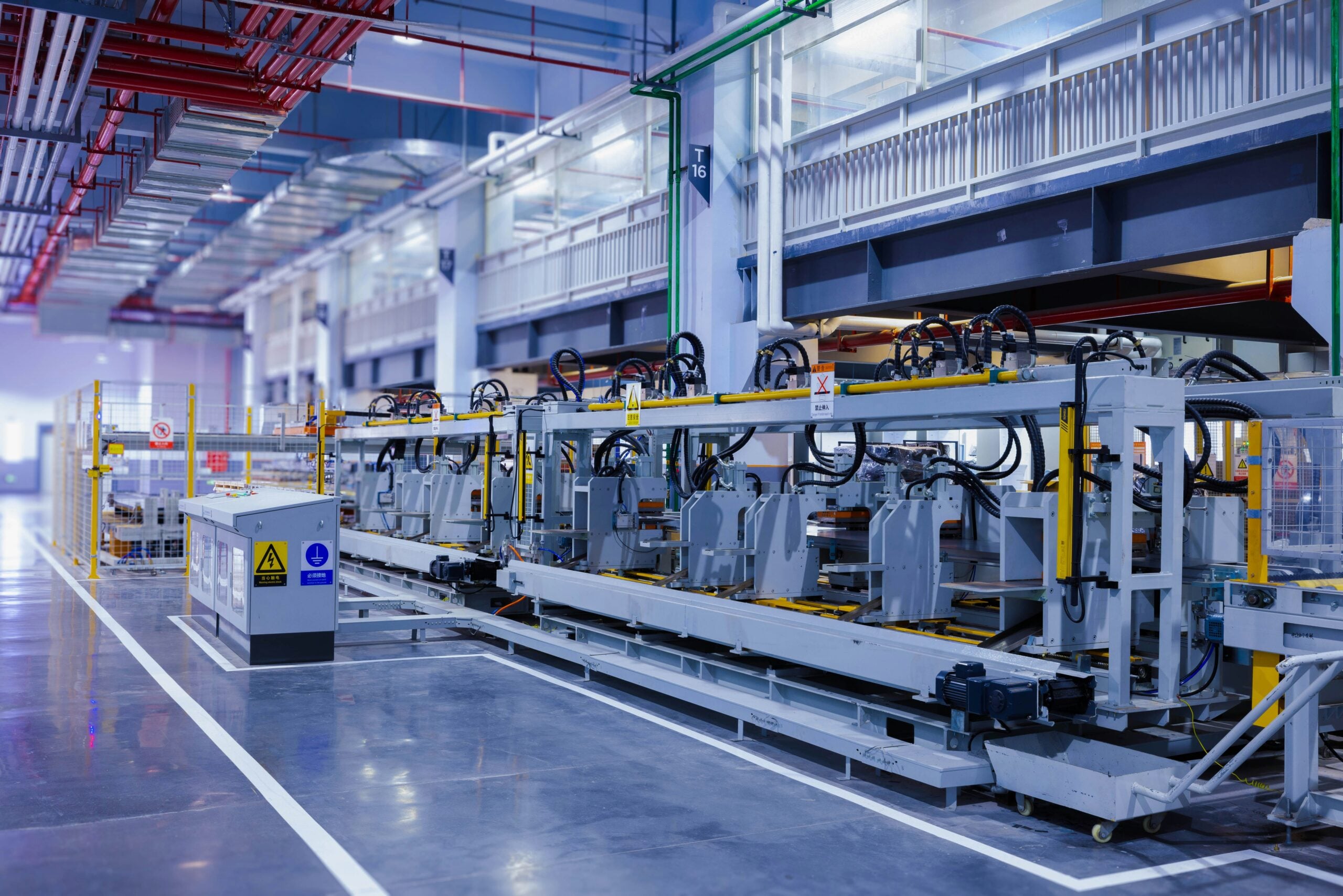
Manufacturing tolerances are tightening every year. Buyers expect perfection, and they want it delivered faster than ever before. Quality assurance teams often feel squeezed between these rising expectations and the reality of their current inspection bandwidth. To keep up, plant managers have to look beyond just updating their software dashboards or trying to hire more staff in a tight labor market. The physical tools on the production floor need a forward-looking strategy.
Upgrading your metrology equipment is a highly practical way to build a quality control department capable of handling the demands of next year’s production runs. Let’s look at the specific hardware trends reshaping how forward-thinking shops measure their parts and maintain their competitive edge.
Moving Hardware to the Shop Floor
For decades, the standard procedure involved taking a machined part off the production line, carrying it into a temperature-controlled metrology lab, and letting it sit so the material could acclimate to the room temperature. Only then could the inspection truly begin. That waiting period creates a severe bottleneck that modern facilities simply can’t afford.
Today, hardware is moving out of the lab and directly next to the CNC machines. Manufacturers are investing in shop-floor coordinate measuring machines built specifically for unpredictable environments. These ruggedized units feature advanced thermal compensation, sealed bearings to keep out coolant mist, and built-in vibration dampening. Bringing the measurement directly to the spindle means operators catch dimensional errors instantly, allowing them to adjust their offsets before a bad batch of parts is ever produced.
The Rise of Multi-Sensor Systems
A standard touch probe is highly reliable, but relying on just one measurement method limits a shop’s flexibility. Modern QA departments are outfitting their machines with multi-sensor capabilities to handle a wider variety of jobs.
This means a single machine setup can utilize a traditional tactile probe to verify a deep, tight-tolerance bore, and then automatically swap to a laser scanner to sweep the complex, organic surface geometry of a medical implant in a matter of seconds. Hardware setups that accommodate quick-change racks for different sensor types allow a shop to tackle aerospace, medical, and automotive components without needing to purchase entirely separate machines for each specific contract. It maximizes the floor space and the utility of the machine.
Robotic Integration and Automated Handling
A highly accurate CMM isn’t much help if it spends half the shift sitting idle waiting for an operator to load the next part. The manufacturing skills gap is a real challenge, and finding experienced QA technicians isn’t getting any easier.
To bridge this labor gap, facilities are integrating robotic loaders and pallet systems directly with their metrology hardware. Collaborative robots, often called cobots, can pick finished parts straight off a conveyor belt, place them carefully onto the inspection table, and trigger the measurement program. This level of hardware integration turns your inspection process into a continuous, self-sustaining loop. It allows shifts to run seamlessly through the night, maintaining strict quality control without requiring a human technician to stand by the machine.
Intelligent and Self-Monitoring Components
Hardware is getting much smarter. We aren’t just talking about the main computer processors; the individual components interacting with your parts are now capable of reporting their own health status.
Advanced probe heads and styli are hitting the market with built-in sensors that track usage cycles, impact history, and subtle calibration drift over time. Instead of guessing when a probe might fail, or worse, waiting for a bad reading to ruin a high-value part, the hardware tells your team exactly when it needs replacement. This predictive maintenance approach saves facilities money and keeps the inspection queue moving predictably. It removes the guesswork from hardware maintenance and ensures your readings are always based on sound, uncompromised touchpoints.
Strategic Hardware Retrofitting
Future-proofing your department doesn’t always require throwing out your current machines and buying brand-new systems. Granite bases and sturdy CMM frames are built to last for decades. The components that actually become obsolete are the controllers, the probe heads, and the sensors.
One of the smartest trends in metrology right now is strategic retrofitting. By keeping the core frame of the machine and upgrading the moving parts, shops can achieve state-of-the-art speeds and multi-sensor capabilities at a fraction of the cost of a new machine. Upgrading a legacy machine with a modern 5-axis scanning head instantly breathes new life into an old asset, expanding your department’s capabilities without breaking the annual budget.
Investing in Long-Term Precision
Keeping your competitive edge means your quality assurance department needs to evolve alongside the machines on your production floor. While software updates can happen with the click of a button, physical hardware requires careful, strategic investment. By moving inspections closer to the machine tool, embracing multi-sensor flexibility, utilizing smart components, and integrating automation, you equip your facility to handle whatever tight tolerances the industry demands next. Quality isn’t just a final step in the process; it is the foundation of your manufacturing reputation. Ensure your hardware reflects that priority.