

Bored of deciphering battery specs? The headline numbers rarely tell the full story. Silicon-carbon (Si/C) batteries don’t just promise headline-grabbing capacities, they keep delivering that capacity through far more charge cycles than conventional lithium-ion packs. While a standard Li-ion phone battery usually drops to 80 % of its rated size after roughly 1,000 full charge cycles, Si/C cells can sail past 1,600 before hitting the same milestone. Even when their health-percentage reading looks lower on paper, they generally still hold more real milliamp-hours. Smaller cells also force more frequent top-ups, compounding ageing. Here’s how the numbers—and the chemistry—shake out.
Scenario A: Big Numbers After 1,000 Cycles
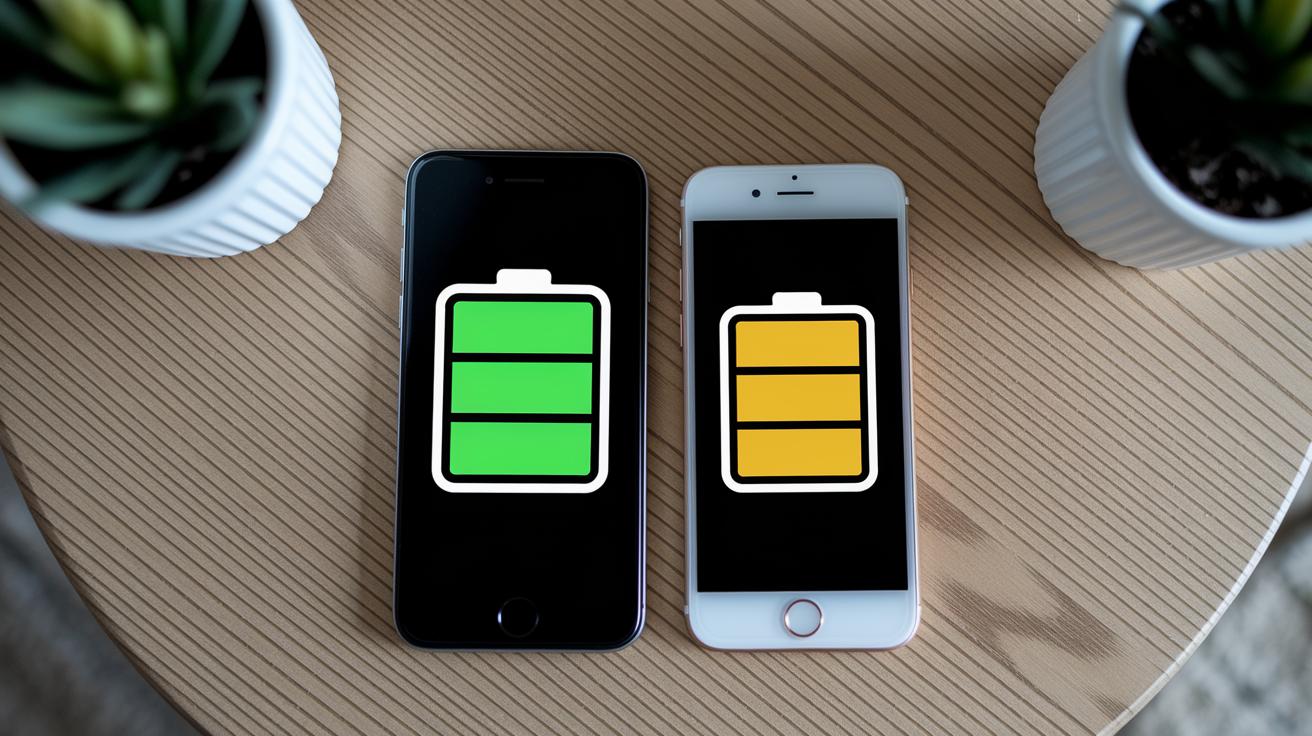
Imagine two handsets launched on the same day. Phone A hides a chunky 6,000 mAh silicon-carbon battery, while Phone B relies on a 4,500 mAh conventional lithium-ion pack. Fast-forward through exactly 1,000 full charge cycles, roughly three years for a heavy user. Lab tests show Phone A has drifted down to 80 % health, whereas Phone B still reads 90 %. Sounds like a win for the smaller pack, right? Not when you translate percentages into real capacity. Phone A still delivers a healthy 4,800 mAh, while Phone B can only muster 3,600 mAh. In raw usable energy, silicon-carbon is comfortably ahead.
Scenario B: When Bigger Means Fewer Charges
Now swap the calendar for daily reality. Because Phone A starts with 33 % more juice, it naturally stays away from the charger longer. Brands X and Y equip both phones with identical screens, processors and software tuning, so endurance differences stem purely from battery tech. Phone A’s owners typically plug in every 36 hours, whereas Phone B crowds the socket nightly. Over the same span Phone A racks up many fewer charge cycles, delaying the ageing clock even further. The result? By the time Phone B has burned through a thousand charges, Phone A might only be halfway there, and still ahead on capacity.
Why Cycle Counts Can Mislead
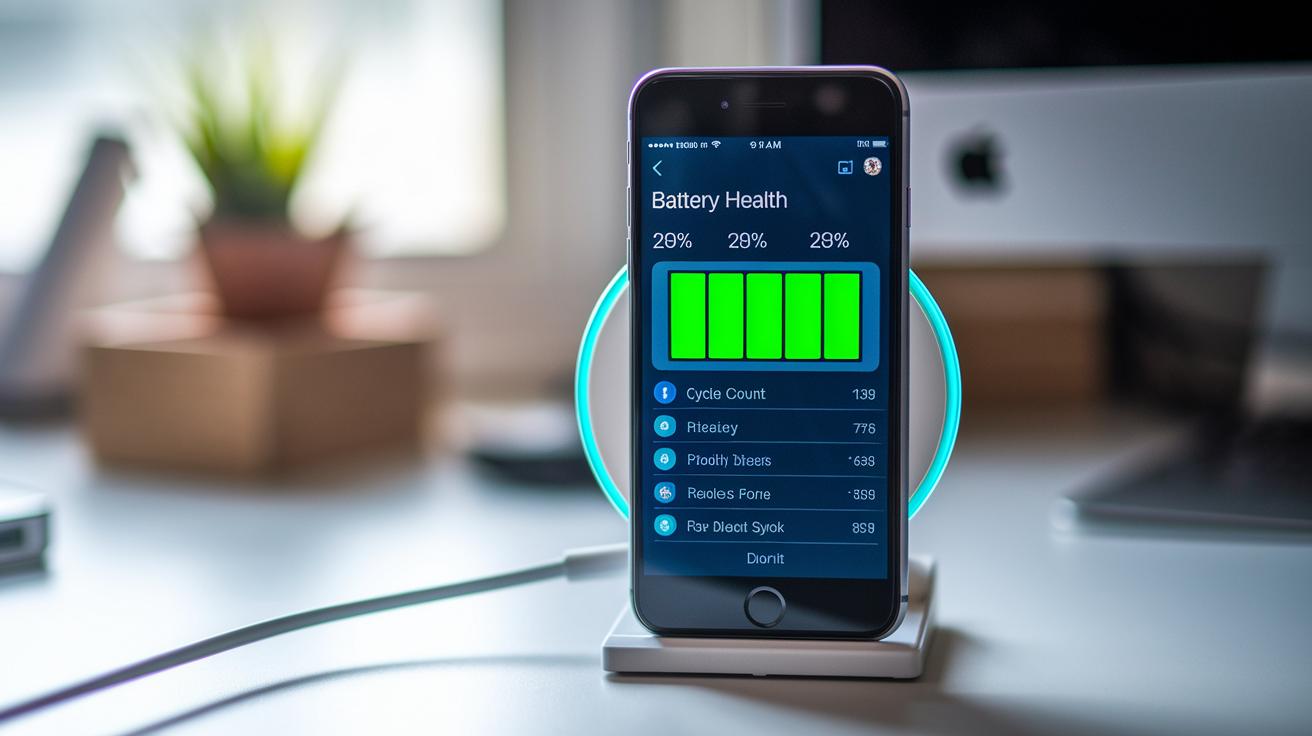
Battery-health apps love to quote raw cycle counts, yet the figure hides how often you actually need to recharge. Smaller batteries force shallow but constant top-ups, sometimes two or three times a day if you stream or game heavily. Each 0–100 % equivalent adds to the cycle tally, accelerating chemical wear. A larger Si/C pack cushions that damage by stretching the same workload over a bigger reservoir. Even partial charges count toward the total: five 20 % boosts equal one full cycle. So when someone tells you their phone still sits at 90 % health, ask how many milliamp-hours that really represents, and how often they charge.
Inside the Chemistry: Silicon Meets Carbon
Traditional lithium-ion anodes use graphite alone to host lithium ions. Swap some of that graphite for silicon and you unlock a material that can hold ten times more lithium per gram. The trade-off, historically, is that silicon swells and contracts during charging, cracking the electrode. Modern Si/C designs blend nano-structured silicon with resilient carbon matrices, absorbing stress and dramatically improving life span. Because silicon stores more energy in the same volume, manufacturers can offer either slimmer phones or bigger capacities without upsizing the chassis. Add better thermal performance and faster-charging tolerance, and you have a chemistry tailor-made for power-hungry 5G devices.
Health Percentage vs. Usable Capacity
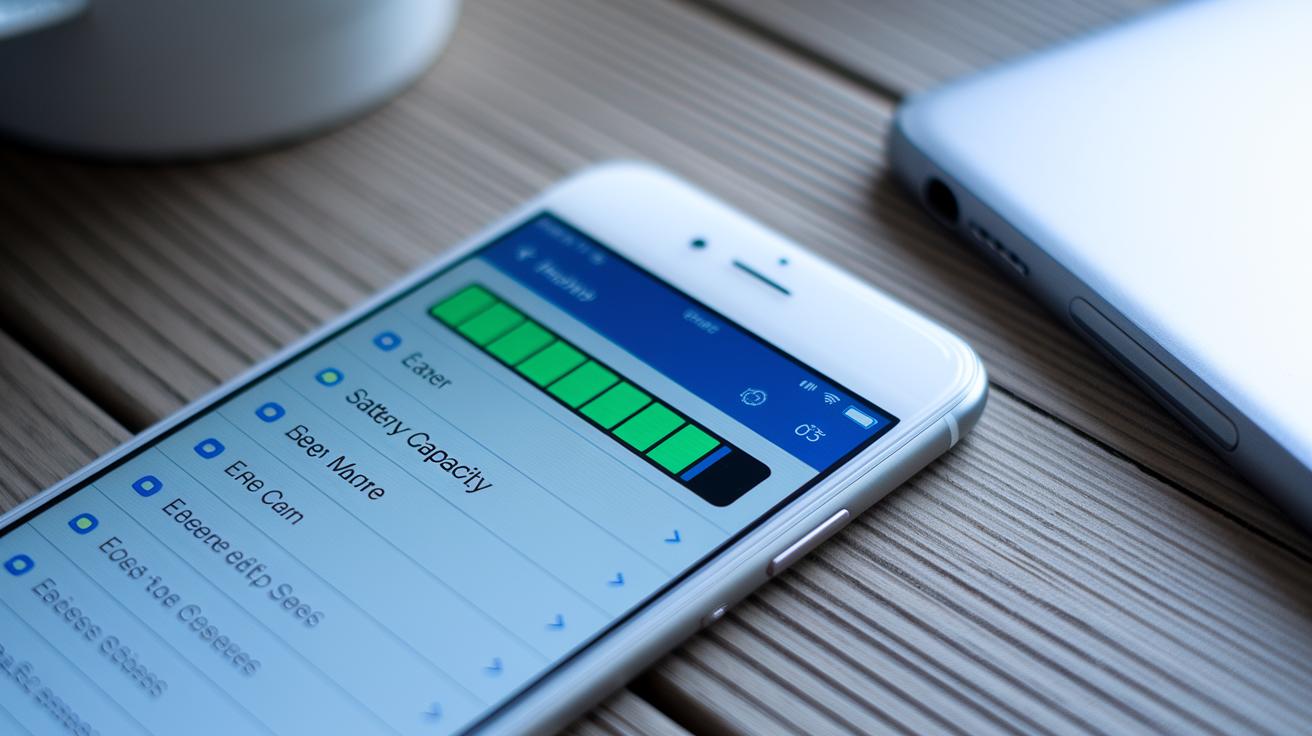
A phone’s settings menu often displays a ‘Maximum Capacity’ figure that many people treat as gospel. Yet that single percentage lumps together multiple factors: factory calibration, software safeguards and the manufacturer’s chosen end-of-life threshold. Silicon-carbon batteries may show a lower percentage simply because the system was tuned conservatively, not because the cell is dying. What matters is the absolute capacity you still receive per charge. In our earlier scenarios, 80 % of 6,000 mAh remains far more valuable than 90 % of 4,500 mAh. Next time you compare spec sheets, multiply the two numbers, rated size and expected health, to understand real-world endurance.
The Verdict: Silicon-Carbon Takes the Crown
Add the maths and the chemistry together and the conclusion is hard to ignore: silicon-carbon batteries currently outclass conventional lithium-ion in every metric that matters to phone owners, time between charges, long-term capacity and total life span. The only area where legacy tech appears better is the superficial health percentage after an arbitrary number of cycles, a metric that loses context when capacities differ. Until solid-state cells exit the lab, Si/C is today’s most practical leap forward. If a phone maker skimps on battery size or chemistry, call it what it is, a bad decision, not a feature worth defending.