

Ever noticed how your smartphone is becoming more than just a way to chat? In the last quarter of 2024, about 331.7 million devices were sold, continuing a steady rise over six quarters. And here's something cool, Apple now boasts nearly one in every four users worldwide, with Samsung not far behind. It seems like people are really after phones that mix eye-catching design with solid performance. In this post, we break down these trends and explore what they could mean for your next tech upgrade.
smartphone market share Soars with Clear Trends
In the fourth quarter of 2024, about 331.7 million smartphones were shipped worldwide. That’s a 2.4% increase from last year and marks six quarters in a row of steady growth.
More than one in four global users now picks an Apple device, giving the brand a 28.38% market share as of October 2024. In other words, imagine holding a phone that one out of every four people chooses, it really shows how strong the brand’s appeal and performance are.
Apple and Samsung continue to lead the charge, driving market expansion as new consumer trends and tech innovations push the limits of what smartphones can do. Every surge in shipments highlights our ever-growing need for devices that blend effortlessly into daily life.
Looking ahead, it’s clear that this momentum isn’t slowing down. As connectivity and design keep improving, the smartphone world will keep evolving, setting fresh standards that shape our modern, connected lifestyle.
US Smartphone Market Share Breakdown
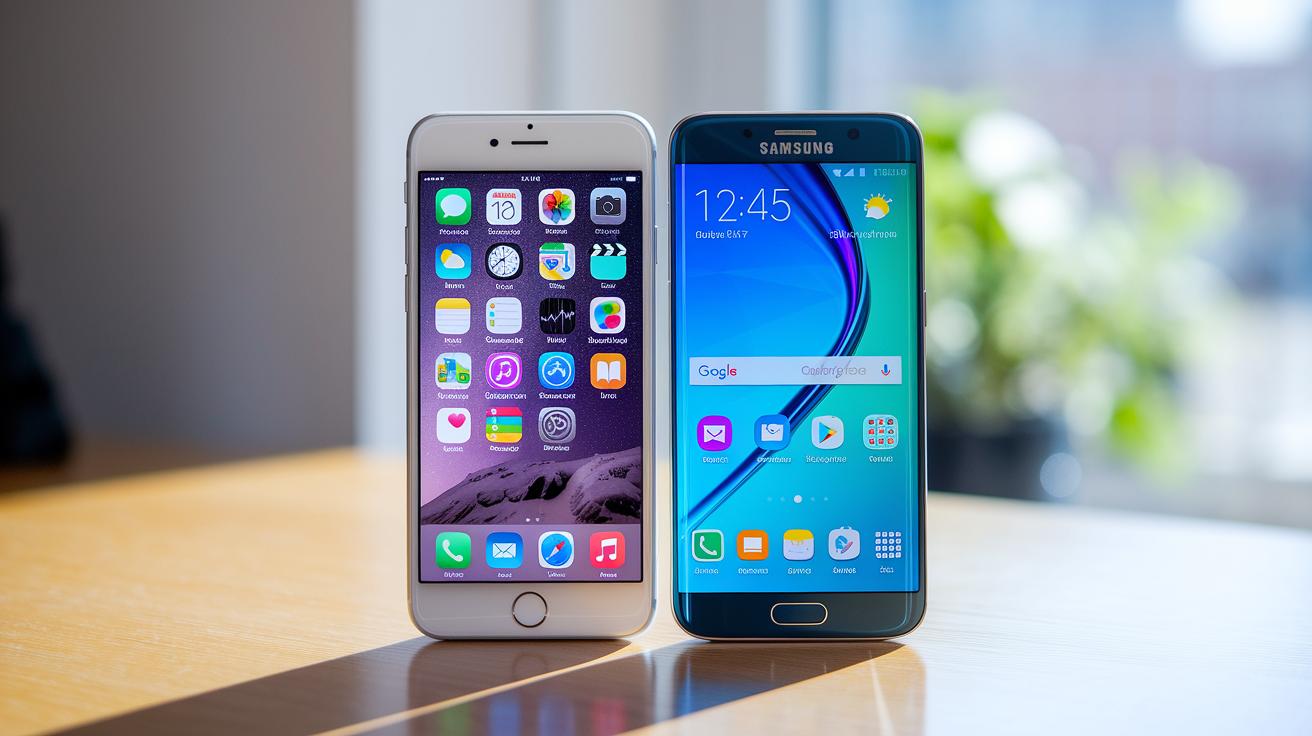
In the first quarter of 2024, Apple held a solid 61.26% of the US smartphone market. This is just a tiny dip from its 2023 peak at 62%, still showing that it remains the go-to choice, kind of like that favorite app that never loses its magic.
Samsung came in next with a 22.63% share, which is about 6.84% lower than its high of 29.47% last year. This drop might hint at changes in what buyers expect from their smartphones or adjustments in consumer habits. Together, Apple and Samsung account for a combined 83.57% of the US market, underlining how dominant these two brands are in shaping what gadgets get our attention.
Meanwhile, Motorola held steady at 4.16%, proving that its loyal following under Lenovo's leadership since 2014 is still going strong. Google, on the other hand, slipped to a 2.40% share, just a small 0.16% drop from before, which suggests the tech giant is making careful tweaks to its approach. And then there's LG, which now only represents 0.66% of the market after stepping away from smartphone production back in 2021.
These market shifts show just how dynamic the US tech scene is, with each brand adjusting to keep up with ever-evolving trends and consumer demands.
Historic Evolution of Smartphone Market Share
Apple has secured more than half of the US market since 2011 by offering a smooth and dependable experience that keeps customers coming back. Samsung, on the other hand, has risen dramatically, from a modest 5.27% share in 2010 to nearly 27% in 2023. And get this: when the Galaxy S5 launched in 2014, it flipped the script for Samsung, turning the brand from a relative unknown into a household name almost overnight.
Globally, the trend is just as steady. Over the six straight quarters ending in Q4 2024, smartphone shipments increased by 2.4% compared to 2023. This rise shows that people everywhere are eager for new devices packed with cutting-edge features and improved performance. It’s much like watching a long-term sports rivalry evolve, where Samsung’s underdog story builds traction against Apple’s steady, trusted record. Yearly market reviews remind us that blending innovation with solid brand trust is what truly shapes the smartphone world.
Key Drivers Impacting Smartphone Market Share Dynamics

Smartphone tech is evolving at a breakneck pace, and it’s changing the rules of the game. More people around the world are using smartphones, which means more mobile sales and a big push for real-time digital marketing. New upgrades like 5G rollouts and better chipsets are giving devices a serious boost in speed and performance, drawing in buyers who want nothing less than top-notch connectivity and cool new features. When 5G first hit the scene, many users said the speed felt almost magical!
Consumer tastes are shifting too. Shoppers are leaning toward phones with easy-to-use interfaces and strong features, which is pushing brands to keep innovating. Plus, the increase in distribution channels means even small markets can get the latest models. This mix of advanced tech, changing user needs, and smarter sales strategies is creating a ripple effect around the globe. Experts expect these trends to keep driving solid mobile sales growth in the years ahead. For more details on what’s fueling these trends, check out factors driving smartphone market trends 2024.
2024–2025 Smartphone Market Share Forecast and Outlook
Tech trends in 2025 are set to change how we use our smartphones. New display tech promises brighter, energy-saving screens that might even flex or roll. Imagine holding a phone that curves around your hand, blending cool style with smart function.
Next-gen chipsets are on the rise too. They’ll boost AI smarts and manage power better, making today’s speeds look slow in comparison. It’s like saying, “Get ready for lightning-fast processing that lets your phone handle real-time AI as easily as checking the weather.”
Consumers are also eyeing devices with a twist, think rugged builds or foldable designs. Plus, brands are exploring augmented reality, so your phone might soon project your schedule in 3D, turning everyday tasks into a fun, interactive experience.
| Innovation Area | Anticipated Impact |
|---|---|
| Advanced Display Technologies | More vibrant, flexible, and energy-saving screens |
| Next-Gen Chipsets | Faster processing, smarter AI, and better battery life |
| Emerging Market Segments | Growth in rugged, foldable, and specialty phones |
Keep an eye out as smaller brands pop up with fresh ideas. These unexpected players might just shake up the market, offering features that match the changing tastes of tomorrow’s smartphone users.
Final Words
In the action, we’ve explored everything from global trends to historic shifts in smartphone market share. The analysis dives into Apple and Samsung’s strong presence, the steady growth in global shipments, and the factors propelling these movements. We broke down US-specific data and traced long-term market shifts, giving clear insight into what’s driven today’s numbers and what may lie ahead. Keeping an eye on these trends can spark optimism for what the near future holds, especially as we continue to see gains in the smartphone market share.
FAQ
Q: What does the global smartphone market share look like?
A: The global smartphone market share shows Apple leading near 28.38%, with Q4 2024 shipments reaching 331.7 million units, reflecting steady worldwide demand and consistent growth across countries.
Q: How have smartphone market shares evolved over the years and what is the outlook for 2025?
A: The evolution of smartphone market shares indicates a steady 2.4% annual uptick in shipments. Projections for 2025 suggest continued expansion as key brands maintain robust global presence.
Q: What does the US smartphone market landscape reveal?
A: The US market highlights Apple’s commanding 61.26% share, with Samsung at 22.63%. Together, these brands account for over 80% of US users, showcasing significant market dominance and competition.
Q: Who holds the largest global smartphone market share and which is the No. 1 smartphone brand?
A: Analysis shows that Apple holds the largest global market share, making it the number one smartphone brand, while Samsung stays a strong competitor with a notable portion of consumer preference.
Q: Does Samsung or Apple have more market share, and which smartphone is most used in the USA?
A: Globally, Apple enjoys a higher market share compared to Samsung. In the USA, Apple devices remain the most popular choice among consumers, reflecting their market-leading position.