

Have you ever noticed how your smartphone seems to know exactly what you need? Augmented reality is blending digital images with real-life views, bringing a splash of interactivity to your screen. It makes your everyday tech feel much more engaging and fun.
Big tech companies are really dialing this in, turning simple ideas into cool, built-in features. Modern smartphones come packed with smart sensors and clever software that create immersive experiences right in your hand. It’s like having a tiny world of innovation that responds to the way you live.
This shift means AR isn’t just an add-on anymore; it’s reshaping how we interact with our devices every day. Isn’t it amazing how a little tech magic can change our whole perspective?
How Augmented Reality Is Shaping Smartphone Trends Today
Imagine a time back in 1901 when someone dreamed up digital enhancements long before computers even existed. Today, big names like Meta and Apple have taken that wild idea and turned it into reality by adding passthrough cameras and 3D rendering to modern smartphones. It’s pretty cool to see how a concept from over a century ago has morphed into a must-have feature that shapes how our phones look and work.
Smartphones lead the way in AR because they’re easy for everyone to use. In fact, they hold about 70.71% of the OS market share as of Q1 2024. This widespread reach means that millions enjoy immersive experiences, whether it’s for a quick game or even for tasks like remote assistance and product visualization.
Both business and consumer apps are jumping on the AR bandwagon. From checking how a new couch fits in your living room to interactive shopping experiences, augmented reality is making our everyday tech interactions more fun and useful.
Under the Hood: Core Technologies Driving AR on Smartphones
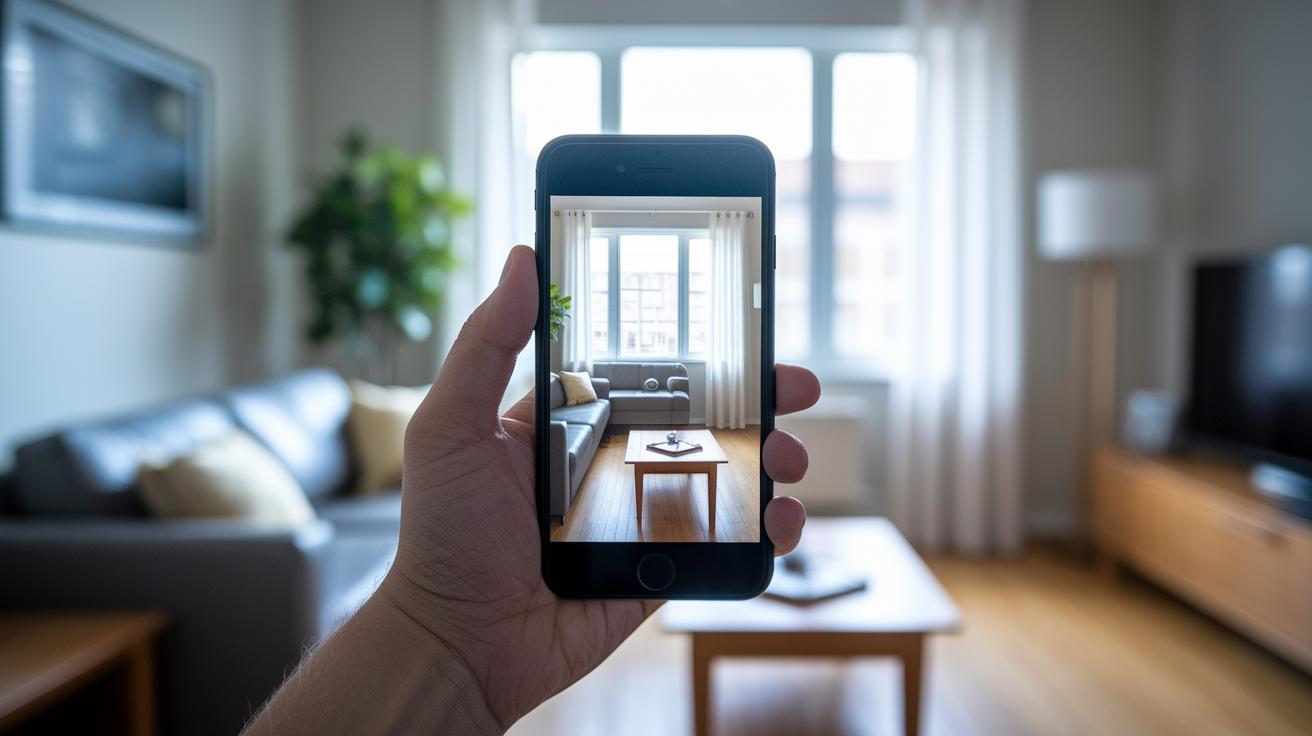
Smartphones are like mini science labs, packed with tiny sensors and optical modules that capture every detail around you. Every sensor, from depth detectors to accelerometers, works together to build a layered view of the world. It’s like having a high-powered camera in your pocket that tracks every move and even maps out every texture, creating a mixed reality experience that feels almost magical.
On the software side, recent updates have really pushed the limits of AR. ARCore’s latest version now supports a flashlight feature, which brightens up dark scenes on Android, making augmented reality clear even when lighting isn’t ideal. And with the release of ARKit 6 in June 2024, Apple devices can now track objects and room layouts with impressive accuracy. These updates are just part of a broader roadmap that relies on top-notch hardware to deliver smooth, premium AR features.
Then there’s 5G connectivity, a true game changer. With faster, real-time handling of cloud-based maps and 3D model rendering, AR apps have become more responsive and immersive, even when you’re out and about without a steady Wi-Fi connection.
Spotlight on AR-Enabled Smartphones and Feature Innovations
These flagship smartphones are breaking new ground in augmented reality. They blend clever hardware with smart software to create interactive experiences that feel both powerful and natural.
| Smartphone Model | AR Feature | Framework & Release |
|---|---|---|
| iPhone 15 Pro | Object/Room Tracking | ARKit 6 (June 2024) |
| Google Pixel 8 Pro | Torch Support for Low-Light AR | ARCore 1.47.0 (2024) |
| Samsung Galaxy S23 Ultra | Live Passthrough & 3D Rendering | Proprietary 3D Overlay (2023) |
These devices stand out because they balance top-notch performance with everyday ease. Each phone seamlessly combines next-level AR software with finely tuned optics, smart sensor arrays, and robust processors. Think of it like holding a mini high-tech camera that captures every detail, no matter the lighting. The iPhone 15 Pro, for example, maps your space with pinpoint accuracy and tracks objects just right.
Meanwhile, the Google Pixel 8 Pro knows how to shine in low-light settings. Its bright torch support ensures your AR scenes stay clear when the light fades. Samsung’s Galaxy S23 Ultra impresses with live passthrough cameras and on-the-fly 3D rendering, smoothly merging digital elements with the world around you.
The teams behind these innovations have spent countless hours perfecting every sensor, lens, and chip. The result feels like magic: everyday moments come alive as you gesture or tap, turning reality into an engaging digital playground.
AR-Driven Use Cases and User Engagement on Smartphones

Smartphones and AR are teaming up to make our everyday tech experiences way more interesting and useful. AR turns regular tasks into interactive adventures, mixing cool virtual elements with the real world. It’s like having a friendly guide right in your pocket, making tech feel personal, fun, and super approachable.
Imagine checking how a new sofa fits in your room without moving a thing. That’s what furniture visualization does. Apps like IKEA’s AR tool let you see digital models of furniture in your actual space, so you’re never guessing again.
Then there’s remote assistance. Ever needed help fixing something but couldn’t find the right advice? With real-time AR overlays, experts can point things out on your screen, making troubleshooting feel like a breeze.
AR isn’t just practical, it’s also a blast in the world of gaming. Mobile games now pack immersive virtual elements that add layers of interactivity, like stepping into your favorite game world. And when you’re navigating both indoors and outdoors, digital hints guide you easily through tricky spaces and busy areas.
Marketers have tapped into AR too. Think of 30-second interactive ads that grab your attention and stick in your mind. And for those learning new skills, training simulations using AR offer realistic practice sessions that mimic real-life scenarios.
It’s remarkable to see how many people are diving into AR these days. Among 5G users, regular AR app use jumped from 15% in 2021 to 38% in 2023. In fact, on average, people are spending an extra 50 minutes a day exploring AR features. Brands are loving this trend too, 90% reported a boost in brand awareness, while campaign costs dropped by 59%.
All in all, AR on smartphones isn’t just a fleeting fad. It’s blending practical helper functions with fun, immersive experiences to shape a future where mobile tech feels more intuitive, engaging, and human than ever before.
Technical Challenges and Performance Enhancements in AR Smartphones
Smartphone AR still runs into a few bumps along the road. Inconsistent Android hardware means that even the coolest features can sometimes act up. Indoor AR navigation often misses the mark with its pinpoint accuracy, and out in the open, weak GPS or low light can really throw things off. It’s a bit like using a flashlight on a foggy night, some details shine through, while others stay hidden.
5G-enabled cloud processing is stepping up to smooth things out by adding fresh digital overlays. Thanks to improved processing techniques, we now see interactive interfaces that strike a nice balance between speed and quality. This smart solution tackles issues head-on by handling heavy rendering tasks and smart sensor data in real time, helping older devices bridge the gap. Still, approaches like WebAR, although user-friendly, can come with compromises that trim back some of the latest, top-tier capabilities.
Forecasting the Future Landscape of AR-Enhanced Smartphone Trends
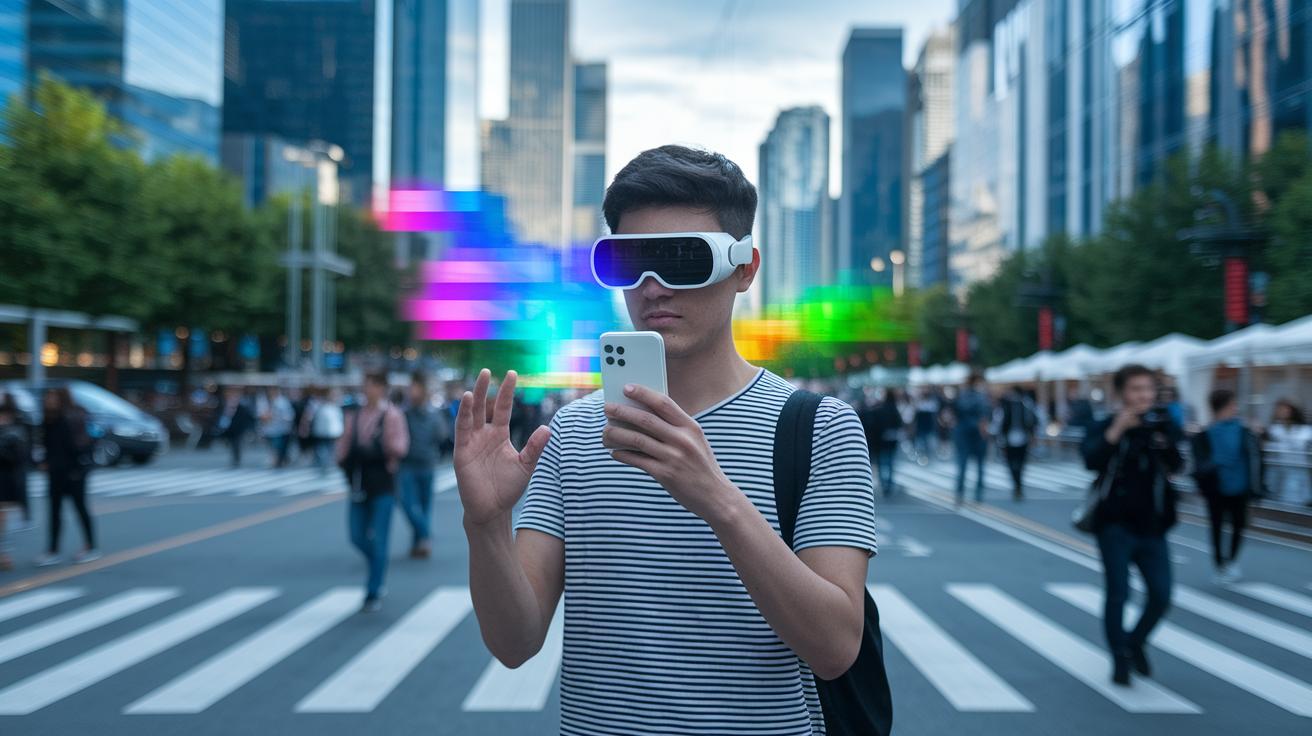
Nearly 70% of US consumers expect to use mobile AR or mixed reality devices within the next five years. People are excited about fun, portable tech that fits right into their everyday lives. With innovative blends of AI and AR, think of breakthroughs like GPT-4o, we're seeing digital overlays that feel natural and respond to what’s happening around you, making every interaction feel personal and smart.
Looking ahead, smartphones are getting a major makeover in both design and function. Manufacturers are rethinking every detail to bring advanced spatial computing into your hands without compromising on ease of use. Expect the new AR-ready phones to be light, compact, and loaded with clever sensors that adapt to your surroundings on the fly. Plus, next-gen apps will smoothly blend the physical world with digital elements, turning everyday tasks into something really interactive. Investors are pouring money into these immersive technologies, and developers are busy crafting new tools that ensure this digital-physical fusion stays both practical and exciting. Even though AR eyewear might become a big thing someday, for now, smartphones remain your go-to gadget for augmented reality experiences.
Final Words
In the action, we explored AR’s journey from its early concepts to its integration in modern smartphones. We unpacked how sensor systems, updated software, and design innovations are shaping mobile tech.
We highlighted real-world AR use cases and tackled the technical challenges while peeking into future trends. The augmented reality impact on smartphone trends remains a driving force behind smarter, more immersive mobile experiences. It’s exciting to see where technology takes us next.
FAQ
Q: What are the future potentials of augmented reality in mobile apps?
A: The future potentials of augmented reality in mobile apps lie in creating immersive retail, gaming, and educational experiences that evolve with technological advances and faster network support.
Q: Why is augmented reality trending?
A: Augmented reality trends because it offers interactive, visual experiences that transform how users shop, play, and communicate, making digital interactions more engaging on familiar devices.
Q: What is augmented reality in digital trends?
A: Augmented reality in digital trends involves overlaying digital visuals onto the real world via smartphones, which reshapes how users interact with brands, products, and entertainment in daily life.
Q: Will augmented reality replace phones?
A: Augmented reality will not replace phones but instead expand their capabilities by adding virtual layers to enhance everyday functions and create more dynamic user experiences.