

Foldable phones have sprinted from sci-fi spectacle to store-shelf staple in just a few short years. Six distinct flip models from four big OEMs now jostle for attention, each promising pocket-sized convenience without tablet envy. Yet real-world use quickly separates slick renders from road-tested reliability. Creases deepen, screen protectors lift, and hinges groan—or glide—depending on who built them. If you’re eyeing a folding phone in 2025, start here. We break down the five dominant ways devices bend, rank the newest hardware from Motorola, Samsung, Huawei and OPPO, and detail the durability quirks you’ll want to know before dropping four figures.
Five Ways Phones Fold in 2025

The clamshell isn’t the only trick in town anymore. Today’s foldables arrive in five clear shapes: (1) the vertical flip à la Galaxy Z Flip and RAZR, perfect for jeans pockets; (2) the book-style horizontal fold seen in Samsung’s Z Fold and Huawei’s Mate X, which opens like a paperback into a mini-tablet; (3) Motorola’s short-lived but eye-catching triple-fold accordion, a phone–tablet hybrid that tucks in thirds; (4) rollables such as OPPO’s prototype, where the display unspools instead of bending; and (5) slider-fold combos that extend on rails before flexing. Each format juggles size, battery, and screen-stress in wildly different ways.
Motorola’s Triple-Fold Dreams vs. the Practical RAZR ’22
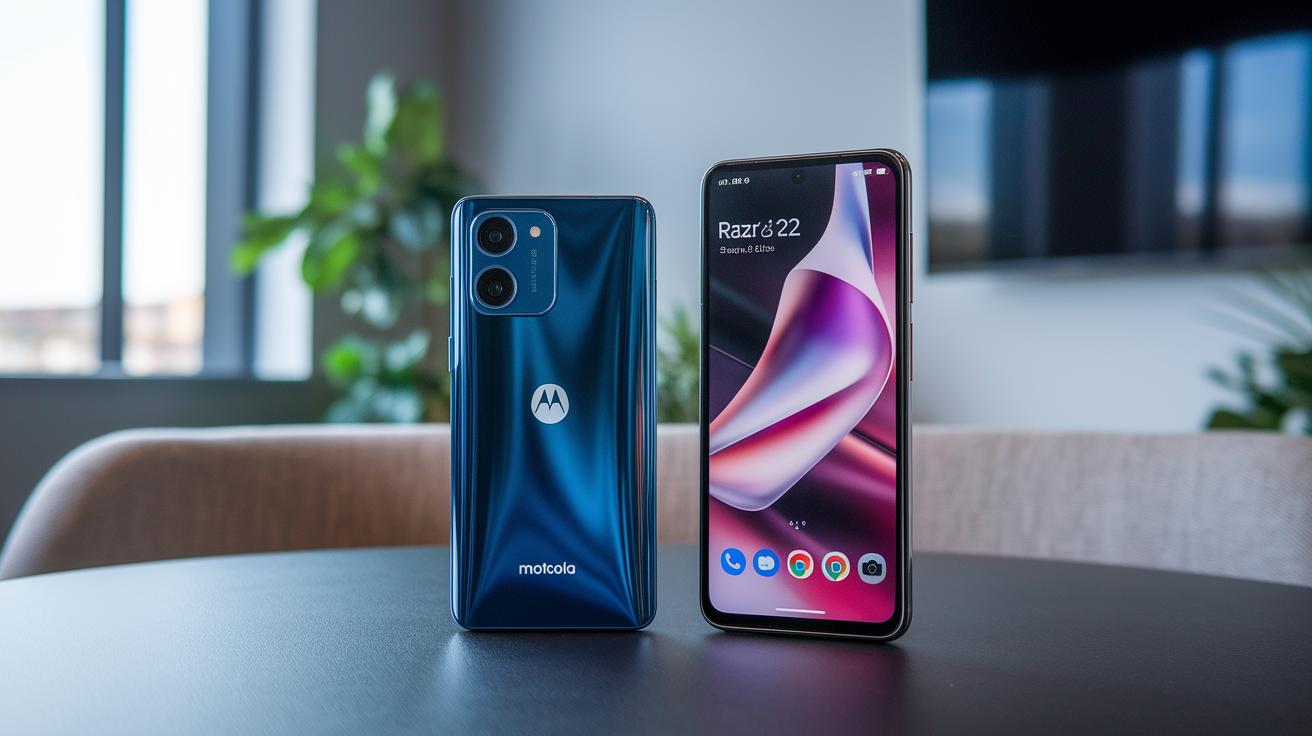
Motorola dazzled early adopters with a concept that folded twice, creating three equal panels and a near-seamless 10-inch canvas. Hands-on reality? Too many moving parts, visible wobble at the seams and durability concerns once dust crept in. The company quietly pivoted to the simpler RAZR ’22, trimming to a conventional clamshell with a beefier outer screen and a hinge rated for 400,000 flips. The compromise works: shallower crease, lighter pocket weight, and a mid-range price that undercuts Samsung. If you crave nostalgia and practicality in equal measure, the latest RAZR finally delivers without feeling like a fragile prototype.
Samsung’s Notorious “Gutter” Crease, and Why the Protector Matters
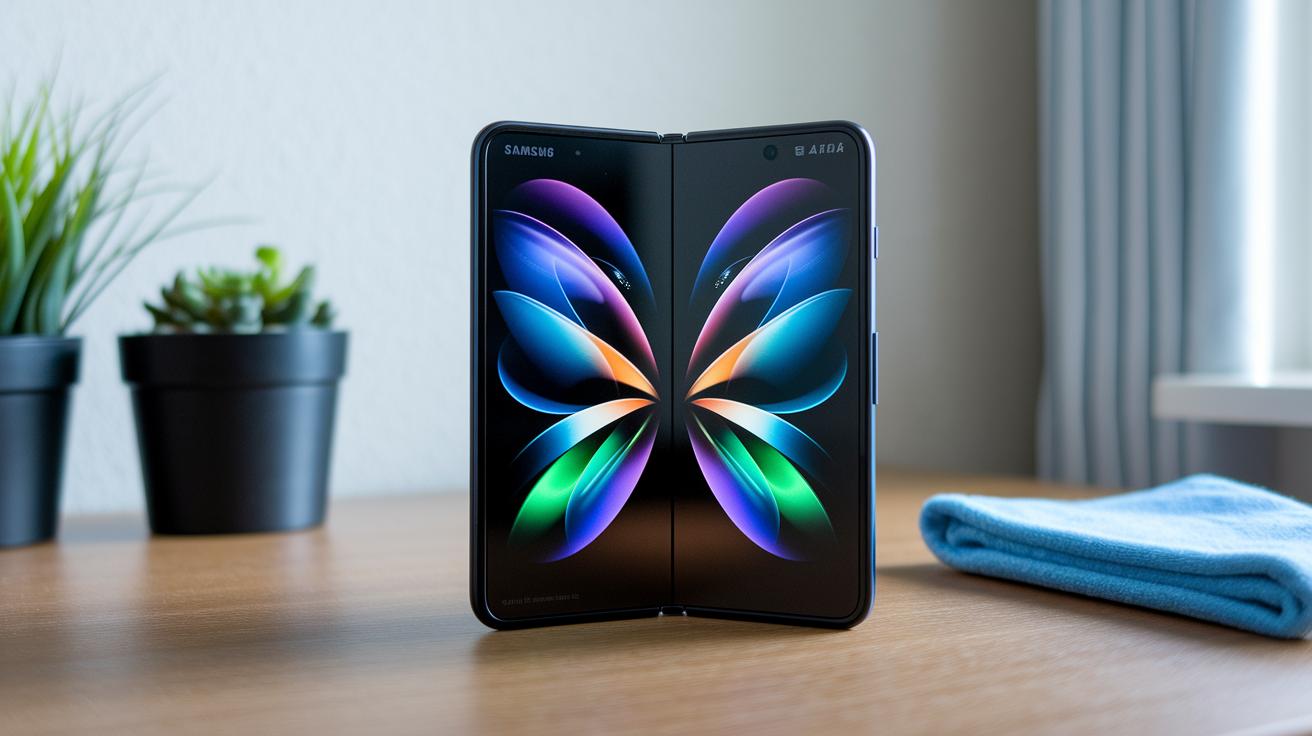
Samsung wrote the modern foldable playbook, but its hinges still earn side-eye. The Z Fold 5 and Z Flip 5 hide an S-shaped bend to diffuse stress, yet the visible valley, dubbed the “gutter”, remains deepest in the segment. Owners report the factory screen protector lifting around month 12, making the crease look worse and collecting grime that can bruise pixels. Replace the protector and the phones soldier on, but it’s a chore you’ll repeat yearly. On the upside, Samsung’s IPX8 water resistance and wide U.S. carrier support keep the Fold line a productivity champ, if you can live with that permanent wrinkle.
Huawei’s Hardware Marvels, Software Caveats and a Deeper Crease
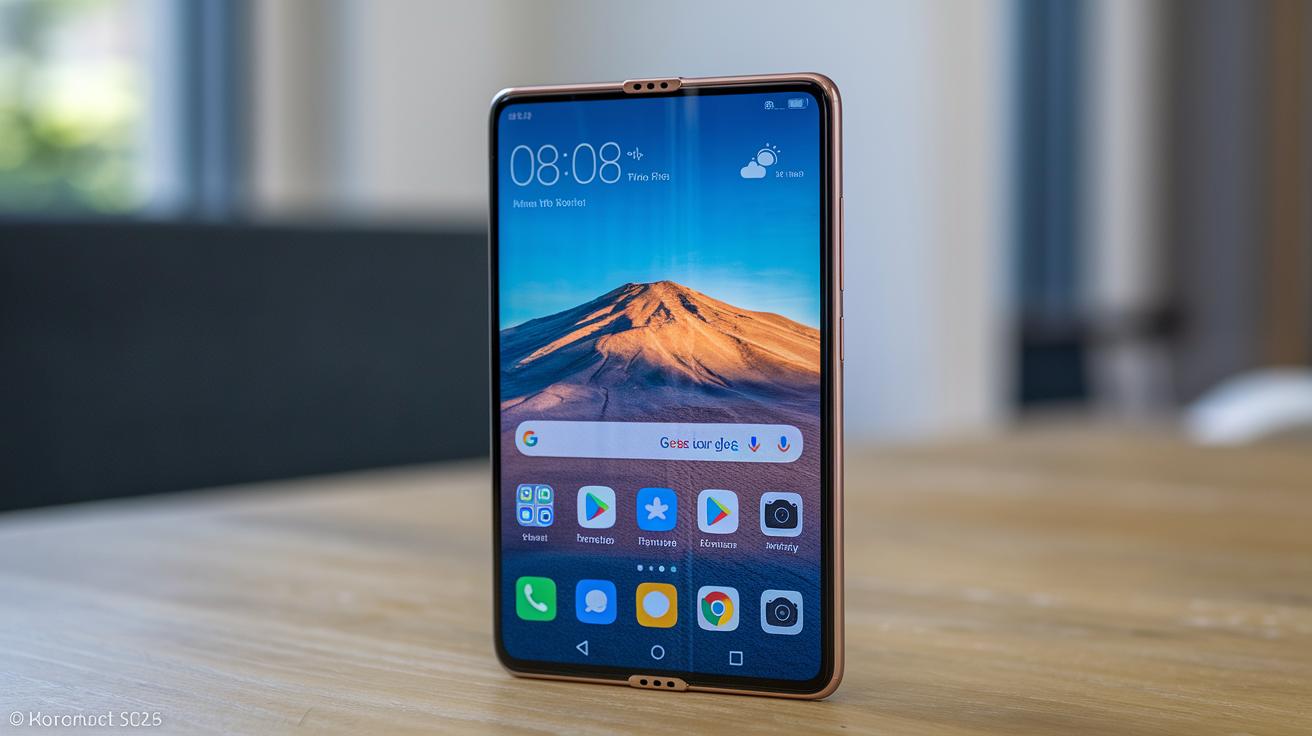
Strip away the Google-less software experience and Huawei’s Mate X-series stands tall. Its outward-folding design halves thickness but doubles the risk of scratching, so the company switched to an inward fold with the Mate X3. The hinge uses zirconium-based liquid metal for strength, yet its crease still rivals Samsung’s for depth. Where Huawei wins is overall polish: feather-light magnesium alloy, an ultra-thin battery stack, and satellite SMS support for hikers off the grid. Just remember that sideloading apps is a must outside China, and 5G bands may be disabled in many export markets.
OPPO Find N3 Flip: The Cleanest Crease, For Now

OPPO entered late but learned fast. The Find N3 Flip and Find N3 Fold use a “water-drop” hinge that allows the OLED to tuck into a teardrop cavity, nearly eliminating the visible line. After 400,000 test cycles, the crease measures a scant 0.03 mm, practically invisible to the finger. The phones also skip the ultra-thin glass layer in favor of a flexible composite that rebounds better after impact. Early durability looks promising, but long-term data is scarce. If you crave a pristine canvas and don’t mind waiting on widespread service centers, OPPO’s newcomer is the one to watch.
Buying Advice: Hinge Science, Warranty Woes and What’s Next

Before swiping your card, open and close a demo unit at least 50 times. Listen for crunching, feel for wobble, and inspect the gap when shut, dust loves a gap. Prioritize brands offering free annual screen-protector swaps and hinge lubrication, because out-of-warranty repairs still cost half the device price. Cases remain limited, so budget for OEM-approved protection. Looking ahead, analysts predict rollables will outsell tri-folds by 2027, while creases shrink below 0.02 mm thanks to “reverse-drop” hinges. Until then, buy for the present, not the promise: balance display real estate against everyday durability, and keep that microfiber cloth handy.