Business News & Information
Sustainable Apparel Trends Shaping the Next Generation of Fashion
By Headlines Team
December 31, 2025
Field Notes
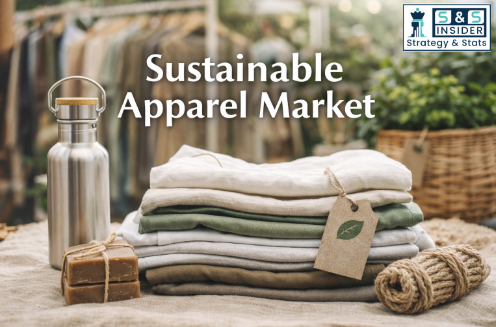
The Sustainable Apparel Market is gaining strong momentum as environmental awareness, ethical consumption, and regulatory pressure reshape the global fashion industry. Sustainable apparel refers to clothing produced using eco-friendly materials, ethical labor practices, reduced water and energy consumption, and lower carbon emissions throughout the supply chain. As fast fashion faces increasing scrutiny, brands and consumers alike are shifting toward more responsible alternatives that balance style, quality, and sustainability.
The Sustainable Apparel Market Size was valued at USD 12.22 billion in 2024 and is expected to reach USD 24.53 billion by 2032, growing at a CAGR of 9.1% during the forecast period of 2025–2032. This robust growth reflects rising consumer demand for transparency, sustainable sourcing, and circular fashion models. Governments, brands, and retailers are increasingly aligning their strategies with environmental, social, and governance (ESG) goals, further accelerating the adoption of sustainable apparel worldwide.
Market Size and Growth Trends
The rapid expansion of the sustainable apparel market is driven by both consumer behavior and industry transformation. Modern consumers, particularly millennials and Gen Z, are prioritizing eco-conscious purchasing decisions and favoring brands that demonstrate ethical responsibility. As awareness of textile waste, water pollution, and carbon emissions grows, demand for apparel made from organic cotton, recycled fibers, and biodegradable materials continues to rise.
From a supply-side perspective, fashion brands are investing in sustainable materials, cleaner production technologies, and transparent supply chains. While the initial cost of sustainable apparel remains higher than conventional clothing, economies of scale, innovation in fabric technology, and improved sourcing practices are gradually reducing production costs. This shift is enabling wider market penetration and positioning sustainable apparel as a long-term growth segment within the global fashion industry.
Key Drivers
One of the primary drivers of the sustainable apparel market is increasing consumer awareness regarding environmental and social issues. Shoppers are becoming more informed about the environmental impact of textile production, including excessive water usage, chemical pollution, and landfill waste. This awareness has led to growing demand for clothing that is ethically produced, cruelty-free, and environmentally responsible, prompting brands to integrate sustainability into their core business strategies.
Another major driver is regulatory and corporate pressure to adopt sustainable practices. Governments and international organizations are introducing stricter regulations related to carbon emissions, waste management, and labor standards in the textile industry. At the same time, global apparel brands are committing to sustainability targets, such as carbon neutrality and circular fashion initiatives. These efforts are driving investment in sustainable materials, recycling technologies, and eco-friendly manufacturing processes.
Applications
Sustainable apparel is increasingly being adopted across casual wear, activewear, and everyday clothing segments. Consumers are choosing garments made from organic cotton, bamboo fibers, hemp, recycled polyester, and regenerated cellulose due to their lower environmental impact and improved comfort. Sustainable casual wear and athleisure, in particular, are experiencing strong growth as consumers seek versatile clothing that aligns with both lifestyle needs and ethical values.
Beyond casual fashion, sustainable apparel is also gaining traction in luxury fashion, corporate uniforms, and specialty clothing. High-end brands are incorporating sustainable fabrics and ethical craftsmanship to appeal to environmentally conscious consumers without compromising on quality or design. Additionally, organizations are adopting sustainable uniforms and workwear to meet corporate sustainability goals, further expanding the application scope of eco-friendly apparel.
Regional Insights
The Europe region holds a significant share of the sustainable apparel market, driven by strong environmental regulations, high consumer awareness, and early adoption of ethical fashion practices. Countries such as Germany, the UK, and France are leading the transition toward sustainable fashion through government initiatives and consumer-driven demand.
North America is another major market, supported by growing sustainability-focused brands, increased investment in recycled textiles, and rising consumer demand for transparent supply chains. Meanwhile, the Asia-Pacific region is emerging as a high-growth market due to expanding manufacturing capabilities, rising middle-class population, and growing awareness of sustainable consumption in countries such as China, India, and Japan.
Competitive Landscape
The sustainable apparel market is highly competitive, with both established fashion brands and emerging eco-focused startups actively innovating to gain market share. Companies are focusing on sustainable material sourcing, supply chain transparency, and certifications such as GOTS, Fair Trade, and OEKO-TEX to strengthen consumer trust. Digital platforms and direct-to-consumer models are also playing a key role in promoting sustainable fashion.
Strategic collaborations with material innovators, recycling companies, and sustainability organizations are becoming increasingly common. Brands that successfully combine sustainability with affordability, style, and durability are expected to gain a competitive advantage as consumer expectations continue to evolve.
Conclusion
In conclusion, the Sustainable Apparel Market is poised for strong growth, expanding from USD 12.22 billion in 2024 to USD 24.53 billion by 2032, at a CAGR of 9.1%. Rising environmental awareness, regulatory support, and shifting consumer preferences are transforming sustainable apparel from a niche segment into a mainstream fashion movement. As innovation in materials and production processes continues to advance, sustainable apparel is expected to play a critical role in shaping the future of the global fashion industry.