News
A Step-by-Step Routine for Organizing Board Game Nights and Video Game Tournaments
By Full Editorial
November 16, 2026
Field Notes
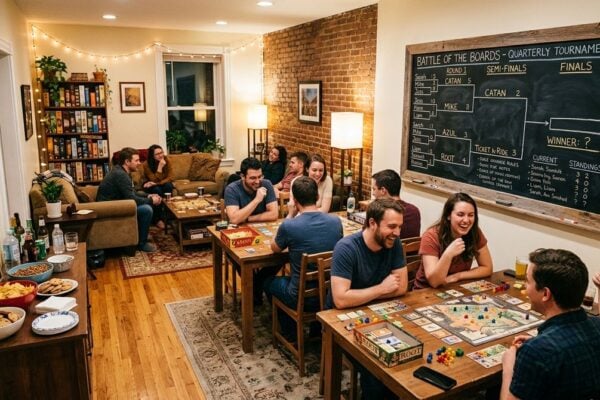
Hosting a memorable gaming session takes more than simply inviting friends over and turning on a console or opening a cardboard box. Whether you are gathering around a dining table for a complex strategy board game or setting up a local bracket for a competitive fighting game, smooth execution makes all the difference. Unclear rules, missing cables, and dead batteries can stall momentum before the first round even begins.
Following a structured preparation checklist removes technical friction and keeps everyone focused on friendly competition and conversation. When the host handles setup, rule briefings, and pacing ahead of time, guests feel welcomed and relaxed from the moment they arrive. Use this step-by-step routine to plan, run, and wrap up your next tabletop or digital gaming gathering effortlessly.
Selecting the Right Games and Confirming Player Counts
Start your planning routine at least one week before the event by locking in your guest list and matching game choices to the group size. Different titles shine at specific player counts, and forcing six people into a game designed for four leads to long waits between turns. Ask attendees about their preferred genres and experience levels so you can balance heavy strategy titles with quick, accessible party games.
Readers may also want to visit Bitmoji. Having concise reference sheets ready prevents players from passing a single thick rulebook back and forth throughout the evening. Choose one main centerpiece game for the night alongside two shorter warm-up or cooldown options.
Send a brief confirmation message to your guests forty-eight hours in advance that outlines the arrival time, planned games, and any optional preparation. If you are hosting a digital tournament, let players know which version of the game and which controller types will be supported so everyone arrives prepared.
Preparing Hardware, Tabletop Components, and Seating
Dedicate the afternoon before your guests arrive to physical setup and hardware testing. For board game nights, open every box ahead of time to verify that all tokens, dice, and card decks are sorted into separate bowls or trays. Pre-sorting components shaves twenty minutes off setup time and lets you start playing as soon as everyone sits down.
For video game nights and local tournaments, test every console, monitor, controller, and charging dock well before kickoff. Follow a quick hardware inspection checklist to prevent mid-match technical delays:
* Update system firmware and download all required game patches the day before.
* Charge wireless controllers fully and set out extra batteries or long braided cables.
* Verify display settings, audio levels, and low-latency game modes on every screen.
* Label tournament stations clearly if you are running multiple setups simultaneously.
Arrange seating so every player has a clear view of the board or screen along with easy access to side tables for drinks and snacks. Good lighting matters just as much for tabletop sessions as dim, glare-free lighting does for screen-based competition.
Running a Smooth Rules Briefing and Warm-Up Round
When guests arrive, give everyone fifteen minutes to grab a drink, settle in, and chat before launching into explanations. Trying to teach complex mechanics while people are still taking off coats and finding seats guarantees that you will have to repeat yourself later. Once the room settles, deliver a structured five-minute rules overview that starts with the theme and win condition before covering turn structure.
You can also visit colonialsun.com for more reading. Demonstrate one sample turn out loud so visual learners can see how actions connect in practice. Avoid explaining every obscure edge case upfront, and instead promise to clarify rare card interactions if they actually appear during play.
In competitive video game brackets, run a mandatory ten-minute button-check and warm-up period before recording official match scores. This gives newcomers a fair chance to test controller sensitivity and adjust to the display refresh rate without tournament pressure.
Managing Pacing, Breaks, and Tournament Brackets
Once gameplay is underway, your primary role as host shifts to pacing and energy management. Keep a subtle eye on the clock and the table mood so games do not drag past everyone’s energy limit. In tabletop sessions, gently nudge players who suffer from analysis paralysis by reminding them whose turn is next and keeping snack breaks between rounds rather than mid-turn.
For tournament setups, update your bracket board visibly after every match so players know when they are up next. For a related read on this site, see A Personal Guide to Making a Useful Day-Off Plan. Call upcoming matches two rounds in advance so players can finish their snacks and step up to the station without dead air.
Schedule a dedicated fifteen-minute intermission roughly halfway through the evening. Stepping away from the screen or board lets everyone stretch, refill water glasses, and trade highlights from the early rounds before diving into the finale.
Wrapping Up Scores and Packing Away Efficiently
As the final match concludes, take a moment to celebrate the winners and highlight memorable plays from across the night. Taking a quick group photo with the final scoreboard or completed game board creates a fun keepsake to share in your group chat the next day. Ask guests for quick feedback on which games they enjoyed most to inform your next gathering.
Before people head out the door, invite everyone to spend three minutes helping sort cards back into their labeled dividers and baggies. Many hands make teardown effortless, and organizing components immediately ensures nothing gets lost under couch cushions. Wipe down tables, coil controller cables neatly, and store boxes flat on your shelves so they are ready for next time.
Keeping the Tradition Alive
The best gaming nights feel effortless because the host did the quiet organizational work long before the doorbell rang. By reusing this simple checklist for each gathering, you spend less time troubleshooting cables or flipping through rulebooks and more time enjoying the games themselves. Keep notes on your group’s favorite titles and preferred snacks, and every future game night will run even smoother than the last.