BlackBerry 10 Security Patch Status and Safe Mitigation Tips
By 82yoon
November 16, 2026
Field Notes
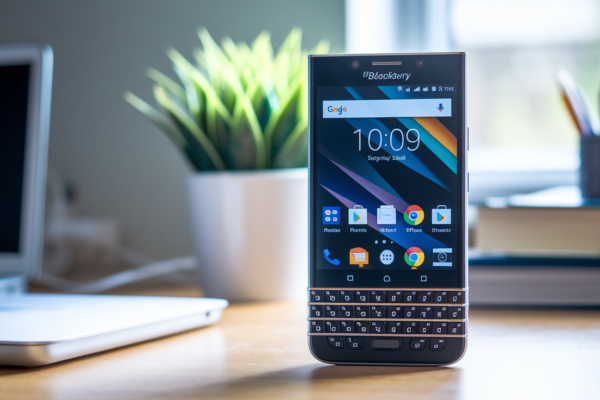
Think your BlackBerry 10 is safe because it shows 10.3.3?
It isn’t.
BlackBerry 10 reached vendor-declared end-of-support on January 4, 2022, so no new security patches are coming.
That means any vulnerability found after that date won’t get an official fix, even if your device reports the final 10.3.3 build.
This post lays out the current patch status and practical mitigation steps – how to check devices, isolate and harden remaining phones, remove credentials, and when to migrate off the platform.
Think of them as damage control, not a fix.
Is BlackBerry 10 Still Receiving Security Patches?
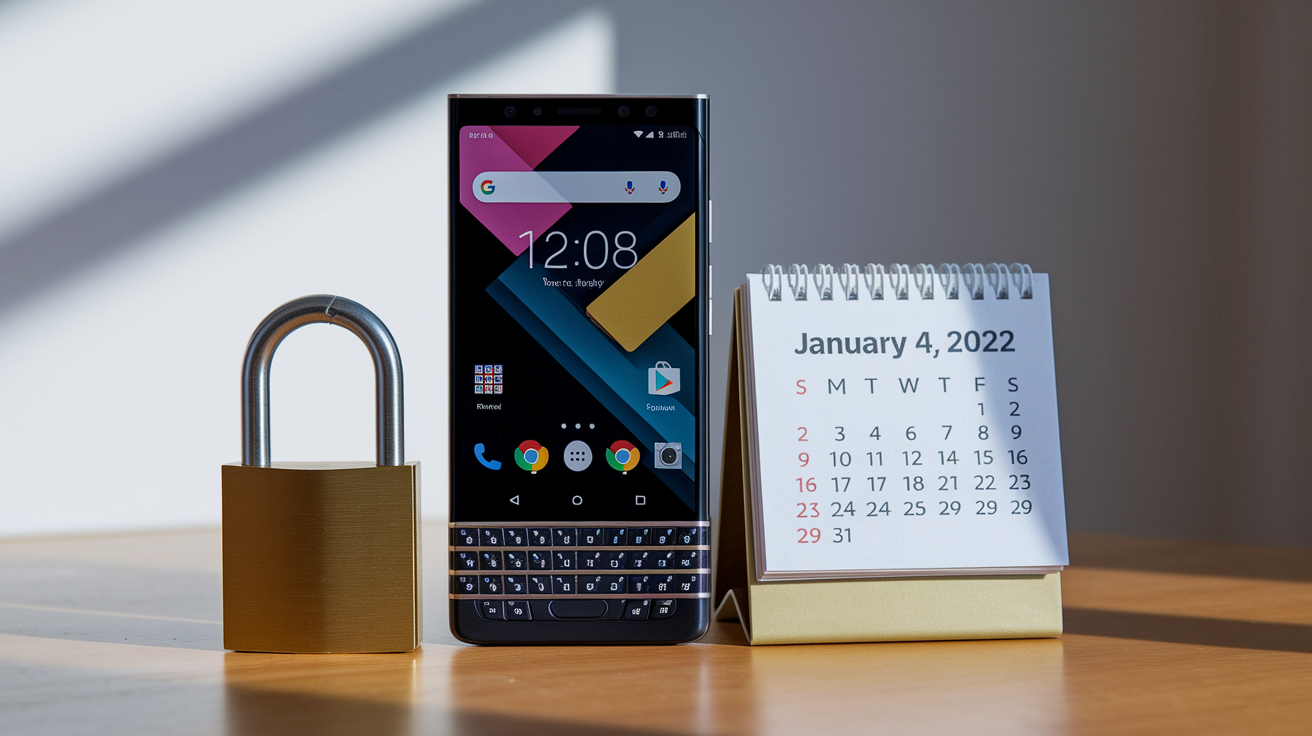
No. BlackBerry 10 reached its vendor-declared end-of-support date on January 4, 2022, and that milestone applies no matter which 10.3.x build you’re running. The final major commercial release branch was BlackBerry 10 OS 10.3.3, but seeing that version number on a device isn’t the same as having a maintained security patch level. 10.3.3 was simply the last feature line ever shipped. It froze in place on that date.
There’s no ongoing vendor patch channel for BlackBerry 10 anymore. That means you can’t reasonably expect any newly disclosed vulnerability, in the browser engine, the kernel, the crypto libraries, or anywhere else, to get an official fix. Historical patches issued before January 2022 still did their job at the time, but they offer zero protection against anything found afterward. Every BlackBerry 10 device, no matter the model, carrier, or build number, needs to be treated as unsupported starting today.
- Stop using BB10 for banking, privileged access, regulated data, corporate email, or authentication secrets.
- Inventory and isolate remaining devices.
- Remove or rotate corporate credentials and tokens.
- Apply temporary device and network compensating controls.
- Prioritize migration to a supported iOS or Android device.
The sections ahead walk through device hardening, network isolation, and access controls in detail. Think of them as damage control, not a fix. The only thing that actually closes the gap is getting off the platform.
How Can You Check a BlackBerry 10 OS Version and Patch Status?
(((alt-img2)))
A BlackBerry 10 device will show you its OS release, its full software build, and its carrier distribution history, but none of those tell you the current security patch level. On Android, a dated security patch string gives you a rough idea of how current the device’s protections are. BlackBerry 10 has no equivalent indicator, and honestly, even if it did, it wouldn’t matter after the end-of-support date. There’s no build, old or “latest,” that carries protection against CVEs patched only after January 4, 2022, because none exist for this platform.
That’s the trap worth avoiding here. A device reporting 10.3.3, the final and most complete release line, can look fully updated. It isn’t current in any security sense. It’s just the last stop before the vendor pulled the plug on patching altogether. For inventory purposes, record the model, complete OS build, IMEI or serial number, owner, installed apps, and last check in date for every device you find.
- Open the device settings and locate the About or OS information screen.
- Record the model, software release, OS version, and full build number.
- Record ownership and hardware identifiers for enterprise inventory.
- Compare the build with archived vendor or carrier documentation where available.
- Mark the device unsupported even if it reports the latest available 10.3.3 build.
| Field to record | What it shows | What it does not prove |
|---|---|---|
| Device model | Hardware identity and generation (Z10, Q10, Passport, Classic, etc.) | Whether the installed software is current or protected |
| OS version | Which feature branch is installed, up to 10.3.3 | Whether any post 2022 vulnerability has been addressed |
| Full build number | Exact carrier or vendor release string tied to that install | A dated or ongoing security patch cadence |
| Last update or check in date | When the device last contacted a management or update service | That it received any security relevant update at that time |
Which Unpatched Vulnerabilities Put BlackBerry 10 Devices at Risk?
(((alt-img3)))
Old advisories need a careful read for their original patch status. Some vulnerabilities were found and fixed while BlackBerry 10 was still supported, so it’s not fair to call those “unpatched” on an updated historical build. The real concern sits elsewhere. Anything discovered or fixed in similar software after January 4, 2022 might affect BlackBerry 10 too, but BlackBerry isn’t investigating it, issuing advisories about it, or patching it. That exposure is effectively unknown and unbounded.
Browser, WebKit, and HTML Content
The built in browser, and anything that renders HTML, including email previews and embedded webviews, can be a path to drive by compromise just from visiting a page or opening a message. Some WebKit memory corruption issues were addressed in earlier builds. Anything found in similar browser engines after support ended has no equivalent fix here.
Media, Messaging, and Attachment Parsing
Malformed images, audio, video, MMS messages, and email attachments remain a plausible attack surface on BlackBerry 10. Not every historical parsing flaw is unpatched, several were fixed in past builds, but this class of bug keeps turning up industry wide, and new variants after 2022 have nowhere to be reported or fixed on this platform.
Kernel, Runtime, and Application Weaknesses
Privilege escalation, sandbox escape, and outdated Android runtime apps are a separate concern from the core OS. Sideloaded apps and unsupported third party code can carry their own vulnerabilities that persist independently of whatever happened with historically patched operating system CVEs.
TLS, Cryptography, and Wireless Services
BlackBerry 10 never picked up native TLS 1.3 support, and its cipher options are aging by modern standards. Certificate validation behavior, Bluetooth stacks, and NFC pairing all add exposure on hostile local networks. These components were current once. They’re not anymore, and nobody’s actively auditing them.
Historical Example: CVE 2014 1468
This one’s worth knowing because
Final Words
In the action, BlackBerry 10 reached vendor-declared end-of-support on January 4, 2022; 10.3.3 was the final release and no routine vendor security updates follow.
Use this post as a quick reference for security patch status for BlackBerry 10 and mitigation advice. Move affected users to supported iOS or Android to restore regular updates and reduce risk.
- Stop using BB10 for banking, privileged access, regulated data, corporate email, or authentication secrets.
- Inventory and isolate remaining devices.
- Remove or rotate corporate credentials and tokens.
- Apply temporary device and network compensating controls.
- Prioritise migration to a supported iOS or Android device.
FAQ
Q: Does the BlackBerry 10 still work?
A: The BlackBerry 10 still works as a phone, but BlackBerry 10 and BlackBerry OS 7.1 reached end-of-support on January 4, 2022; no routine vendor security patches or new CVE fixes should be expected.
Q: What does security patch level mean?
A: Security patch level indicates the date or build when a vendor delivered security fixes; for BlackBerry 10 there is no ongoing patch level after January 4, 2022, so an OS 10.3.3 build doesn’t imply current protection.
Q: Can I still use my BlackBerry phone in 2026?
A: You can still use a BlackBerry phone in 2026, but BlackBerry 10 devices are unsupported—avoid banking, corporate email, or privileged access; inventory, isolate, and prioritise migration to supported iOS or Android devices.
Q: Where can I find a security update guide?
A: Security update guides are on official BlackBerry support pages, BES/UEM or MDM vendor documentation, carrier advisories, and trusted community archives; always verify your exact model, full build number, and the source before following guidance.