News
Planning a Field Trip: Permissions, Logistics, and Common Oversights
By Full Editorial
November 12, 2026
Field Notes
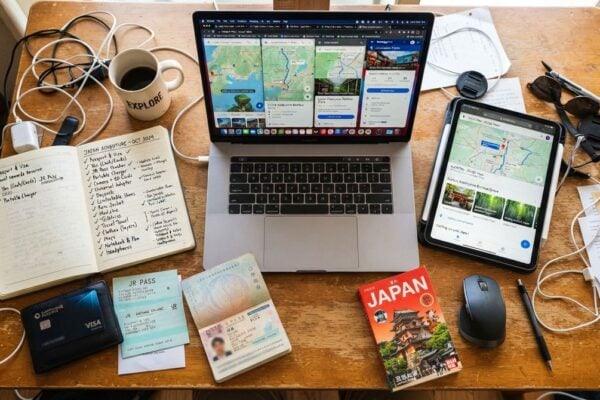
A well-planned field trip can be the highlight of a school year, giving students a chance to see a place, object, or activity that no classroom could offer. Yet trips also involve many moving parts, from paperwork and transport to supervision and emergency contacts. Teachers who plan carefully often find that the day runs more smoothly, and that they can focus on the learning rather than on solving problems as they arise. This article covers the planning stages, explains how to handle permissions and communication, lists common oversights, and offers practical tips for the day itself.
Set the Learning Purpose First
Start by deciding what students should learn from the visit. A museum trip might focus on a specific period of history, while a nature walk might be designed to practise observation and measurement. A clear purpose shapes every other decision, including the length of the visit, the number of adults needed, and the activities planned for the group. Write the purpose on the trip form so that parents and colleagues understand why the outing matters. A trip with a clear aim is easier to justify and simpler to evaluate afterwards.
Handle Permissions and Communication
Most schools require written permission from families before a trip leaves the premises. Check your school’s policy for the exact form, the deadline, and any special rules for overnight or distant visits. Send information early and clearly, including the date, meeting time, expected return time, what to pack, and any costs in plain language. Many teachers find it helpful to offer a short information session or a contact point for questions, because a single missed detail can cause a student to be left out at the last minute. Keep a record of every permission form and make sure it is easy to access on the day.
Permissions also extend to students with additional needs. Check medical information, allergy plans, and any dietary restrictions, and confirm that the relevant staff have seen them. If a student needs medication during the trip, follow the school’s procedure and ensure that the medication is stored and administered properly. Speak with the school nurse or a qualified professional when you have questions about health needs.
Plan Logistics and Supervision
Transport is often the most complicated element. Confirm the booking, the driver’s details, the pick-up point, and the route, and check whether the vehicle is suitable for the number of students and the equipment you will carry. Supervision ratios should follow your school’s guidance, and it is wise to plan a little more adult support than the minimum, especially for younger students or unfamiliar locations. Prepare a simple list of responsibilities so that each adult knows which group they are leading and how to contact the lead teacher. Readers may also want to visit supplementsangles.com.
A practical checklist helps prevent last-minute gaps:
1. Carry a complete list of students, adults, and emergency contacts.
2. Bring a first aid kit and any medication that has been approved for use.
3. Confirm the meeting point and a backup plan if the weather changes.
4. Agree on a clear signal for regrouping if a student becomes separated.
Common Oversights to Avoid
Several problems appear again and again in trip planning. One is forgetting to check the venue’s own rules, such as bag restrictions, booking times, or required safety briefings. Another is underestimating the time needed to move a large group between areas, which can squeeze the learning activities into a rushed hour. Teachers also sometimes forget to plan for rest breaks and toilet access, which affects behaviour and attention. Finally, many trips lose value because there is no follow-up lesson, so students cannot connect their experience to the curriculum. You can also visit wellnessadvice.info for more reading.
Make the Day Run Smoothly
On the day itself, arrive early, count students at each stage of the trip, and keep your phone charged with the school contact details saved. Walk the route in advance if possible, and identify the nearest facilities and emergency exits. Brief students clearly about expectations, including how to behave around other visitors and how to stay with their group. For a related read on this site, see Organizing a Family Folder for School Records and Certificates.
Finally, remember that a field trip is a shared experience. Take photographs only where school rules allow, collect student feedback, and thank the staff and volunteers who helped. A trip that is well organised and clearly connected to learning gives students something to remember long after the coach has returned to school.