News
Mistakes to Avoid When Setting Up a Home Office Later in Working Life
By Full Editorial
November 13, 2026
Field Notes
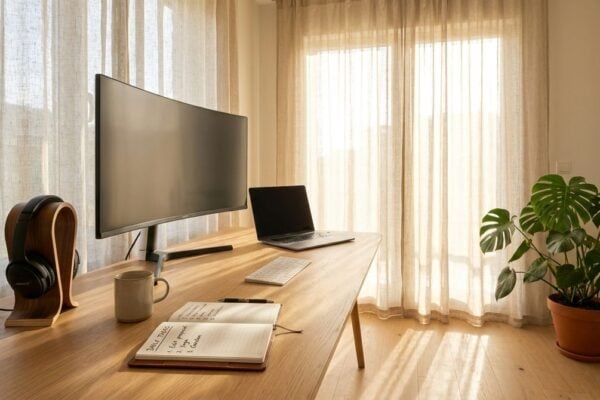
Setting up a home office in later working life can make your daily routine more comfortable, especially if you are moving to part-time or freelance work. Yet many people repeat the same avoidable mistakes, such as placing the desk in a poor position, ignoring lighting or forgetting about storage. This article describes the most common errors and offers practical alternatives that suit people who value comfort, clarity and steady energy. It is general advice, and anyone with a specific health concern should consult a qualified professional before making major changes to their workspace.
Choosing the Wrong Spot
The corner of a busy living room may seem convenient, but it often brings constant interruptions and inconsistent light. Look for a quieter area with a door that can close, or at least a place where you can set up a consistent workstation that stays in the same position each day. Consider how far the space is from the kitchen and bathroom, since short walks are good for circulation and general comfort. Test the location by sitting there for an hour at different times of day, noticing noise, glare and temperature. A location that feels fine at breakfast may feel stuffy or dim by the afternoon. If you can, try a trial week in the chosen room before buying any furniture for it.
Many people also overlook the way a room changes across the seasons. Readers may also want to visit lpqueen.com. Small adjustments often make a bigger difference than buying new equipment, and moving a desk a short distance can transform the feel of a room. Keep a note of what you notice, so that the next change is based on evidence rather than guesswork.
Ignoring Chair and Screen Height
A chair that feels fine for twenty minutes may become uncomfortable after several hours. Check that your feet rest flat or on a stable footrest, that your lower back is supported and that your forearms can rest without lifting your shoulders. Position the top of the screen near eye level so that you are not constantly tilting your head forward. Adjustable equipment is helpful, but even a stack of sturdy books under a laptop can improve posture, provided it is stable and safe to use every day.
Take regular breaks to stand, stretch and look into the distance. Short movement breaks, even of a minute or two, are easy to fit between tasks and can make the afternoon feel lighter. You can also visit Fruzo for more reading. If you have pain, numbness or recurring headaches, speak with your doctor or a qualified physiotherapist rather than trying to solve the problem alone with equipment you have bought online.
Common Setup Errors at a Glance
- Placing the desk directly facing a bright window, which causes glare.
- Using a dining chair for long sessions without any back support.
- Keeping cables loose across the floor where they can cause a trip.
- Leaving paperwork piled on the desk rather than in a labelled box.
- Forgetting to test the internet connection in the chosen room.
Forgetting Storage and Sorting
A clear desk makes focused work easier, but storage is often the first thing left out of the plan. Set aside a shelf or drawer for files, a box for post and a tray for frequently used items. Label everything so that you do not waste time searching through piles on busy mornings. When the workspace is tidy at the end of each day, you start the next morning with less friction and a clearer head. If the room is also used by other members of the household, agree on simple rules about where things belong, so that the space stays usable for everyone. Agreeing on a shared timetable for the room, even a simple one, can prevent awkward interruptions during important calls.
Planning for Changes Over Time
Your needs will shift as your work changes, so build the setup with some flexibility. Choose a desk height that can be adjusted if possible, keep spare space for a second screen and check that the room can be heated and cooled comfortably through the year. Some people keep a short written review every few months to note what has become uncomfortable or inconvenient. For a related read on this site, see Keeping Your Health on Track While Growing a Small Business.
A home office that supports you does not need to be expensive or large. Avoid the common traps of poor placement, awkward seating and cluttered storage, and review the arrangement regularly. With thoughtful planning, your workspace can become a calm base for the next chapter of your working life.