

Ever thought your phone might be one step ahead of you? These days, your mobile device isn’t just for calls, it's like a mini-computer tucked right in your pocket. Fast connectivity and cool design upgrades bring exciting new features and blazing speeds at your fingertips. New trends in AI chips (tiny brains that make smart decisions) and foldable displays (screens that flex and impress) are reshaping how we work, play, and stay in touch. Mobile tech is stepping up in a big way, turning everyday gadgets into essential tools for a fast-paced, dynamic lifestyle.
Comprehensive Mobile Technology Overview: Latest Trends, Innovations, and Market Forecasts

Mobile technology is totally transforming our lives, from how we work and play to the way we connect with each other. We’re seeing trends across everything from wireless systems and portable computing to next-gen connectivity. The tech world is quickly embracing smarter solutions, with hardware and software upgrades mixing to offer richer, more exciting experiences. And with AI now a part of top-tier devices, everyday tech becomes not just convenient but truly cutting-edge.
Recent stats show how the industry is shifting fast. For example, by Q3 2024, around 77% of smartphones support 5G, which makes everything from streaming to calls way faster and more reliable. Plus, foldable displays accounted for 3% of smartphone shipments (about 24.3 million units) in 2024, and they’re expected to grow to 5% by 2032. In 2023, 308 million devices came with eSIM capability, hitting a 24.2% adoption rate, and nearly 300 million devices now include Ultra-Wideband connectivity. Meanwhile, smartphones are gradually packing in embedded AI chips, setting the stage for tablets to catch up starting in 2025.
Looking ahead, forecasts point to significant growth in mobile infrastructure. Cloud-based systems, for instance, could expand at a 22% growth rate by 2025. This steady innovation in both hardware and software means our wireless and portable tech will only get better. As researchers and tech enthusiasts keep a close eye on these trends, it’s clear that our digital interactions are evolving into smarter, faster, and more dynamic experiences.
Mobile Technology Device Evolution and Design Breakthroughs
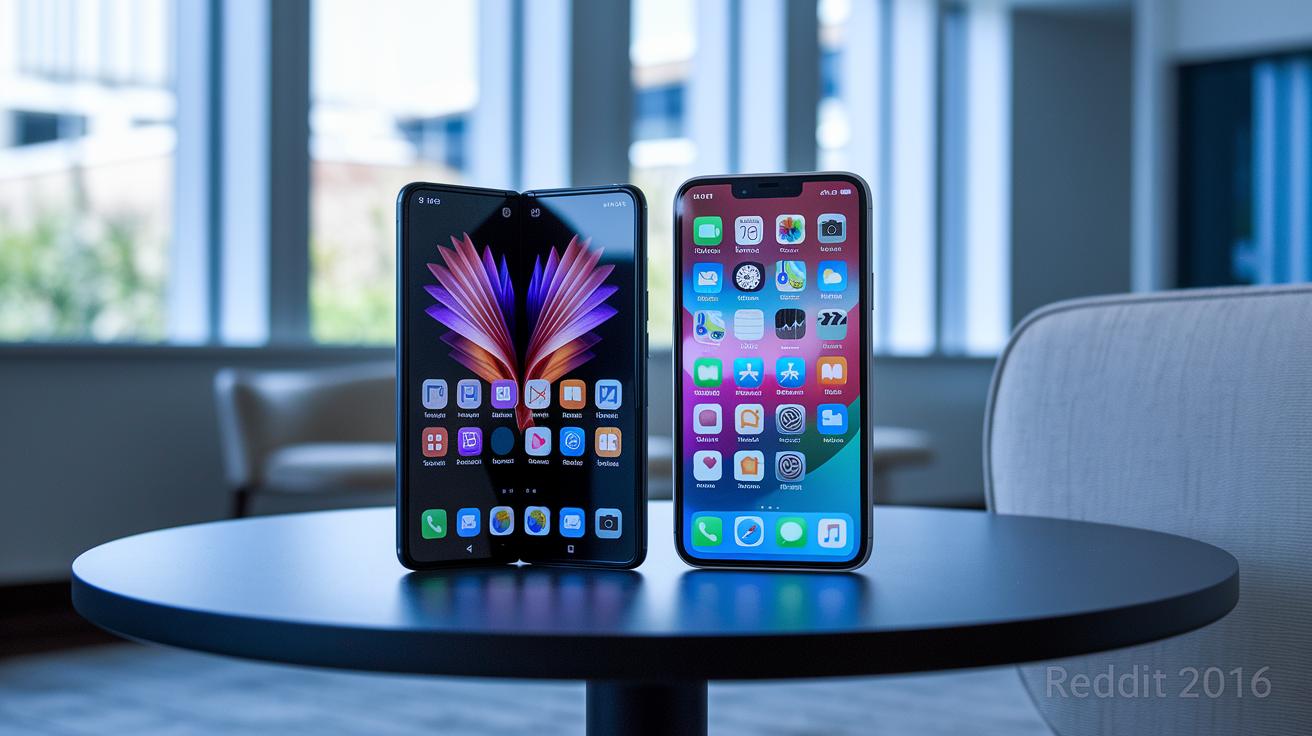
Today’s mobile devices combine strong performance with fresh, evolving design trends. We’re not just improving how devices work anymore, we’re changing how they look and feel. Think about it: there was a time when phones were stiff and unyielding. Now, modern foldable technology lets them shift shape, making design a lively part of the experience.
| Innovation | First Appearance | Adoption Trend | Design & Usability Impact |
|---|---|---|---|
| Foldable Displays | 2019 | On the rise with versatile form factors | Makes it easy to switch from a phone to a tablet – merging style with function |
| eSIM Integration | Early 2010s | Now common in newer models | Helps make devices slimmer by removing bulky SIM trays |
| Ultra-Wideband Connectivity | Late 2010s | Strong growth noted in 2023 | Enables smoother, intuitive interaction with tech and space |
| Embedded AI Chips | 2024 | Starting to appear in top-tier devices | Boosts smarter interfaces with a sleek, integrated look |
These breakthroughs mix smart functionality with eye-catching design. The shift to flexible, streamlined builds makes every touch and swipe feel as natural and satisfying as using a tool built just for you.
Mobile Technology Connectivity: 5G, LTE, and Future Networks
Mobile connectivity has come a long way with the rapid rollout of 5G, now powering about 77% of smartphones as of Q3 2024. New LTE tricks, like combining multiple signals and using 4×4 MIMO technology (which helps push more data at once), are widening coverage and making networks work better overall. This means smoother streaming, quicker downloads, and a much more connected experience. I remember switching over to a 5G phone and feeling like calls and video chats were so much crisper, you could almost imagine the person was right there with you.
Looking forward, researchers are diving into next-generation wireless networks that promise even faster and more reliable connections. Early work on 6G is already starting, with real-world trials expected around 2030. Alongside this, experts are trying to cut response times to less than one millisecond, paving the way for games, remote surgeries, and smart city systems that can react with almost no delay. Imagine playing an online game where every move counts in real time or watching a remote surgery as if you were in the room, these innovations are setting the stage for a truly connected future.
Mobile Technology Software Solutions: App Development Best Practices

Today, mobile app development is moving at lightning speed, offering smart solutions for almost every industry. Developers can pick from hybrid frameworks, native platform development, or even mix in cross-platform modules for a smoother process. With a handy plugin marketplace that adds features with just a click and end-to-end guides from brainstorming to technical support, creative solutions are right at your fingertips. Plus, cloud-based backends are booming, growing at around 22% annually through 2025, making robust, scalable software easier to build than ever.
- Ecommerce/Shopify apps – Turn your online store into a mobile-friendly experience with easy checkouts and a user-focused design.
- Media/Podcasts apps – Keep listeners engaged with intuitive controls and smooth, dynamic streaming.
- Event/Conference apps – Enhance live events with interactive schedules and networking tools.
- Employee/Workplace apps – Simplify team chats and project tracking to boost productivity.
- Construction apps – Streamline job site management with real-time updates and coordination tools.
- Fitness/Wellness apps – Motivate users with tailored workout routines and health tracking.
- Education apps – Create interactive learning spaces with rich multimedia content and easy navigation.
- Church/Religious apps – Build stronger communities with live broadcasts and efficient event management.
- Business Workflow apps – Organize tasks and schedules with tools that keep operations running smoothly.
- Real Estate apps – Modernize property searches with virtual tours and up-to-date listing info.
The key takeaway here is to balance simplicity with powerful backend features. Whether you lean toward a hybrid framework for broader reach or choose a native approach for top-notch performance, the goal is to design an app that truly meets user needs. By focusing on thorough market research, agile development, and smooth plugin integration, you can build a mobile solution that stands out in today’s competitive digital world.
Mobile Technology Security Protocols and Authentication Features
Today, mobile phones handle loads of sensitive data, making security a top concern for both users and businesses. With so many transactions and personal details stored on our devices, outdated software and weak safeguards can put us at risk of unauthorized access or data theft. This threat pushes developers to step up their game, fighting off malware and scams that target how we communicate and pay.
Modern security features are rising to the challenge. Most flagship phones now include fingerprint and facial recognition, letting you unlock your device quickly and reliably. Encryption methods like AES-256 (which scrambles your data using strong codes) and end-to-end TLS are regularly updated to fend off new threats. Plus, today’s operating systems let you decide which apps can access your information, and secure payment gateways appear in nearly two-thirds of new devices, ensuring smooth and secure transactions.
Keeping to best security practices is essential. Developers are constantly refining encryption standards and adding multiple layers of verification to keep devices safe. By combining biometric methods with safe payment systems and robust privacy controls, they create a mobile environment that is both secure and user-friendly. This balanced approach not only shields your personal and business data but also offers an intuitive experience that feels as reliable as it is advanced.
Mobile Technology Emerging Innovations: IoT Convergence, AR/VR, Wearables, and Edge Computing

The Internet of Things is changing how we live by linking everyday gadgets, even smart thermostats, lights, and appliances, directly to your phone. Cloud services work with these devices, making sure they all stay in sync and updated in real time. Now, controlling your home feels as simple as tapping your screen, turning each device into a smart helper without juggling multiple apps.
Augmented and Virtual Reality are stepping up the game in digital experiences. Developers are now weaving location-based AR features into everyday apps so you can see helpful details overlayed on your surroundings. And with VR headsets, you can dive into fully immersive worlds, imagine strolling through a historic site or exploring remote landscapes in lifelike detail. It’s like bringing a bit of magic to your everyday tech.
Wearables and edge computing are making mobile technology even more lively. In 2023, wearables connected with mobile apps for health and fitness grew by 30%, offering you instant insights about your well-being. Edge computing handles heavy tasks right near the source, cutting down delays and saving battery life. This winning combo not only boosts device performance but also makes sure important data is processed fast, keeping your experience smooth and responsive.
Mobile Technology Future Outlook: Forecasts and Emerging Possibilities

Tech makers are busy reshaping how our phones work. Imagine a world where gadgets fold like a book and connect at lightning speed. By 2032, foldable displays could hit 5% of global shipments, while eSIMs (a small chip that lets your phone connect without a physical SIM card) might power over 30% by 2027. Even more exciting, Ultra-Wideband support, basically a faster, smarter way to share data, could appear in over 500 million devices by 2025. Think of it like a phone that snaps open like a book and links up faster than today's top networks, a hint at what 6G might bring us.
On the software side, things are just as thrilling. Integrated cloud services, which let you keep your data safe and accessible, are zooming up at about 22% growth through the late 2020s. Plus, by 2026, smart AI features will be standard in most devices, making your phone even more responsive to your needs. Picture a device that's not only stunning on the outside but also smart enough on the inside to guess what you need, processing information in real time.
Final Words
in the action, we explored a rich snapshot of mobile technology trends, from hardware breakthroughs like foldable displays and embedded AI chips to the promising future of 5G and beyond. We unpacked design innovations, high-speed connectivity, and robust security protocols, all backed by the latest stats.
Each section painted a picture of a constantly shifting tech scene, giving a fresh perspective on emerging mobile technology. It's exciting to see what's next, and the future holds bright prospects for all of us.
FAQ
What is meant by mobile technology?
Mobile technology refers to devices, networks, and software that enable on-the-go connectivity. It includes gadgets like smartphones, tablets, and wearables that allow seamless communication and access to digital services wherever you are.
What are some examples of mobile devices and technologies?
Mobile technology examples include smartphones, tablets, smartwatches, portable gaming devices, and laptops. These devices provide wireless connectivity and intuitive interfaces for everyday tasks and communication.
Where and how is mobile technology used?
Mobile technology is used in industries such as commerce, education, healthcare, and entertainment. It supports mobile payments, remote learning, patient monitoring, and real-time updates to streamline both personal and professional activities.
What are the different types, advantages, and disadvantages of mobile technology?
Mobile technology covers a range of devices like smartphones, tablets, wearables, laptops, and network hardware. Its strengths include portability and constant connectivity, while challenges include security risks, limited battery life, and inconsistent network performance.
What resource formats are available for learning about mobile technology?
Mobile technology content is available in PDFs, PPTs, and essays that outline trends, design breakthroughs, and market data. These resources offer clear, accessible insights for both newcomers and tech enthusiasts.
What defines a mobile technology company?
A mobile technology company produces wireless hardware and software solutions that improve portable connectivity. These firms drive innovation in device performance, app ecosystems, and communication networks, shaping how we connect on the go.
What is the latest mobile technology?
The latest mobile technology features 5G connectivity, foldable displays, and embedded AI chips. These innovations enhance speed, user experience, and overall device performance, reflecting current trends in wireless communication and design.