

Ever wondered how every second can mean the difference between life and death? When emergencies strike, mobile medical teams spring into action, bringing fast care right to the scene. Their speedy moves, high-tech equipment, and skilled hands turn critical moments into life-saving efforts. Picture a team carefully checking each tool and reviewing their medical kits before zooming off. In this piece, we explore how sharp techniques and constant practice come together to deliver essential care exactly when it matters most.
How Mobile Medical Response Units Are Deployed During Emergencies
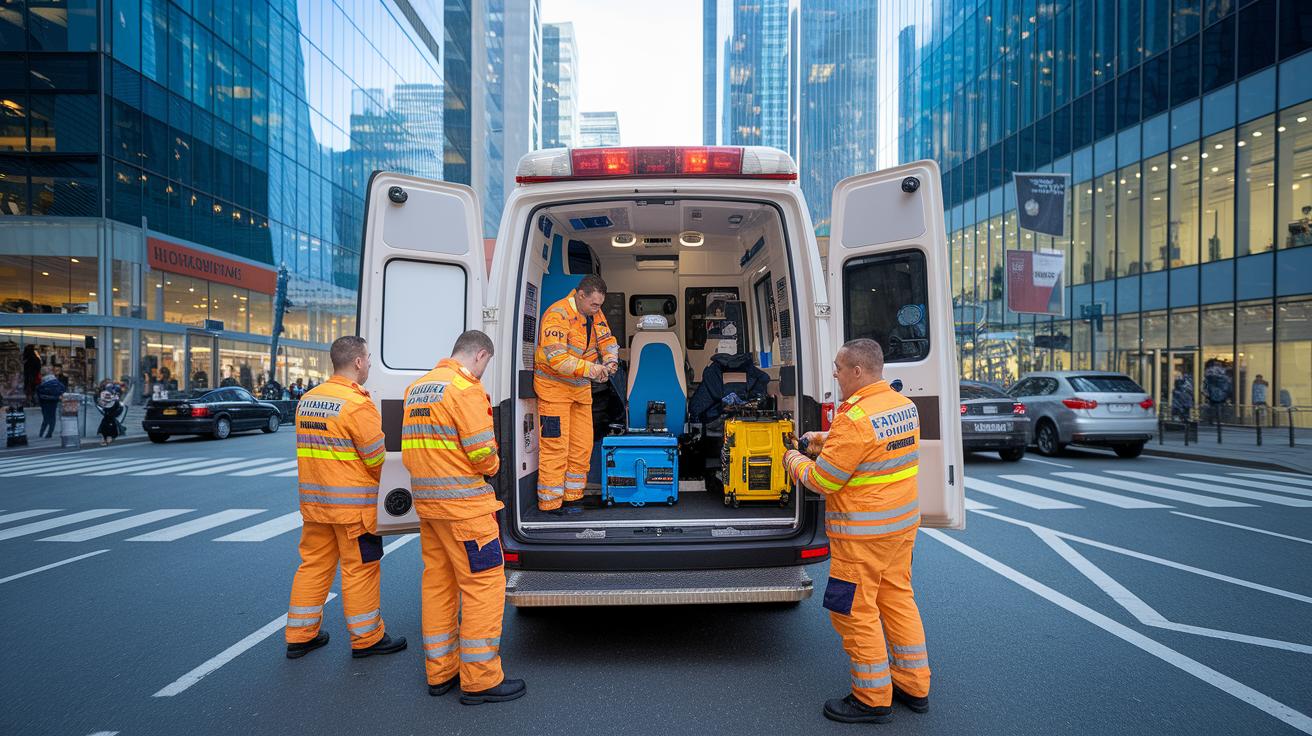
When an emergency is reported, mobile medical teams jump into action. Using top-notch technology and time-tested protocols, dispatch centers quickly send critical details to response teams. For example, there was one time when a perfectly timed dispatch saved vital seconds, leading to a life-saving intervention. An incident command system carefully guides every move, making sure the right team gets to the right place in record time.
Before the vehicles even roll out, the crew double-checks everything. Picture a team going over their medical kits, fuel, and fastest routes, then huddling up for a quick briefing. Every detail is covered so they’re 100% ready to handle the pressure.
- Dispatch & Routing
- Vehicle Mobilization
- On-Scene Medical Readiness
- Transport & Handoff
Every stage of this process relies on clear communication and rapid, well-practiced actions. As soon as a call comes in, mobile response units shift from alert mode to full action using advanced dispatch systems. Once they're on the road, vehicle checks and crew briefings become top priorities. At the scene, trained medical professionals use their expertise and modern equipment to stabilize patients and move them quickly to a hospital.
Covering more than 500 miles and serving over half of the U.S. and Canadian population, including being Michigan’s largest geographical ambulance provider across 17 counties, this cycle of operations shows a robust, responsive system that genuinely saves lives.
Essential Equipment and Staffing in Mobile Medical Response Operations
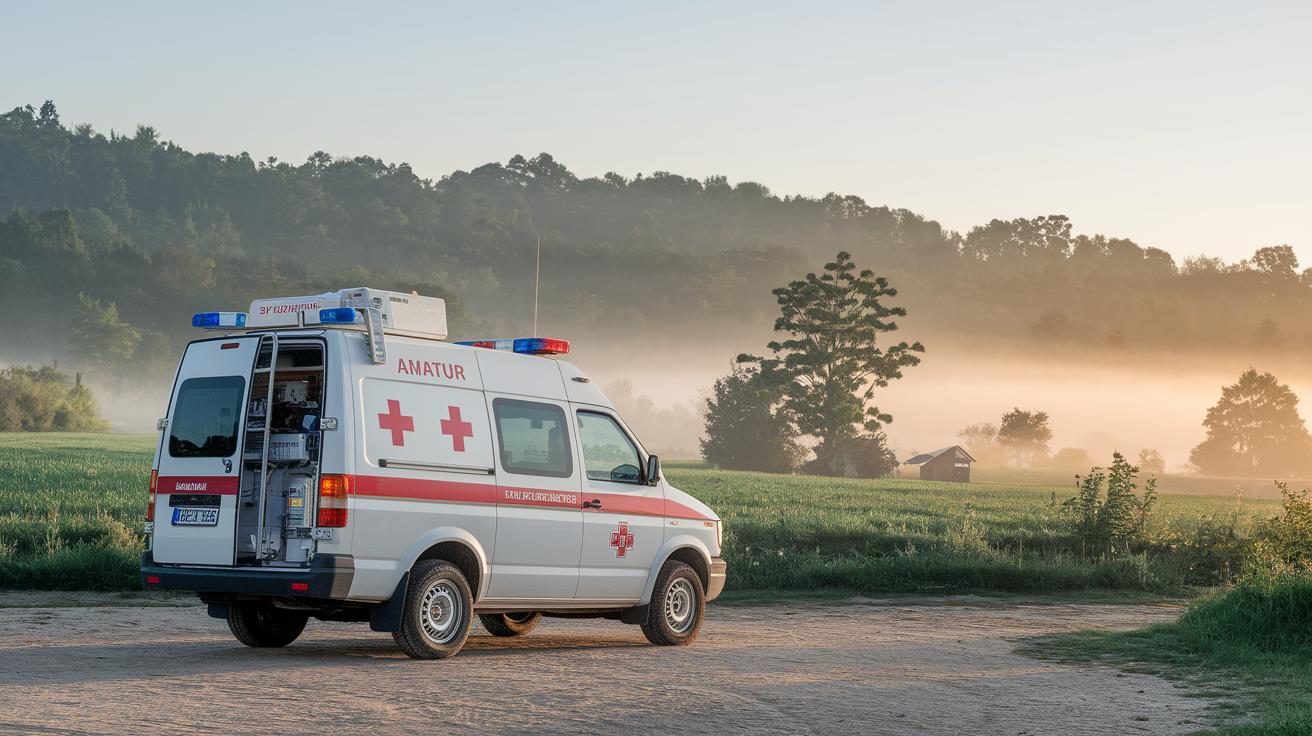
Our mobile care system is built around a mix of vehicles that are ready to jump into action when you need help. We use basic, advanced, and critical care ambulances, plus specialized wheelchair vans. Each vehicle comes loaded with lifesaving tools like oxygen tanks, defibrillators, and trauma kits. Certified EMTs and paramedics, who are trained for fast, on-the-move care, operate these vehicles. Trusted medical dispatch services make sure every call gets the right support with up-to-date medical standards.
We know that being ready means always learning, so our team regularly refreshes their skills in CPR, BLS, EMT, and Paramedic courses. This approach keeps everyone sharp and prepared to handle any situation with confidence and care.
| Vehicle/Equipment Type | Quantity/Capacity | Primary Staff Role |
|---|---|---|
| Basic Care Ambulance | 1 Patient | EMT |
| Advanced Care Ambulance | 1 Patient | Paramedic |
| Critical Care Ambulance | 1 Patient | Critical Care Team |
| Wheelchair Van | Multiple | Accessibility Specialist |
This well-organized plan ensures our mobile healthcare units and dedicated teams are always set to deliver quick, high-quality care when it matters most.
Types of Incidents Handled by Mobile Medical Response Services
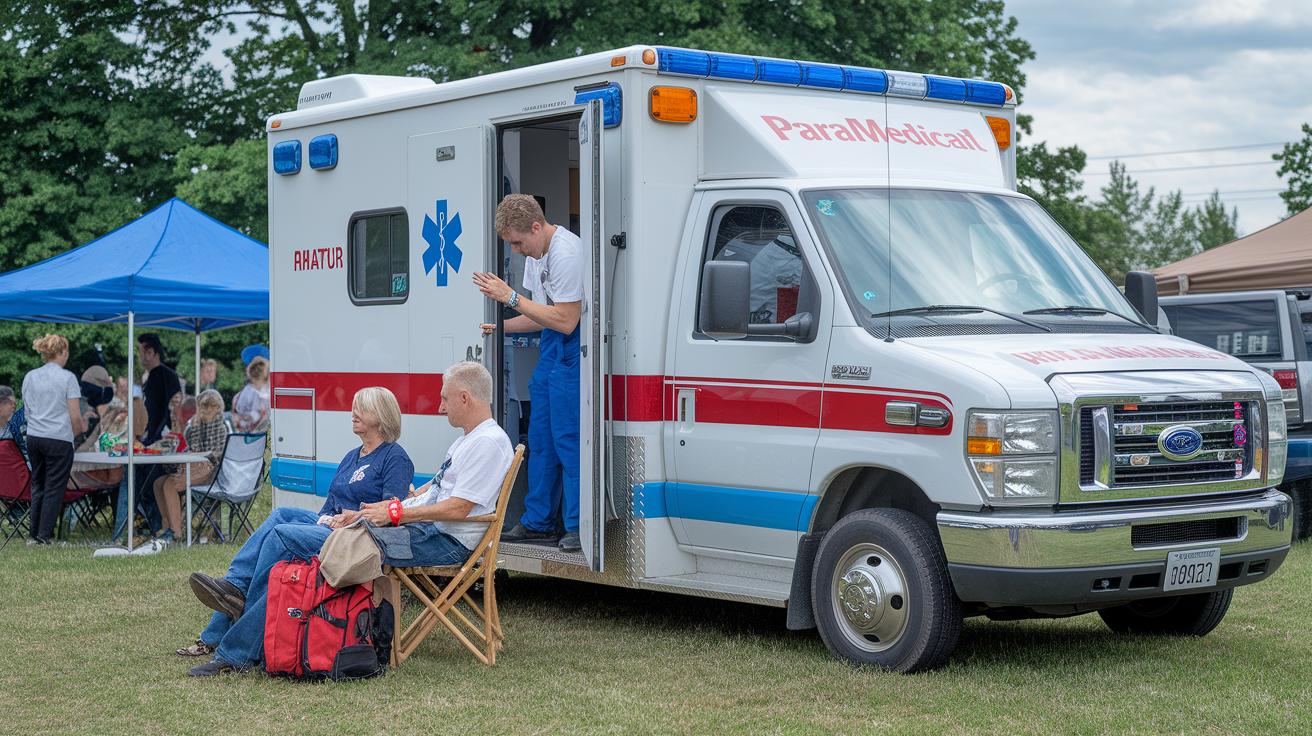
When emergencies strike, mobile medical teams jump into action without hesitation. They tackle critical situations and sudden injuries with sharp focus, partnering with local command centers during disasters to stabilize patients in record time. Every second counts, and these teams know it.
They also pitch in at community events and large public gatherings, ready to handle anything from minor scrapes to unexpected health issues. With quick ambulatory care on hand, they turn what could be a crisis into a well-managed incident, keeping everyone safe and sound.
And when the situation isn't life-threatening, non-emergency wheelchair van transports are available to offer scheduled or on-call support. This setup helps patients get the care they need without overloading emergency services, showing just how adaptable and reliable mobile medical response teams can be.
Operational Protocols and Procedures in Mobile Medical Response
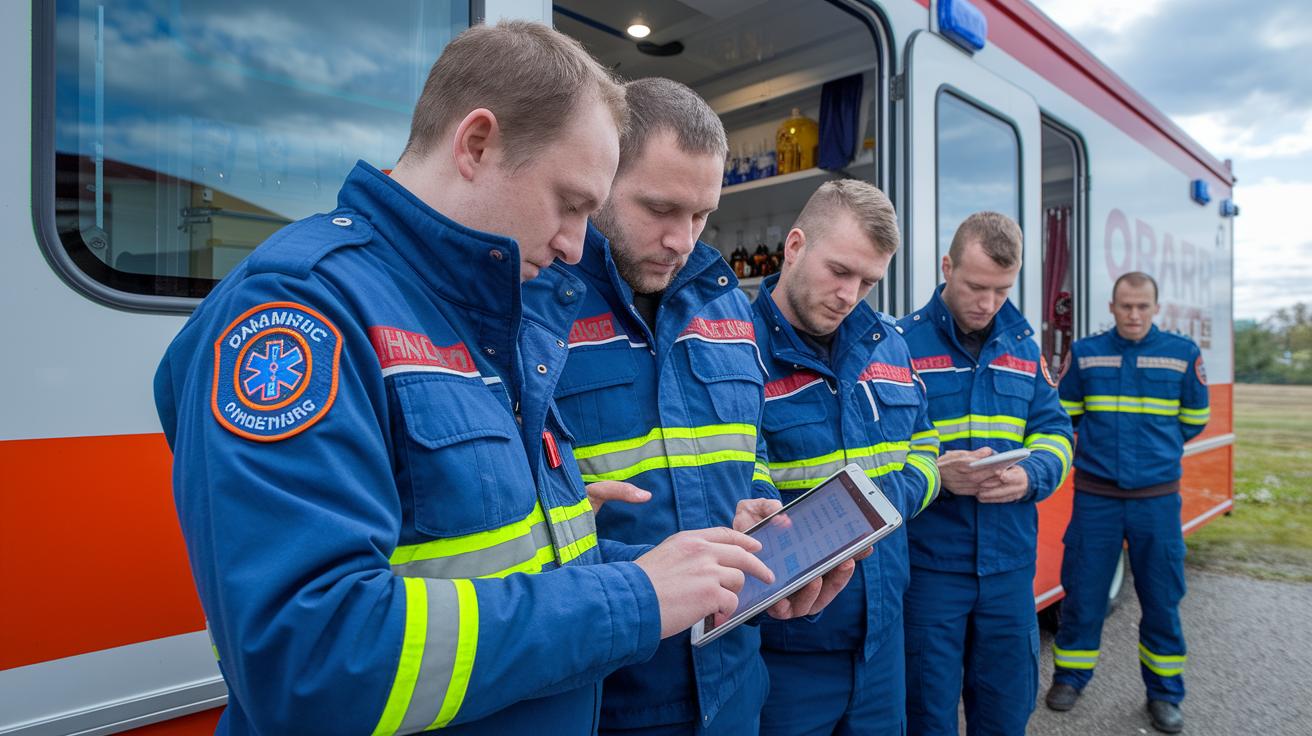
When an emergency strikes, our mobile medical team kicks into action with a crystal-clear chain of command. Accredited dispatch systems feed real-time updates into our command center, and our teams spring to life as soon as an alert goes off. Imagine receiving a signal and instantly mobilizing, all members getting quick, concise briefings so they’re ready to deliver care right away. We use proven, streamlined communication methods that help us make fast decisions when every second counts.
Each emergency vehicle is checked thoroughly and equipped with in-vehicle monitoring technology that keeps everyone in the loop about its status. This clever setup not only confirms that each unit is ready but also guides responders through standard protocols once they’re on scene. For instance, a crew member might double-check vital equipment like defibrillators and oxygen kits while staying connected with the dispatch center through real-time updates.
We’re all about continuous improvement too. After every call, we collect detailed insights using Dispatcher Feedback Forms and secure, HIPAA-compliant record-keeping. Regular reviews ensure that our service, dispatch center, paramedic training, and fleet maintenance live up to strict accreditation standards. This system of checks keeps our emergency response efficient and reliable, ensuring we’re always ready to deliver rapid, top-notch care when crises unfold.
Advantages of Mobile Medical Response Over Traditional EMS
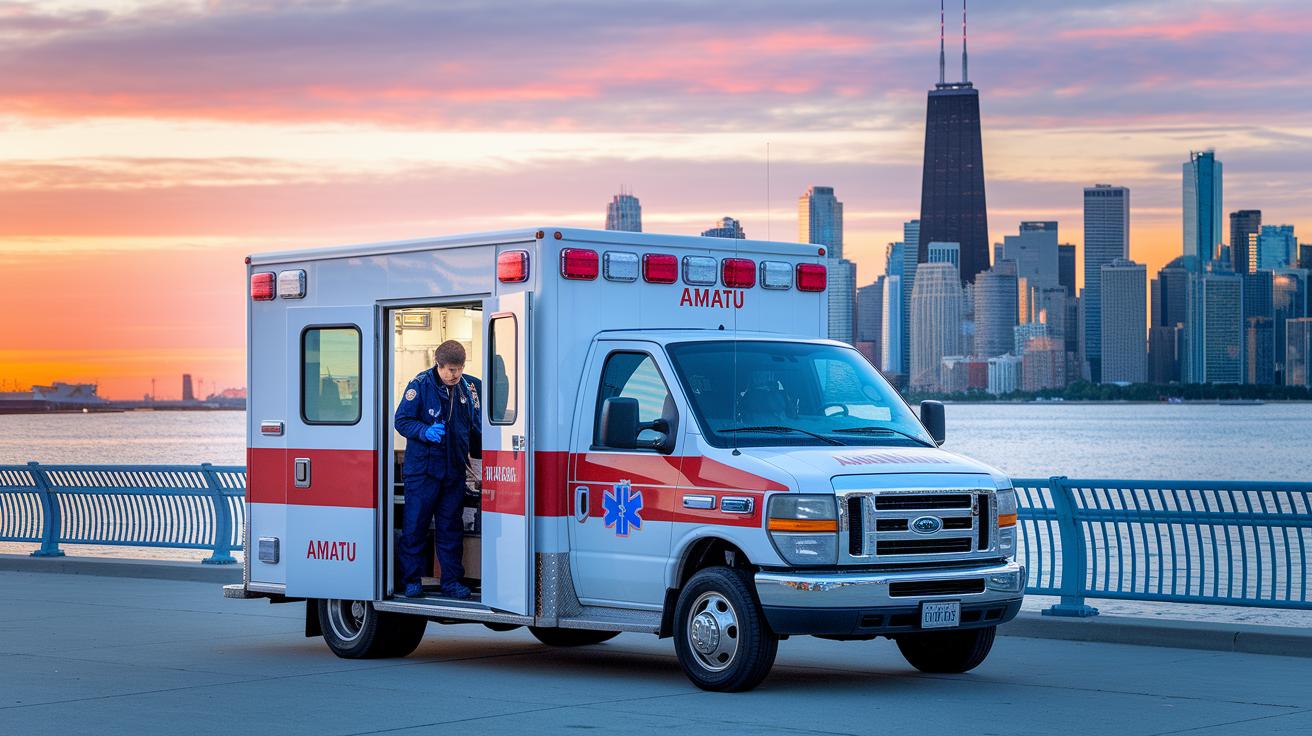
Mobile units use sharp, well-tuned systems that help them get moving fast. Their on-the-go care is all about speeding up response times, so when an emergency happens, help arrives without delay. For example, smart dispatch and quick pre-departure checks set off a fast chain reaction that can really make a difference. In many cases, this brisk response leads to better outcomes for patients compared to the slower pace of fixed-station EMS.
These mobile teams cover a huge area, reaching both city streets and remote rural roads. Their flexible fleets are built to handle various terrains and distances, ensuring that even the most isolated communities aren’t left waiting. This broad reach stands in stark contrast to traditional setups, which often struggle with longer wait times simply because they are tied to one location.
And it’s not just about speed or coverage, the care itself is top-notch. Friendly, well-trained crews deliver consistent, high-quality pre-hospital care. They keep tabs on their performance with regular reviews and rating checks. This constant focus on quality means that these teams are not only quick on the trigger but also maintain excellent care standards in every situation.
Mobile Medical Response: Rapid Care in Action

Imagine a team that does more than just rush to emergencies, they’re out in the community, making sure everyone’s ready when seconds count. Mobile medical response units not only answer calls; they host fun, hands-on CPR and AED sessions, set up health fairs, and run first responder workshops that empower local residents with life-saving skills.
These programs are made for everyone, whether you’re a curious community member or someone dreaming of a career in EMS. You can dive into courses covering First Aid, Basic Life Support, EMT, Paramedic, and EMR, all designed with real-world tips you can feel. Plus, there’s an Instructor Coordinator program that builds strong leaders who pass on these valuable lessons.
By mixing skill training with leadership mentoring, these teams help sharpen both your hands-on techniques and your emergency planning smarts. It’s all about creating a trusted network of skilled individuals ready to support and guide their communities when it really matters.
Service Coverage and Provider Network in Mobile Medical Response
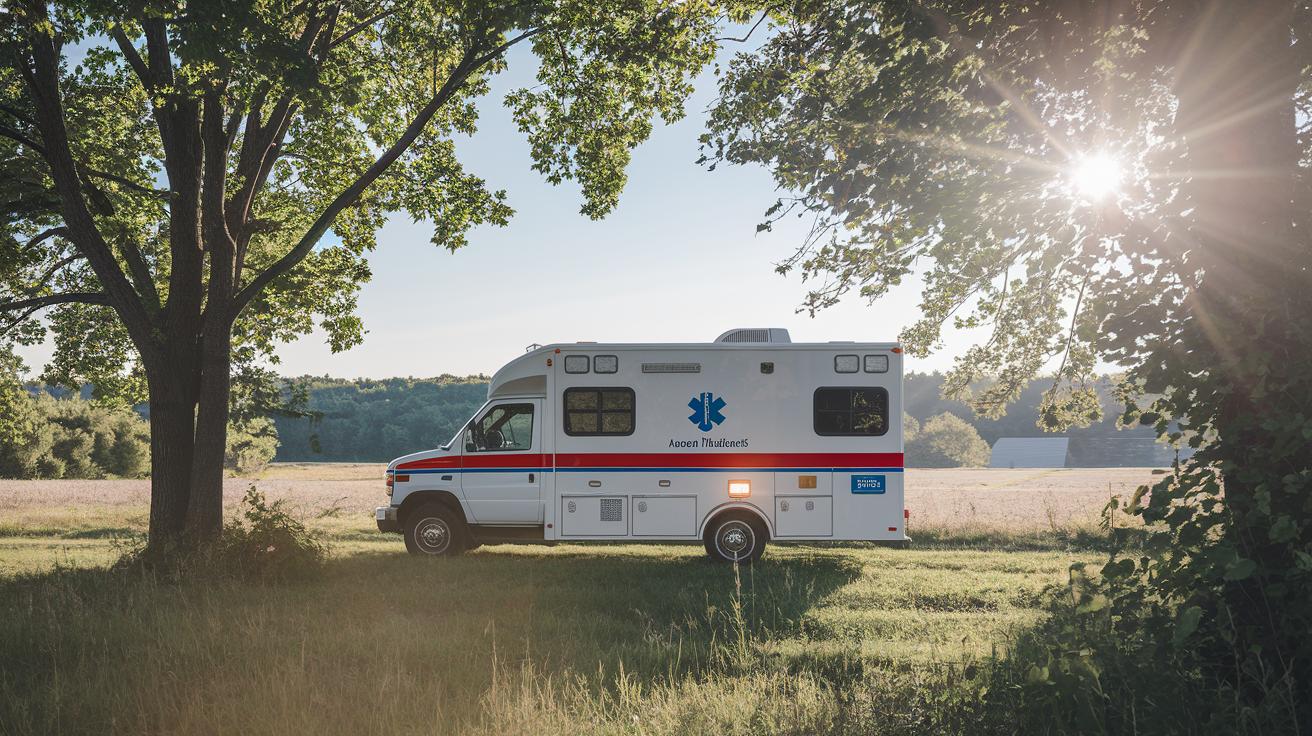
Mobile medical response covers a huge area, reaching over half of the people in the U.S. and Canada within a 500-mile radius. As Michigan’s biggest ambulance network, it serves 17 counties with quick, reliable care. Teams based in Saginaw, Lansing, and Flint help dispatch units rapidly, whether in busy cities or quiet rural spots.
These providers work closely with local agencies and emergency teams to blend mobile care into regional health systems. This teamwork makes it easy for patients to move from on-scene care to hospital treatment. By linking up with community dispatch centers, Midwest emergency teams can respond faster, even when the situation gets tough. These strong connections boost resource sharing and support continuous improvements in emergency response.
Advanced dispatch systems keep an eye on every unit in real time, guiding crews along the fastest routes and ensuring they have the right tools for each call. Keeping in touch between field teams and central hubs cuts down on delays and helps deliver top-notch care. This smart coordination of people, vehicles, and tech makes sure every call is answered as quickly and efficiently as possible.
Final Words
In the action, we reviewed the step-by-step process of deploying mobile response units, highlighting key stages from dispatch through on-scene care. We looked at crew readiness, essential protocols, and how advanced equipment supports rapid emergency intervention.
This piece breaks down the deployment cycle and community outreach efforts, showing how experience and modern practices converge. Mobile medical response remains a standout method, offering efficient, compassionate care across wide regions and inspiring confidence in emergency services.
FAQ
Mobile medical response flint
The inquiry about Mobile Medical Response Flint highlights the emergency services offered in Flint, where pre-hospital care and rapid response are tailored to meet local needs.
Mobile medical Response billing
The inquiry about Mobile Medical Response billing explains that the billing process includes invoicing and coding for emergency services, following standardized procedures to guarantee accurate reimbursement.
Mobile Medical Response leadership
The inquiry on Mobile Medical Response leadership refers to the experienced team that guides operations, makes strategic decisions, and ensures that emergency services are both effective and reliable.
Mobile Medical Response Traverse City
The inquiry regarding Mobile Medical Response Traverse City focuses on how the service extends its rapid emergency care and on-scene medical assistance into the Traverse City area.
Mobile Medical Response reviews
The inquiry about Mobile Medical Response reviews points to customer feedback and service ratings that reflect the quality, responsiveness, and overall reliability of their emergency care.
Mobile Medical Response lansing
The inquiry concerning Mobile Medical Response Lansing indicates that the service operates in Lansing, providing timely pre-hospital care and establishing a strong regional presence.
Mobile Medical Response jobs
The inquiry about Mobile Medical Response jobs involves career opportunities in emergency medical services, including roles for EMTs, paramedics, dispatchers, and other support staff across various locations.
Mobile medical response facebook
The inquiry on Mobile Medical Response Facebook highlights their active communication channel, where updates, emergency tips, and community interactions are shared in real time.
How much does mobile medical response pay?
The inquiry regarding pay for Mobile Medical Response focuses on competitive wage rates that vary by role, experience, and location within the emergency services industry.
What does MMR mean on an ambulance?
The inquiry about what MMR means on an ambulance explains that MMR stands for Mobile Medical Response, indicating that the vehicle is operated by a team providing urgent pre-hospital care.
Is American medical Response a real company?
The inquiry regarding American Medical Response confirms that it is a legitimate and established emergency service provider with operations across the United States.
How long is EMT training in Michigan?
The inquiry into EMT training in Michigan reveals that training typically lasts from several weeks to a few months, depending on the program and certification level required.