Featured
Maximizing Your Mini Oasis: How to Make the Most Out of a Small Terrace Space
By News Edition
September 23, 2026
Field Notes
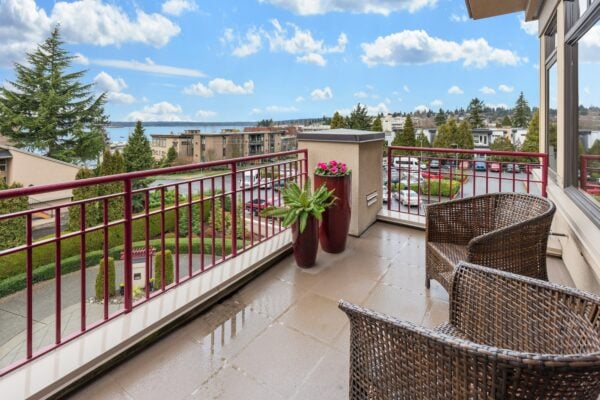
Having a private outdoor space in the city feels like winning the lottery, but when that space consists of just a tiny balcony or a compact terrace, figuring out how to actually use it can quickly become overwhelming. You probably want a place to drink your morning coffee, entertain a few friends on the weekend, and maybe grow some fresh herbs for your kitchen. When square footage runs tight, trying to squeeze all those functions into one spot usually results in a cluttered, unusable mess. However, a small footprint doesn’t mean you must sacrifice style or comfort.
With a bit of strategic planning and expert advice on custom landscaping, you can transform a cramped concrete slab into a lush, inviting outdoor retreat. Designing a small terrace just requires a different approach, focusing intently on scale, vertical space, and clever multi-purpose choices. Let’s explore exactly how you can maximize every single inch of your compact outdoor oasis.
Think Vertically Instead of Horizontally
When floor space represents your most limited resource, you’ve got to look up. Treat your walls and railings as usable real estate to instantly expand your terrace’s potential. Instead of crowding the ground with bulky terracotta pots, install hanging planters or wall-mounted shelving to hold your greenery. A living wall acts as an incredible way to surround yourself with nature without sacrificing a single square foot of walking room.
You can attach a wooden trellis to a bare brick wall and train climbing vines like jasmine or ivy to grow upward, creating a vibrant, green backdrop. This upward approach naturally draws the eye higher, making the entire area feel taller and much more expansive than it actually is. It keeps the ground clear, ensuring the space remains open, walkable, and entirely functional for you and your guests.
Invest in Multi-Functional Furniture
The furniture you choose will make or break your terrace design. Buying standard patio dining sets will instantly swallow up all your available room, leaving you feeling physically trapped. The key to small-space design is choosing pieces that serve more than one purpose.
Look for a sturdy wooden bench featuring built-in storage underneath the seat. This clever design gives you a comfortable place to sit while hiding away your watering cans, extra cushions, and gardening tools. If you enjoy eating outside, consider a sleek bistro table that folds completely flat when you aren’t using it, or a railing-mounted bar table taking up zero floor space. Nesting tables and stackable chairs provide another perfect solution. You can pull them out when guests arrive and easily tuck them away in a corner when you want room to roll out a yoga mat.
Define Zones with Flooring and Rugs
Even the smallest terrace benefits from clearly defined zones. When you visually break up the space, it tricks the brain into perceiving the area as significantly larger. You don’t need physical walls to pull this off. The easiest way to create a boundary involves utilizing a stylish outdoor rug.
Placing a weather-resistant rug underneath a pair of chairs instantly creates a dedicated lounging zone, separating it from the rest of the balcony. If you enjoy a slightly larger layout, you might use interlocking wooden deck tiles on one half for a cozy dining area, leaving the original concrete on the other half for your potted plant collection. These subtle shifts in texture and color establish distinct rooms within the outdoor layout. It brings a cozy, finished interior feel to the outside, turning a raw architectural feature into a true extension of your living room.
Layer Your Lighting for Visual Depth
A dark terrace feels small and unwelcoming. Proper lighting remains essential for making the space usable after the sun goes down, but a single harsh overhead bulb will make the area feel sterile and uninviting. To create visual depth and warmth, you need to layer your light sources.
Start by draping a strand of warm-toned cafe lights along the railing or across the ceiling to provide a soft, ambient glow over the entire space. Next, place a few solar-powered lanterns on your side tables or tuck them into the corners of the terrace. If you keep tall plants, nestle a few small LED spotlights at the base of the pots facing upward toward the leaves. This layered approach eliminates harsh shadows, highlights your beautiful plants, and creates a soft, inviting atmosphere that makes the terrace feel like a relaxing nighttime retreat.
Select the Right Plants for the Scale
A terrace isn’t a sprawling suburban backyard, so you can’t treat the planting strategy the same way. Buying plants that grow too wide will quickly crowd you out of your own seating area. You’ll want to focus entirely on scale and proportion.
Choose tall, slender plants like arborvitae, bamboo, or decorative ornamental grasses to add height and privacy without encroaching on your walking space. Mix in a variety of smaller, cascading plants in hanging baskets to blur the hard edges of your metal or concrete balcony railings. It’s also important to stick to a cohesive color palette. A chaotic mix of bright floral colors can make a small space feel busy and visually cluttered. Sticking to a soothing scheme of varied greens with one or two accent colors keeps the overall design feeling calm, organized, and remarkably spacious.
Enjoying Your New Outdoor Room
Creating your dream outdoor space doesn’t require a sprawling lawn or endless square footage. A compact terrace simply forces you to be intentional with every choice you make, resulting in a highly curated, deeply personal retreat. By taking full advantage of your vertical space, selecting smart, multi-functional furniture, and layering your lighting, you can craft a beautiful sanctuary right outside your door. Embrace the cozy dimensions, let your creativity flow, and turn that small concrete footprint into your favorite room in the entire house.