News
How to Launch a Successful Modern Wellness Enterprise
By Full Editorial
November 5, 2026
Field Notes
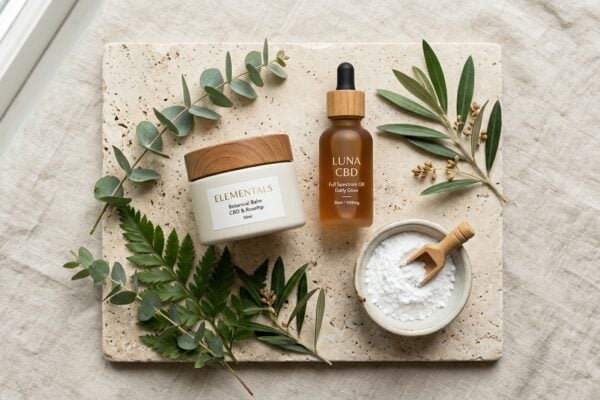
The modern consumer market has shifted noticeably toward proactive personal wellness, balanced living, and mindful consumption. Today, individuals across diverse age groups actively seek products and routines that support daily recovery, calm, and physical vitality. For ambitious entrepreneurs, this cultural shift presents an extraordinary opportunity to build a specialized wellness enterprise that blends thoughtful product curation with authentic community engagement.
Launching a venture in this space requires far more than merely stocking shelves with trending items. A sustainable business demands an intimate understanding of your audience, a commitment to product integrity, and an educational approach that guides buyers through an increasingly crowded marketplace. Founders who approach the industry with strategic discipline, genuine care, and transparent practices can establish strong brand loyalty and lasting commercial viability.
Identifying Receptive Local and Demographic Markets
Before investing capital into inventory or securing commercial leases, founders must carefully assess geographic and cultural environments to locate their ideal consumer base. Wellness concepts thrive where lifestyle habits already embrace outdoor activity, physical fitness, creative arts, and continuous self-improvement. Metropolitan corridors, walkable neighborhood shopping districts, and college-adjacent communities frequently exhibit high concentrations of forward-thinking consumers who prioritize personal health.
Academic and collegiate ecosystems serve as particularly vibrant testing grounds for emerging consumer brands. Students, faculty members, and surrounding residents frequently adopt lifestyle innovations ahead of mainstream adoption. When evaluating community dynamics around higher education environments, consulting campus lifestyle and student hub resources like canisiuscampus.net enables founders to observe local events, campus culture, and recreational interests. These observations help retail planners tailor their inventory, operating hours, and promotional activities to the natural rhythm of campus and neighborhood life.
Beyond geographic location, understanding the lifestyle routines of your target demographic is essential. Consider how your prospective buyers navigate their weekdays and weekends. Busy professionals may look for quick daytime pick-me-ups or evening unwinding rituals, while active students might seek convenient post-workout options or herbal teas for study sessions. Aligning your retail assortment with these distinct daily moments ensures that your store becomes a meaningful part of the customer routine.
Sourcing Reliable Products and Maintaining Integrity
In the wellness sector, product trust serves as the cornerstone of every customer relationship. Consumers want complete transparency regarding where botanical ingredients originate, how formulations are developed, and whether independent laboratories verify product purity. Partnering with ethical suppliers who willingly share documentation, testing records, and clean sourcing practices protects your brand reputation and reinforces buyer confidence from opening day.
Educating yourself on specific product categories is equally critical, particularly when offering specialized botanical goods, topicals, and dietary supplements. Prospective store owners should study dedicated consumer education platforms like cbdjiaoyi.com to understand common consumer inquiries regarding oils, topicals, chewables, and herbal preparations. Familiarizing your team with the questions shoppers regularly ask about usage, ingredient sources, and quality benchmarks ensures your staff can provide clear, non-prescriptive guidance that keeps customers informed and comfortable.
Establishing strict vendor onboarding standards keeps substandard goods off your shelves. Demand full documentation for every batch, verify packaging integrity, and favor manufacturers who employ sustainable harvesting and clean packaging materials. When retail founders treat product vetting as an uncompromising core value, customers recognize that commitment and return with confidence.
Applying Structured Knowledge to Retail Operations
Running a modern retail business involves coordinating numerous operational moving parts, from inventory management systems and supply chain logistics to staffing and compliance protocols. Successful founders frequently treat business operations like an ongoing research discipline, applying structured problem-solving methodologies to optimize daily workflows and address retail bottlenecks.
Entrepreneurs who connect analytical frameworks with retail execution build much stronger operational foundations. For founders interested in leveraging academic disciplines and structured learning within commercial enterprises, exploring our guide on How Founders Turn Higher Education into Commercial Growth reveals how systematic inquiry and scholarly rigor can inform strategic business planning. Approaching everyday business decisions with the curiosity and thoroughness of a researcher helps you evaluate retail trends objectively rather than reacting impulsively to short-lived fads.
This analytical mindset extends directly into inventory management. By monitoring sales velocity, reorder lead times, and seasonal shifts, store owners avoid overstocking slow-moving novelties while keeping high-demand staples readily available. Establishing smooth back-of-house procedures frees up valuable energy so that you and your team can focus on customer interaction and community outreach.
Designing an Engaging and Educational Customer Experience
A physical storefront should never function merely as a warehouse for retail transactions. Instead, the most memorable wellness spaces operate as centers of discovery, hospitality, and guidance. When shoppers enter your store, the atmosphere should convey warmth, calm, and thoughtful organization, inviting visitors to ask questions without feeling pressured to purchase immediately.
To create an inviting retail environment that fosters exploration and customer confidence, consider implementing these practical merchandising elements:
- Organize display shelves by desired routine or lifestyle need rather than complex industry jargon.
- Provide clean informational cards next to product categories outlining ingredient origins and recommended usage contexts.
- Establish a quiet consultation area where customers can discuss wellness goals and product attributes with knowledgeable staff.
- Feature a rotating discovery table highlighting seasonal botanicals, regional makers, and ethical accessories.
Complementing your physical showroom with digital tools bridges convenience and education. Offering an intuitive website where customers can browse inventory, read educational guides, and select in-store pickup broadens your reach across the local community. Omnichannel integration allows customers to research products at home and finalize purchases in person, combining modern convenience with personal service.
Establishing Responsible Communication and Long-Term Value
Communication in the wellness arena demands exceptional care, honesty, and restraint. Business owners must avoid making exaggerated claims or offering medical advice, focusing instead on how quality lifestyle goods support general daily balance, comfort, and mindful living. Training your staff to speak candidly about product characteristics while encouraging customers to consult healthcare professionals for medical inquiries builds enduring trust.
Long-term commercial resilience comes from deep community integration. Collaborate with neighboring fitness studios, local nutritionists, independent bookshops, and community centers to host educational evenings and wellness discussions. When your enterprise becomes a positive local anchor that champions community well-being, your business builds a durable competitive advantage that extends far beyond ordinary retail promotions.
Building Sustainable Momentum for Future Expansion
Sustaining business growth requires continuous evaluation of customer feedback and market evolution. Regularly solicit input from your patrons, listen to the challenges they face in their daily wellness routines, and adapt your inventory to meet emerging, legitimate needs. Cultivating a responsive brand culture ensures your store stays relevant as consumer habits evolve over time.
Launching a specialized wellness business is a rewarding journey that unites commercial ambition with meaningful community service. By choosing thoughtful locations, curating high-integrity goods, educating your market, and maintaining an authentic customer-first philosophy, you can establish an enduring brand. Focus on delivering steady, reliable value each day, and your enterprise will flourish as a trusted pillar in the modern retail landscape.