News
How to Launch a Corporate Healthy Meal Delivery Business
By Full Editorial
November 11, 2026
Field Notes
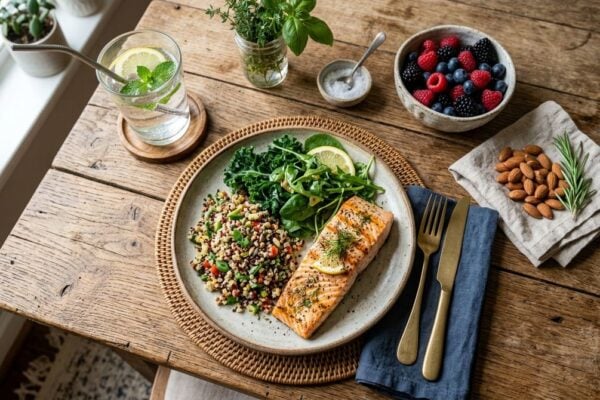
Modern workplaces face a persistent dilemma when lunchtime arrives. While employees want nutritious, wholesome food that supports steady energy through the afternoon, nearby dining options often skew toward heavy fast food, greasy takeout, or repetitive deli sandwiches. At the same time, companies recognize that team well-being directly influences daily morale, collaboration, and focus. This ongoing tension creates a compelling opening for enterprising food founders: building a dedicated corporate meal delivery venture centered on fresh, balanced lunches delivered directly to office headquarters.
Identifying the Workplace Nutrition Gap
Launching a successful corporate meal service begins by understanding the daily patterns of modern office life. Unlike residential meal delivery, which manages single drops across spread-out neighborhoods, a corporate model thrives on delivery density. Serving multiple workers within one building streamlines routes and cuts transport costs while building a steady customer base. Capturing this audience requires food that supports daytime focus through clean preparation and mindful seasoning. Tracking shifts in hospitality, ingredient sourcing, and workplace culinary expectations through publications such as foody-goody.com helps founders identify emerging taste profiles and understand what modern corporate clients truly value on their tables.
To pinpoint your initial niche, spend time observing commercial corridors in your target city. Look closely at mid-sized firms, creative agencies, technology offices, and law practices where teams frequently work through lunch or host midday client sessions. These organizations regularly seek dependable catering alternatives that align with healthy lifestyles without demanding excessive administrative coordination. By focusing on businesses with growing teams, you can discover clients large enough to generate consistent volume yet agile enough to make vendor decisions without months of bureaucratic review.
Corporate lunch programs typically fall into distinct payment structures. Some employers subsidize meals entirely as a wellness benefit, while others establish a designated drop window where employees order and pay individually through a shared company link. Understanding which structure an office prefers allows you to present a customized proposal that solves their specific logistical challenge, whether that involves streamlined monthly invoicing or individual digital payment processing.
Designing a Menu Grounded in Daily Vitality
Menu design is the cornerstone of your operational efficiency and customer satisfaction. In a corporate setting, meals must travel exceptionally well, remain visually appealing after transport, and taste delicious at room temperature or with gentle reheating. Prioritize hearty grain bowls, roasted vegetable platters, marinated legumes, and lean proteins tossed with herb-infused dressings that do not wilt fragile greens. Avoiding heavy cream sauces, deep-fried elements, and excessive refined sugars ensures that clients experience a clean, sustained lift in focus throughout the workday rather than a mid-afternoon energy slump.
Consistency in ingredient quality builds long-term brand equity faster than novelty. When planning seasonal rotations, look for foods known to support gut health, stamina, and clean digestion. Incorporating guidance and wellness concepts from Eat Well And Live Long can help culinary entrepreneurs select wholesome staples that promote balanced living and everyday physical vitality. Highlighting nutrient-dense components such as steamed quinoa, dark leafy greens, citrus vinaigrettes, and roasted root vegetables provides office workers with familiar yet restorative dining choices that keep them coming back week after week.
Dietary flexibility must also be built directly into your core recipes rather than treated as an afterthought. Modern offices encompass diverse nutritional preferences, including gluten-free, dairy-free, vegetarian, and plant-based diets. Designing modular dishes where kitchen staff can easily substitute proteins or adjust dressings without disrupting the entire prep line allows your business to cater to whole departments seamlessly.
Building Scalable Production and Delivery Operations
Behind every reliable food service operation lies a disciplined production schedule. Instead of taking on the crushing overhead of a standalone brick-and-mortar restaurant lease, aspiring delivery entrepreneurs can rent commercial commissary space during off-peak hours. Working during early morning shifts allows your culinary team to prep, cook, cool, and pack meals in a fully inspected facility while keeping overhead costs manageable. Standardizing batch recipes ensures that every portion matches your nutritional benchmarks and presentation standards regardless of who is working the prep line.
- Securing licensed commissary kitchen shifts during off-peak morning hours
- Establishing strict portioning templates to maintain consistency and control ingredient waste
- Using insulated delivery bags and ice packs to protect temperature sensitive items
- Designing standardized ordering cutoff times so kitchen prep runs smoothly
Packaging also plays a critical role in preserving culinary integrity during transport. Clear, compostable containers with secure compartmentalization prevent dressings from soaking into grains or warm components from steaming crisp greens. Investing in sturdy, eco-conscious packaging communicates environmental responsibility, an attribute that resonates strongly with corporate wellness committees and modern office teams.
Delivery logistics make or break client trust in the corporate food sector. Unlike evening home deliveries, where a minor delay might cause modest annoyance, an office lunch delivered late can disrupt tightly scheduled board meetings or executive presentations. Group your initial deliveries by geographical clusters, mapping routes that minimize traffic bottlenecks during the late morning rush. Investing in reliable insulated carriers and training drivers to navigate corporate reception desks with professional courtesy turns delivery handoffs into positive touchpoints that reinforce your brand reputation.
Acquiring Your First Corporate Clients
Securing your first batch of recurring business accounts demands a direct, personal outreach strategy. Rather than spending resources on broad social media advertisements that reach scattered individual consumers, direct your energy toward the actual workplace decision-makers. Office managers, human resources specialists, and executive assistants carry the responsibility of arranging office lunches, managing team celebrations, and supporting workplace wellness perks. Reach out to these administrators with a polite introduction and an offer to drop off a complimentary tasting package for their leadership team.
A hands-on tasting allows key decision-makers to evaluate presentation, flavor, and packaging firsthand without commercial risk. During these initial conversations, emphasize your reliability, flexible dietary accommodation, and transparent ingredient sourcing. Many hospitality fundamentals, as outlined in our guide on how to build a How to Build a Plant-Forward Neighborhood Dining Concept, translate seamlessly into corporate catering, especially when cultivating trusted relationships with local suppliers and communicating your kitchen philosophy. When administrators see that your brand takes seasonal quality seriously, they become eager advocates inside their organizations.
Managing Client Retention and Feedback Loops
Retaining corporate catering accounts requires continuous attention to variety and service reliability. Even a delicious menu causes palate fatigue if workers see identical options week after week. Implement a rotating menu cycle that introduces seasonal sides and dressings each month while preserving popular core staples. Maintaining a simple feedback channel, such as a quick digital response link on each container, gives diners an easy way to share comments with your kitchen team. When delivery hiccups or last-minute meeting additions arise, swift communication and prompt solutions protect client trust.
Customer retention also expands when you reward account champions. Administrative staff members frequently shoulder the stress of coordinating office events and keeping dietary requirements organized. Providing designated account coordinators with priority customer support, streamlined order confirmations, and personalized check-ins transforms functional business relationships into durable long-term partnerships.
Building a corporate healthy meal delivery enterprise requires patience, culinary discipline, and attentive customer service. By addressing the genuine need for clean, energizing workplace lunches and executing flawless daily deliveries, food founders can establish an enduring brand that commands recurring commercial revenue. Start with a focused delivery zone, listen carefully to your early office partners, and refine your operational workflows step by step. With a steady commitment to culinary excellence and operational precision, your business can become an indispensable asset to workplaces across your region.