Enterprise Security Options for BlackBerry 10 Devices Explored
By Full Editorial
November 19, 2026
Field Notes
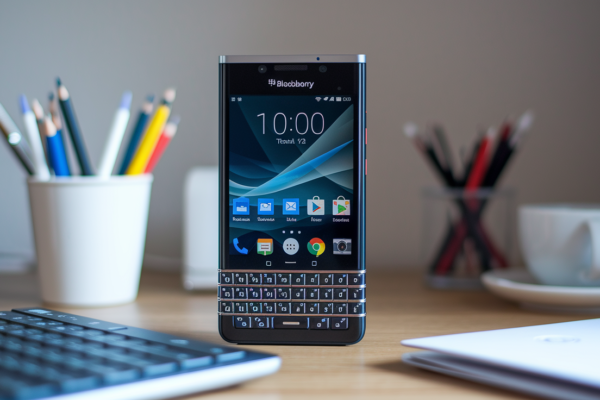
Think BlackBerry 10 is too old for enterprise security?
BlackBerry 10 put management, device encryption, BlackBerry Balance, VPN, and PKI at the center of its design.
But availability years ago isn’t the same as operational fit today.
This article walks through the platform’s core options, flags what admins must verify now, including server and UEM compatibility, certificate validity, and app function, and gives clear next steps so you can decide whether a BlackBerry 10 fleet still meets your security requirements.
BlackBerry 10 Security Options at a Glance
BlackBerry 10 was built around the idea that enterprise security shouldn’t be an afterthought bolted onto a consumer phone. The platform’s core security options include BES management, BlackBerry Balance for work and personal separation, device encryption, VPN and PKI support, application controls, compliance policy enforcement, and remote wipe. Each piece was designed to work together rather than stand alone. That matters when you’re trying to figure out whether a fleet of BB10 devices still fits your security posture today.
Here’s the catch though. Having these features historically available isn’t the same as having them operationally sound right now. Before you retain or deploy any BlackBerry 10 device, admins need to verify server compatibility with current management infrastructure, confirm vendor support status, check certificate validity, and test whether critical applications still function as expected. BlackBerry 10 government security certification is worth a read here, since it documents the FIPS 140-2 cryptographic certification the platform earned before its Q1 2013 commercial launch. That detail still matters for government procurement teams doing due diligence on legacy devices. This legacy-platform caution applies across the rest of this article. We won’t repeat it in later sections, they’ll just flag the specific compatibility checks relevant to their topic.
| Security Option | Primary Purpose | Best-Fit Deployment | Current Verification Needed |
|---|---|---|---|
| BES/UEM Management | Central policy enforcement and device oversight | Fleets with existing BlackBerry or successor UEM infrastructure | Confirm server version supports the installed BB10 build |
| Device Encryption | Protect data at rest using 256-bit AES | Any device holding corporate or regulated data | Verify module scope and FIPS certificate status |
| BlackBerry Balance | Separate corporate and personal data on one device | BYOD users mixing work and personal use | Test selective-wipe behavior with current BES/UEM release |
| VPN | Secure network access to corporate resources | Remote or field users accessing internal systems | Confirm supported protocols still match network gateway |
| Certificate Authentication | Strong identity verification for network and email access | Environments with existing enterprise PKI | Check certificate expiry and revocation list accessibility |
| Application Control | Allow or block apps based on enterprise policy | Regulated industries needing strict app governance | Validate allowlist enforcement under current management tools |
| Compliance Policies | Enforce passcode, encryption, and OS version rules | Any managed fleet needing audit-ready controls | Test policy delivery and reporting accuracy |
| Selective/Full Wipe | Remove corporate or all data from a device | Lost, stolen, or decommissioned devices | Confirm wipe command still reaches the device reliably |
Why BlackBerry 10 Devices Require Layered Enterprise Controls
(((alt-img2)))
No single feature on a BlackBerry 10 device is enough on its own. Not encryption, not BES management, not even the FIPS 140-2 certification. Security works here the way it works everywhere else in mobile: identity, data, application, network, device, and operational controls all need to pull together. The moment organizations started letting BYOD, COPE (corporate-owned, personally enabled), and mixed-use devices into the fleet, the question stopped being “is this device secure” and became “whose data is this, and who’s responsible for protecting it.” BYOD raises privacy expectations for the user. COPE gives IT more authority but also more liability. Mixed-use setups sit somewhere in between, and each model demands its own data-separation approach, something the BlackBerry Balance section covers in more depth.
The exposure paths are familiar to anyone who’s managed a mobile fleet. Devices get lost or stolen. Phishing emails trick users into handing over credentials. Malicious attachments ride in through email or instant messaging. Weak passwords get reused across services. Public Wi-Fi hands attackers an easy foothold. Apps ask for more permissions than they need, and vulnerable or outdated software sits unpatched longer than it should.
Final Words
BlackBerry 10 was built around centrally managed enterprise security: BES/BES12/UEM controls, BlackBerry Balance containerisation, 256-bit AES device encryption, VPN and certificate-based access, app policies, compliance checks, and selective or full remote wipe.
Today, treat BB10 as a legacy platform—verify server compatibility, active vendor support, certificate validity, app dependencies, and patch availability before you keep or deploy devices. If those checks pass, these enterprise security options for blackberry 10 devices still let you control data separation and access. Test carefully, document decisions, and plan a tidy migration path.
FAQ
Q: Is BlackBerry OS still available?
A: BlackBerry OS is no longer sold as a mainstream smartphone platform. BlackBerry 10 and legacy BB OS are effectively end-of-life; only existing devices run them, with limited vendor support and niche community resources.
Q: Is BlackBerry a cybersecurity company?
A: BlackBerry is now primarily a cybersecurity and endpoint-management company. BlackBerry Ltd. focuses on UEM, threat detection, encryption solutions, and enterprise services, having transitioned away from handset manufacturing and OS development.
Q: Is the BlackBerry Z10 a good phone?
A: The BlackBerry Z10 running BlackBerry 10 was a solid 2013 flagship with strong messaging and enterprise features, but it’s now outdated—no modern updates, shrinking app ecosystem, and limited security support for current use.
Q: Which BlackBerry phone is considered the most secure?
A: No single BlackBerry model is universally “most secure.” Historically, BlackBerry 10 devices (for example Passport or Classic) managed via BES/UEM were strongest; today security depends on active updates, certificates, and central management.