BlackBerry 10 End of Support: Key Dates Revealed
By allvenue
November 17, 2026
Field Notes
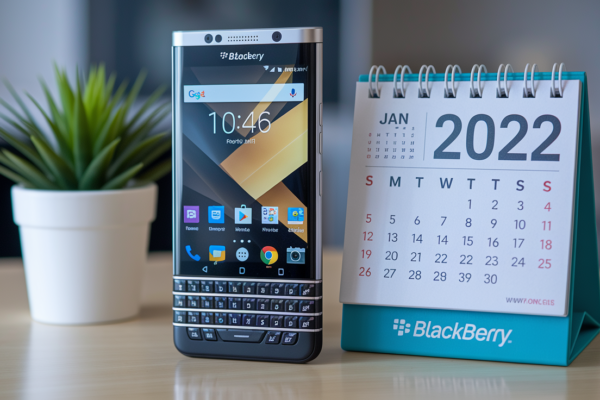
Was BlackBerry 10 really supported until 2022, or did it die years earlier? Short answer: January 4, 2022, was the hard cutoff for BlackBerry-hosted services tied to BlackBerry 10, BlackBerry OS 7.1, and PlayBook OS. But feature and security maintenance for BB10 effectively stopped with the 10.3.3 branch in 2016-2017. This post lays out the launch date, the final software branch, the staged service shutdowns, and what each milestone meant for devices and users, so you can tell if your phone lost official support or just lost server connections.
Key BlackBerry 10 Support Dates at a Glance
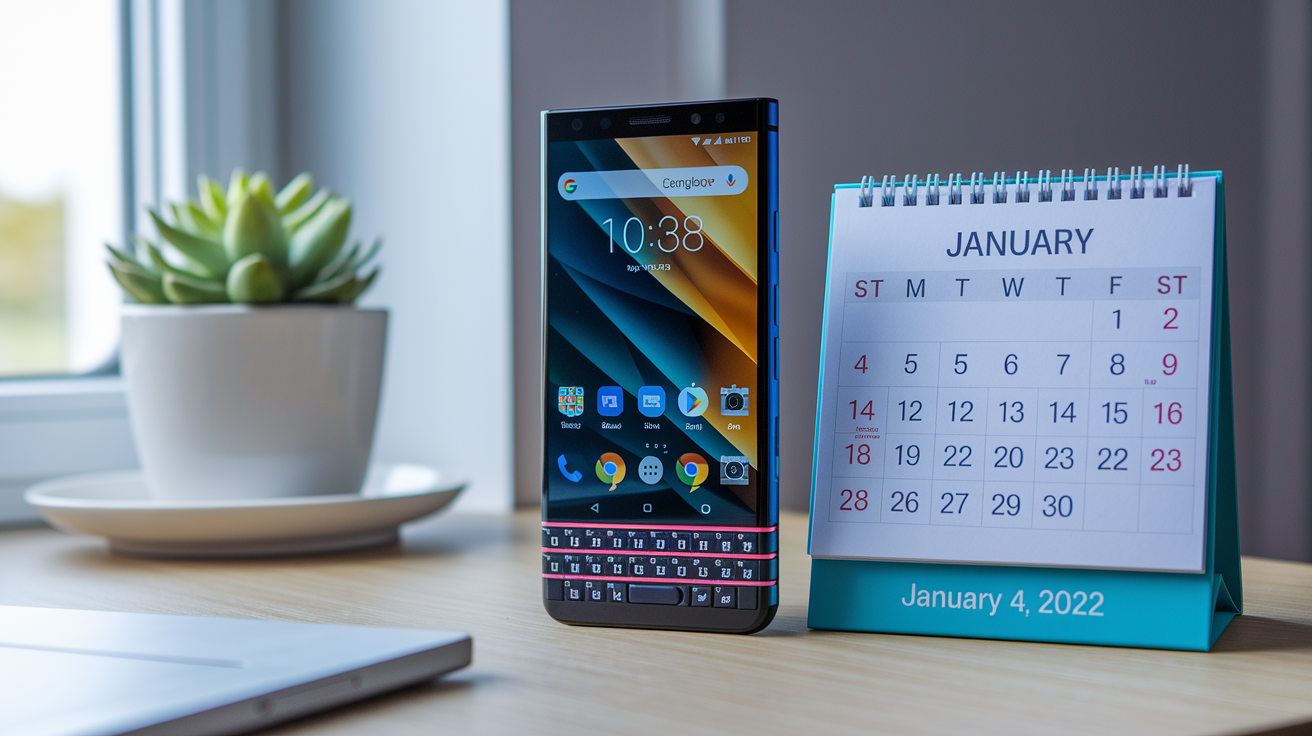
January 4, 2022, marked the final support and infrastructure shutdown date for BlackBerry 10. That’s the hard cutoff most readers are actually searching for.
But here’s the thing worth clarifying up front: the platform had already stopped receiving regular feature development and security maintenance well before that final date. So it helps to separate two different ideas. One is the last software branch BlackBerry ever shipped for BB10. The other is the day the company pulled the plug on the infrastructure that kept those phones useful. They’re not the same milestone, and mixing them up leads to confusion about what “end of support” really meant.
| Date | Milestone | Significance |
|---|---|---|
| January 30, 2013 | Public launch of BlackBerry 10 | Platform officially announced, marking BB10’s debut as BlackBerry’s proprietary successor to legacy BlackBerry OS |
| Within 30 days of launch | First BlackBerry 10 smartphones reached select markets | Initial rollout followed a staggered release, starting with select regions before wider availability |
| 2016–2017 | BlackBerry 10.3.3 became the final major software branch | Last substantial update cycle for BB10, after which feature development effectively stopped |
| May 31, 2019 | Consumer BBM service closed | Removed a core messaging feature many BB10 users relied on daily |
| December 2019 | BlackBerry announced the legacy-service discontinuation schedule | Gave users and IT teams over two years’ notice ahead of the final shutdown |
| January 4, 2022 | Legacy infrastructure and official support reached end-of-life | Hard cutoff for BlackBerry-hosted services tied to BB10, BlackBerry OS 7.1, and BlackBerry PlayBook OS |
BlackBerry didn’t provide an ongoing consumer patch stream after January 4, 2022. There was no broad extended-support programme offered to everyday users, so any device still running BB10 past that date stopped receiving official fixes for newly discovered vulnerabilities. That said, this didn’t mean every BB10 function died overnight. Organizations running their own self-hosted enterprise infrastructure could, in some cases, keep limited internal management functions alive independently of BlackBerry’s public servers. That’s a narrow exception though, not a general lifeline, and we’ll cover it in more detail later in this piece.
Why BlackBerry Withdrew from Its Proprietary Mobile Platform
(((alt-img2)))
Competitive pressure from Android and iOS steadily eroded BlackBerry’s position as a proprietary handset maker through the early 2010s. As that business shrank, the company redirected its resources toward enterprise software, endpoint management, cybersecurity services, and licensing its brand name to other manufacturers. This wasn’t a sudden pivot. It happened gradually, as leadership recognized that maintaining a consumer smartphone operating system in house no longer made commercial sense when the enterprise software and security side of the business showed more promise.
It’s worth separating hardware strategy from operating system support here, because people often mix the two up. BlackBerry stepping back from in house handset production, or licensing its name to a manufacturer like TCL, didn’t automatically determine when BB10 software maintenance or BlackBerry hosted services would stop. Those were distinct business decisions made on different timelines, driven by different pressures. A company can stop building phones while still running the servers that keep existing phones functional. That’s roughly what happened here for a while.
This is also why the last major software branch, the end of routine maintenance, and the eventual retirement of public infrastructure landed as three separate milestones rather than one simultaneous event. Software already installed on a device doesn’t disappear when active development ends. It just stops improving. But functions that depend on a live connection to BlackBerry’s servers, like authentication, provisioning, or app distribution, needed BlackBerry to keep those back end systems running. Once the company decided to retire that infrastructure, those server dependent features stopped working regardless of what software version was sitting on the handset.
BlackBerry-Hosted Services Discontinued at the Final Cutoff
(((alt-img3)))
The January 4, 2022 shutdown hit BlackBerry World the hardest. Downloads, purchases, and updates through the storefront stopped working, and so did the infrastructure dependent license checks that verified whether an app was legitimately purchased. App signing and software distribution systems tied to BlackBerry’s servers also went dark, which meant developers and users alike lost the backend that made app installation and verification possible in the first place.
Device activation and provisioning took a hit too. BlackBerry Internet Service activation, which many consumer users relied on for push email and data services, stopped functioning. Legacy BlackBerry hosted APIs that apps and devices called during normal operation also went offline. Practically speaking, this meant that if a device or app needed to check in with one of these endpoints to complete a task, that request simply failed. There’s no graceful fallback for a server that no longer exists.
BlackBerry Push Service, which handled notifications for BB10 apps, was shut down as well. BlackBerry Protect, the remote locate and wipe service many users depended on for lost or stolen devices, lost its backend. Cloud backup and restore functions tied to BlackBerry’s servers stopped working, and server dependent features inside BlackBerry Link and Blend, the desktop companion tools, lost their connection to the services they relied on.
Final Words
January 4, 2022 was the hard cutoff — BlackBerry shut down the public infrastructure that supported BlackBerry 10, even though the final major branch (10.3.3) and routine security maintenance ended earlier.
That shutdown stopped BlackBerry World, push, backups, activation, and other hosted services, while local features (camera, Wi‑Fi, files) may still work depending on carrier and certificate support.
If you’re on a Z10, Q10, Passport or similar, back up now and follow the migration checklist. This blackberry 10 end of support timeline gives a clear deadline — plan the move and keep your data safe.
FAQ
Q: When was the BlackBerry Z10 launched?
A: The BlackBerry Z10 was launched on January 30, 2013, with BlackBerry 10 announced the same day; the first Z10 handsets reached select markets within about 30 days.
Q: Can I get a BlackBerry to work in 2026?
A: You can get a BlackBerry to work in 2026, but after BlackBerry’s January 4, 2022 infrastructure shutdown, online services are limited; voice, SMS, Wi‑Fi, and local apps may still function depending on carrier and app compatibility.
Q: When was the BlackBerry phased out?
A: BlackBerry’s legacy consumer platform reached its hard end-of-life on January 4, 2022; key earlier milestones include consumer BBM closing on May 31, 2019, and TCL’s handset licence ending August 31, 2020.
Q: Does the US government still use BlackBerry?
A: The US government still uses BlackBerry technology in limited or legacy roles, but most agencies moved to modern platforms; check current agency procurement or IT notices for accurate, up-to-date status.