

Ever wonder if your phone really gets you? Thanks to artificial intelligence, your device grows a little smarter each day by learning your habits and smoothing out your tasks, all without you even noticing. Imagine your phone enhancing your photos like a seasoned pro while tweaking settings as if it knew your every need. This smart tech brings far more than a bit of convenience; it turns every action into a personally tailored experience. In this post, we dive into how AI makes your phone a reliable, intuitive companion for your daily adventures.
AI-Driven Enhancements Transforming Smartphone Functionality
Modern smartphones lean on smart tech like machine learning and neural networks to work better and feel more fluid. Think of virtual helpers like Siri, Google Assistant, or Alexa, they use natural language processing (tech talk for understanding everyday speech) to answer questions and set reminders quickly, making your life easier without even needing your hands.
On your device, built-in AI takes care of the little things. It can sort your emails, tweak your settings, or even anticipate which apps you'll need, all based on your habits. And when it comes to snapping photos, AI steps in to detect scenes in real time, boost low-light shots, and perfect portraits, so you get clear and professional-looking pictures every time.
Battery life also gets a boost thanks to AI that learns your daily routine and smartly adjusts power use. It even reinforces security with sharper facial recognition and fingerprint scanning. Plus, features like real-time language translation and augmented reality change the way you interact with your phone, making each experience feel fresh and connected.
All these smart features work together to create a phone that’s not just clever, it’s almost like it knows what you need before you even ask.
AI-Powered Mobile Photography and Neural Imaging Optimization

Today’s smartphones are a blend of stunning design and smart technology, turning every click into a work of art. They come with cameras that aren't just about megapixels, they use AI to fine-tune each shot. Imagine snapping a picture at dusk and having your phone instantly adjust lighting and exposure, just like a seasoned photographer would.
These smart cameras pack features like real-time scene detection that recognizes your surroundings and portrait depth effects to give your photos that professional touch. And when it comes to tricky low light, Night Mode and super-resolution imaging step in. They merge several frames to sharpen details, making sure your memories shine even when the light is low.
Big names in the tech scene are all in on these innovations. For instance, Google Pixel uses its Night Sight mode, Apple relies on Smart HDR, and Samsung enhances images with scene optimization through Bixby. Meanwhile, Huawei Mate takes things up a notch by analyzing over 1,500 scenarios to balance crisp image quality with optimal battery use.
The real magic happens after you take the shot. AI quietly tweaks exposure, reduces noise, and even smartly reallocates computing power, so your photography experience stays smooth without draining your phone’s battery.
| Feature | Description | User Benefit |
|---|---|---|
| Real-Time Scene Detection | Understands the environment instantly | Automatically adjusts settings |
| Low-Light Night Mode | Tweaks exposure and reduces noise | Captures clear photos at night |
| Portrait Depth Effects | Uses depth sensing for realistic blur | Gives photos a professional look |
| Super-Resolution Imaging | Merges multiple frames for detail | Delivers sharper images |
| Dynamic Exposure Control | Balances brightness with AI support | Ensures consistent color across photos |
By combining on-the-spot analysis with clever post-processing, modern smartphones are not just capturing photos, they’re redefining how we freeze life’s moments with every click.
Intelligent Voice Assistants and Predictive Text Input Innovations
Smart assistants are already handy for voice commands, but predictive text input really changes the game. It uses smart, context-based algorithms that learn from how you type, suggesting words or even whole phrases before you finish a sentence. Imagine starting a message with "Can you send me…" and seeing the complete thought pop up instantly, it saves time and cuts down on mistakes.
This nifty feature works by looking back at your past messages and figuring out what fits best in the moment. So if you often wrap up your chats with "see you soon," the tool will naturally offer that phrase when it feels right.
| Feature | User Benefit |
|---|---|
| Contextual Algorithms | Quickly learns and predicts words based on your past typing |
| Real-time Adaptation | Improves suggestions as you keep typing |
Intelligent Battery Management and Performance Optimization

Ever noticed how your phone seems to figure you out? Modern smartphones now use smart AI techniques that learn your habits, so your battery lasts longer and your device stays ready for what matters most. The AI watches how you use your phone, automatically pre-loading your favorite apps and putting those you rarely use into hibernation. This way, your device saves power, avoiding unnecessary recharges or frustrating interruptions.
How does it work? Your phone picks up on everyday cues and adjusts settings based on what it's seen before. It smooths things out by balancing display activity and processing load, much like fine-tuning the brightness in a dim room or easing back when you’re not actively using an app.
Here are some of its key tricks:
| Feature | Description |
|---|---|
| Adaptive Screen Brightness | Adjusts the screen brightness automatically based on light conditions |
| Predictive Charging | Prepares charging routines using your usage patterns |
| App Hibernation | Puts unused apps into a sleep mode to conserve battery |
| Background Process Throttling | Slows down processes when not needed, saving energy |
| Dynamic CPU/GPU Frequency Scaling | Adjusts the phone’s processing power in real time for better efficiency |
These smart strategies squeeze every drop of energy, reducing waste by dimming the screen in low ambient light or throttling processes when you step away. With real-time power shifts, like those seen in Huawei devices, your smartphone stays snappy and efficient all day long. Cool, isn’t it?
Adaptive Security Protocols and Biometric Authentication in Smartphones
Modern smartphones now offer a whole new level of protection, thanks to intelligent AI. These devices use neural networks to power facial recognition and fingerprint scanning, creating a unique digital map of you, almost like a high-tech fingerprint. For example, Face ID uses depth mapping to confirm it's really you, stopping intruders before they even get a chance.
These systems work right on your device, using smart neural computations that keep adjusting to light changes and different user scenarios. Picture it like a security guard who never sleeps, always ready to spot any odd behavior.
Plus, AI doesn’t just verify your identity. It also watches how you use your phone, detecting any unusual unlock attempts that might signal trouble. In other words, these adaptive security protocols harness breakthrough biometric technology to deliver top-notch protection.
Still, privacy remains a hot topic since biometric data is super sensitive, so developers are constantly improving how this data is managed.
Personalized User Experiences and Context-Aware Interactions
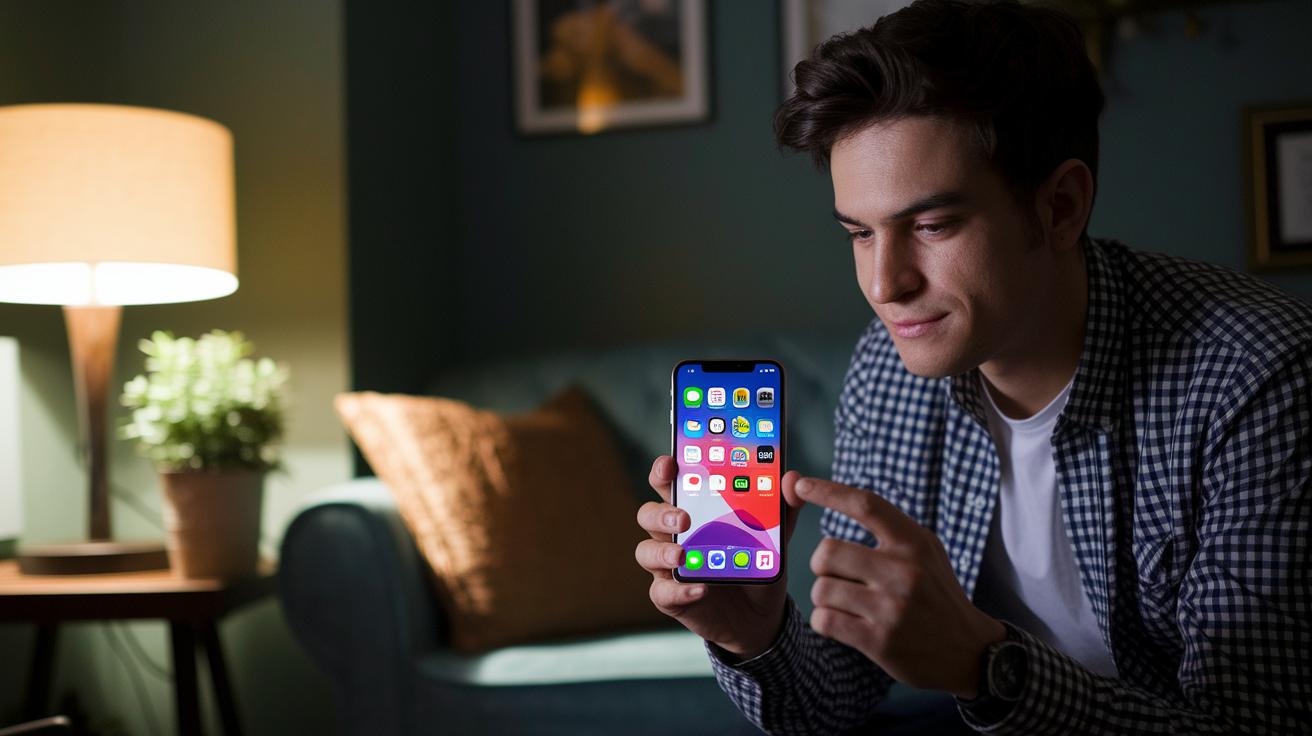
Smartphones powered by artificial intelligence are turning the way we use our devices completely on its head. They learn from how you swipe, the apps you open most, where you are, and even what time it is to give you an experience that feels tailor-made. Imagine this: after monitoring usage for weeks, one user found that their phone had rearranged its icons to match their morning routine. Cool, right?
Apps for streaming, shopping, and fitness now serve up feeds that mirror your past interactions, almost like a friend who remembers your favorite snack. And it's not just about recommendations. Your device might automatically switch to a quiet Do Not Disturb mode at night when it senses you need some peace and relaxation.
By gathering little bits of data from here and there, your smartphone creates its own custom interface. It isn't just waiting for you to tap; it's busy anticipating your next move. Each time you use your phone, it learns a little more, making your everyday interactions feel smoother and more intuitive.
Edge Computing and Embedded Neural Processors in Smartphones
Edge computing combined with built-in neural processors is changing how smartphones handle data. Top chipsets like Apple's A16 Bionic, Qualcomm's Snapdragon 8 Gen 2, and Google's Tensor G2 now run complex tasks right on the phone. This means you get real-time image boosts, smooth voice recognition, and awesome augmented reality without waiting on the cloud. In short, your phone reacts faster while keeping your data safe.
These smart chips are designed to handle special tasks that make daily phone use feel smoother. For example, a dedicated neural engine helps your phone adjust quickly to different lighting conditions and snap great photos using smart HDR. Voice commands get processed instantly, so switching apps or setting reminders is a breeze. And whether you're gaming or learning with augmented reality, everything works seamlessly because the device takes care of all the heavy lifting inside.
On-device deep learning not only speeds things up but also protects your privacy by keeping sensitive info on your phone. Each chipset has its own strength: Apple's Neural Engine excels at face recognition and smart photo tweaks, Qualcomm's Hexagon NPU is great for voice and image processing, and Google's Pixel Neural Core quickly analyzes scenes. Together, these features create a system that feels smart and intuitive.
| Chipset | Neural Processor | Key AI Capability |
|---|---|---|
| Apple A16 Bionic | Neural Engine (16 cores) | Smart HDR, Face ID |
| Qualcomm Snapdragon 8 Gen 2 | Hexagon NPU | Voice AI, image segmentation |
| Google Tensor G2 | Pixel Neural Core | Real-time scene detection |
Future Trends in AI-Powered AR/VR and Next-Gen Smartphone Innovations

Tomorrow's smartphones are set to mix smart learning with super cool augmented reality right in your hand. With 5G networks picking up speed, expect cloud-powered AR/VR to serve up visuals that make everything from gaming and remote meetings to live events feel incredibly real. Imagine grabbing your phone and stepping into another world where every detail reacts instantly to your touch.
Generative AI in these devices will totally change how we create photos and videos. They won’t just capture moments; they'll tweak and transform them on the fly using clever processing that merges multiple frames and adds artistic filters. So whether it's a breathtaking travel diary or your day-to-day snapshots, your images could easily turn into creative stories with hardly any effort at all.
We’re also looking at AI-driven health diagnostics that can spot even tiny changes and offer handy advice before things get serious. Plus, your smartphone will seamlessly connect with other smart devices at home or work, opening the door to dynamic mobile gaming and even on-device generative avatars. And here's the exciting part: These cutting-edge AI features will soon be available in more affordable midrange devices, making the future of smartphones even more connected, creative, and interactive.
Final Words
In the action, the post broke down dynamic camera tweaks, smarter voice commands, energy-saving methods, and secure biometric checks. Each section offered bite-sized insights into machine learning and adaptive settings that truly enhance everyday use.
It’s clear that artificial intelligence in smartphones is a game-changer. As we look ahead, expect more practical innovations that make your tech experience smoother and more engaging. Enjoy the exciting advances that continue to redefine mobile power and intelligence.
FAQ
What resources and examples showcase AI in smartphones?
The resources and examples showcase AI in smartphones by listing devices with smart photography, battery management, and security features, as well as PPT presentations and detailed examples demonstrating practical AI implementations.
What is a phone AI app?
A phone AI app refers to software on your device that uses machine learning to perform tasks like optimizing performance, managing data, and personalizing user experiences throughout your smartphone.
Which AI smartphones are leading the market?
Leading AI smartphones are those that excel in smart imaging, voice command integration, and battery management methods, earning top marks as the best phone AI solutions in both camera performance and overall function.
How is AI used in smartphones?
AI is used in smartphones to improve photography, manage battery life, power intelligent voice assistants, and personalize user experiences via on-device neural processing and adaptive learning techniques.
Is there artificial intelligence on my phone?
Modern smartphones include artificial intelligence through features like smart cameras, predictive text, and responsive voice assistants, which provide enhanced performance and customization.
What is the future of AI in smartphones?
The future of AI in smartphones will bring more personalized interfaces, advanced AR/VR capabilities, greater on-device neural processing, and innovative features that redefine everyday user interactions.
What are the benefits of AI in mobile phones?
AI benefits mobile phones by streamlining photography, optimizing battery performance, enhancing security through biometric measures, and creating personalized, context-aware experiences for a smoother user interaction.