

Ever wondered why a small delay in a faraway country can slow down your phone’s release?
When factories fall behind or extra fees come into play, every step gets affected. Think of it like a sports team, if one player slips up, the whole game can change.
The journey of parts and ideas behind your phone shapes its price, features, and availability. In other words, the global supply chain plays a big role in setting smartphone trends.
How global supply chain dynamics shape smartphone trends
Global supply chains mix together where devices are made, how they travel, and even tweaks in design. It’s like a team effort behind every smartphone you use. If one piece, for example a factory hit with new tariffs, falls behind, it can change the whole picture unexpectedly. Even government rules play a big role, making the market unpredictable and influencing where and how your phone takes shape.
Every part of the chain matters. The spots that build your phone set the pace and quality, while the routes that ship them help move products across borders with different rules. Sometimes, delays or local policy changes force companies to find new ways to assemble their gadgets, potentially shifting launch dates or altering design details. This means that global logistics challenges often push manufacturers to rethink their whole strategy to meet demand.
All these factors add up to impact smartphone prices, availability, and even cool features. When shipping slows down or extra costs pile up, you might see higher prices and fewer models on the market. On the flip side, the pressure to adapt can spark fresh ideas, enhancing design and performance in ways you might not expect. In short, the ever-changing global supply chain is woven into every step of a smartphone’s journey.
Evolution of smartphone manufacturing and inventory management

In the early days, smartphone production really took off in China, where assembly lines quickly ramped up to meet worldwide demand. These early efforts pushed manufacturing productivity to new heights and set the bar for modern assembly practices. Manufacturers tapped into local know-how and lower costs, making smartphones affordable and available to many. Little innovations, like quicker assembly techniques, laid the groundwork for the improvements we see today.
At first, as companies honed their basic processes, productivity soared. Streamlined operations and hands-on quality checks allowed production numbers to climb while keeping prices competitive. All these tweaks helped the industry handle increasingly large order volumes.
Then came a major turn with the introduction of mobile hardware and barcoding for real-time inventory management. With mobile barcoding systems in play, companies could monitor stock levels on the fly and update warehouse records instantly. This smart automation cut down on errors and kept production schedules running smoothly, ensuring that component supply and assembly worked hand in hand.
Insights drawn from semiconductor technologies and other industries further boosted production flows. These cross-industry smarts led to better resource use and higher assembly line output, setting in motion efficiencies that continue to shape smartphone manufacturing today.
Current supply chain disruptions and component scarcity impact on smartphones
Smartphone production is feeling the pinch right now. Shortages and delays are causing real headaches, everything from getting the right parts to delivering finished products on time is affected. Manufacturers are juggling parts shortages and shipping hold-ups that slow down production, and even a small glitch in one area can quickly spread, driving up prices and shrinking available options.
Apple Tariff Impact Case Study
Tariffs are tightening the squeeze on profit margins and shaking up retail prices. For example, Apple makes around $400 on each iPhone 16 Pro (256 GB) with a net margin of 36%. But if tariffs rise, say, 54% could bump the price from about $1,100 to roughly $1,350, and at 145%, it could hit around $1,850, the cost changes are dramatic. This case shows that higher tariffs not only trim profits but also complicate manufacturing. With production running at 760 units per minute, every minute counts, and even slight regulatory changes can send cost ripples through the entire supply chain.
Used Smartphone Market Dynamics
As new smartphone prices climb under the weight of tariffs, more buyers are eyeing the used market. Price hikes for new devices naturally boost resale values, which puts extra pressure on refurbishing and trade-in operations. Sellers are facing a shortage of models as repair and refurbishment services struggle to keep up with demand. In simpler terms, consumers end up with a smaller selection and steeper prices in the secondary market.
- Rising import tariffs boosting device costs
- Global chip shortages delaying production
- Shipping delays stretching lead times
- New regulatory rules upsetting cross-border trade
- Fewer options hitting reseller inventories
Innovations in vendor optimization and sustainable sourcing for smartphones
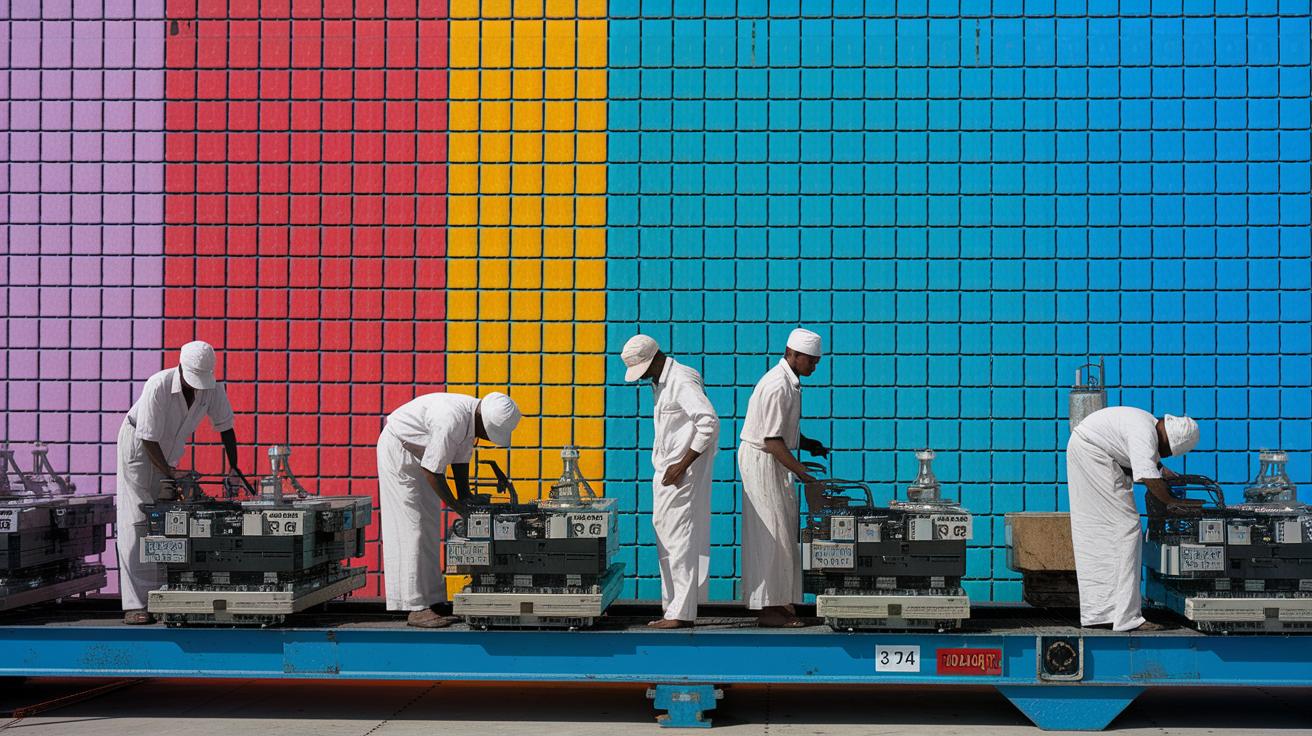
Manufacturers are changing the way they work by spreading production across different regions. They’re setting up new assembly lines in places like India, Vietnam, and Brazil so they don’t have to depend on one single area. This smart move not only helps avoid problems that hit one region hard but also takes advantage of local skills and growing markets, making operations sturdier all around.
Companies are also rethinking how they get top-notch parts for their devices. By using clever market research, vendors are streamlining their supply chains and simplifying how they buy materials, which cuts out a lot of unnecessary steps. This new approach lets them quickly spot potential shortages and adjust their orders on the fly when things don’t go as planned.
Eco-friendly buying is becoming a big deal in these plans too. More and more manufacturers are choosing sustainable sourcing policies to cut their environmental footprint and be ready for any future surprises. With efforts like eco-friendly component sourcing, they’re matching efficient operations with green practices. For more on eco-friendly procurement, check out "Sustainable mobile technology advancements" (https://blackberryempire.com?p=198387).
Pricing dynamics and consumer behavior shift in smartphone markets
Tariffs are nudging up smartphone prices, which means both manufacturers and buyers have to adapt fast. With new phone prices climbing, lots of people are hanging on to their current devices rather than buying the latest model every year.
This price hike is also changing the way folks shop for smartphones. Many consumers are now turning to refurbished phones or picking midrange options to get solid performance without the extra cost.
Key trends we're seeing include:
- Longer upgrade cycles
- More interest in refurbished models
- A shift from flagship devices to midrange options
- Increased sensitivity to future tariff changes
These shifts are pushing manufacturers to rethink how they predict demand. They now face the challenge of balancing production with consumers holding onto their devices longer and being more price-conscious. In other words, finding flexible and accurate forecasting methods is more important than ever.
Projecting future smartphone trends through resilient supply chains
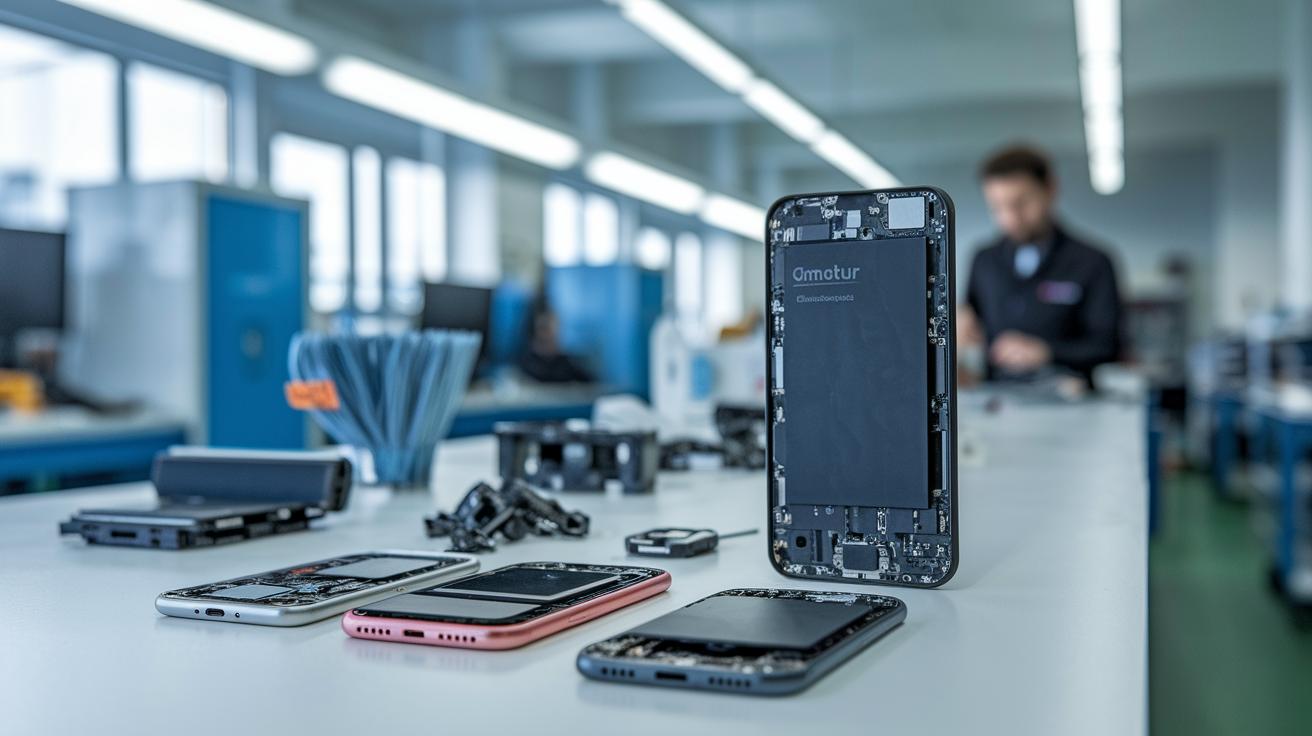
Smartphone makers are really starting to change how they build and toss out gadgets. Tariffs are slowing down new phone models, so people are keeping their old devices longer. This break in production is giving manufacturers a chance to rethink their methods with a fresh, green perspective. It turns out some companies are even testing ways to reuse top-quality parts from returned phones to cut down on waste. Wow, imagine saving a ton of e-waste while giving your old phone a new life!
Global markets are shifting too. Think about this: if U.S. prices keep rising because of tariffs, brands like Huawei might snag new opportunities, while Apple is rumored to raise iPhone 17 prices to balance higher duties. This race is pushing companies to quickly adapt their designs. Want to dive deeper into how these tough supply chains are shaping the next-gen smartphones? Check out What are future smartphone design trends.
| Trend | Projection | Timeframe |
|---|---|---|
| Regional assembly hubs | 25% production in India/Vietnam | 2025 |
| Modular designs | Repairable components standard | 2026 |
| Sustainable materials | 30% recycled plastics | 2025 |
| Refurbished market growth | 50% increase in volume | 2024–2026 |
Data shows that companies are leaning heavily on smart strategies. These insights match a growing need for eco-friendly production and smart, flexible supply chains. Firms are now fine-tuning their operations, using detailed market data to meet both customer needs and regulatory hurdles with a responsive, resilient approach.
Final Words
In the action, we explored how manufacturing shifts, inventory management, and market disruptions shape our smartphone experience. We broke down the challenges from component shortages to shifting consumer habits and showcased innovative responses like eco-friendly sourcing.
Every section tied back to the effect of global supply chain on smartphone trends, highlighting how real-time logistics and tariff changes influence design and pricing. It’s a powerful reminder that staying adaptable brings solid trends and a bright outlook for the future.
FAQ
What is the effect of the global supply chain on smartphone trends?
The global supply chain influences smartphone trends by affecting manufacturing decisions, shipping schedules, and design features due to logistical challenges, tariff policies, and the sourcing of components.
How did the global supply chain impact smartphone trends in 2020 and 2021?
The global supply chain impacted smartphone trends in both 2020 and 2021 through production delays, altered launch schedules, and changes in component sourcing due to evolving tariffs and international logistics challenges.
What is involved in the supply chain of smartphones?
The supply chain of smartphones consists of production facilities, distribution networks, and shipping logistics, all working together to steer design adaptations and device availability in the market.
Where are most smartphones manufactured?
Most smartphones are manufactured in regions like China, a major production hub, although many brands now look toward diversifying manufacturing across regions such as India, Vietnam, and Brazil.
What defines ethical phones?
Ethical phones are characterized by production processes that adopt fair labor practices and responsibly sourced materials, aiming to reduce environmental impact while maintaining high standards for user performance.
What are sustainable phone brands?
Sustainable phone brands emphasize eco-friendly manufacturing by using recycled materials, energy-efficient processes, and green initiatives to create devices that minimize environmental harm and promote long-term resource stewardship.
What role do cell phone minerals play in production?
Cell phone minerals play a vital role by providing essential components for batteries and circuit boards, prompting manufacturers to prioritize responsible sourcing and manage costs within the production cycle.