

Between fast chargers, wireless pads, and powerbanks, we’re all looking for ways to coax extra hours from our smartphones. But charging isn’t just about filling a battery; it’s a delicate balancing act of voltage, heat, and chemistry. Do it wrong and you’ll lose capacity, create safety hazards, or wind up replacing a three-figure phone sooner than you’d like. Below are six science-backed rules—culled from tech pros and battery engineers—to help you treat your handset right. Adopt them today, and you’ll enjoy longer screen time tomorrow and a healthier device next year.
Stick to the Charger You Were Given
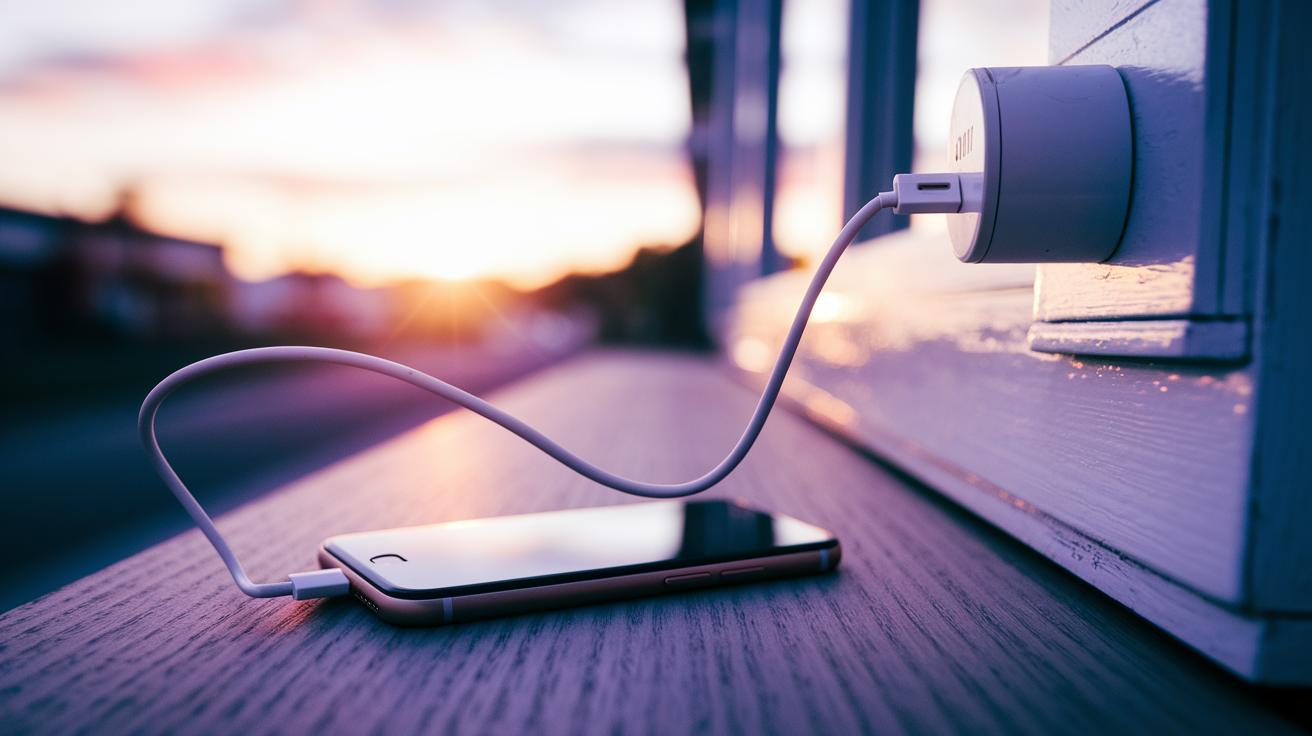
There’s a reason your smartphone’s box includes a charger, and it’s not just generosity. The adapter and cable are matched to the battery chemistry, charge-management chip, and heat sensors inside your device. Using a random third-party brick may push an unsafe current, skip crucial safety signaling, or simply trickle power so slowly that you end up plugged in twice as long. Over months that accelerates chemical wear, shortens daily runtime, and can even swell the cells. If you need a replacement, stick to the manufacturer’s official accessory or a certified alternative that advertises the exact voltage and amperage your handset expects.
Stop Scrolling: Let Your Phone Rest While It Powers Up
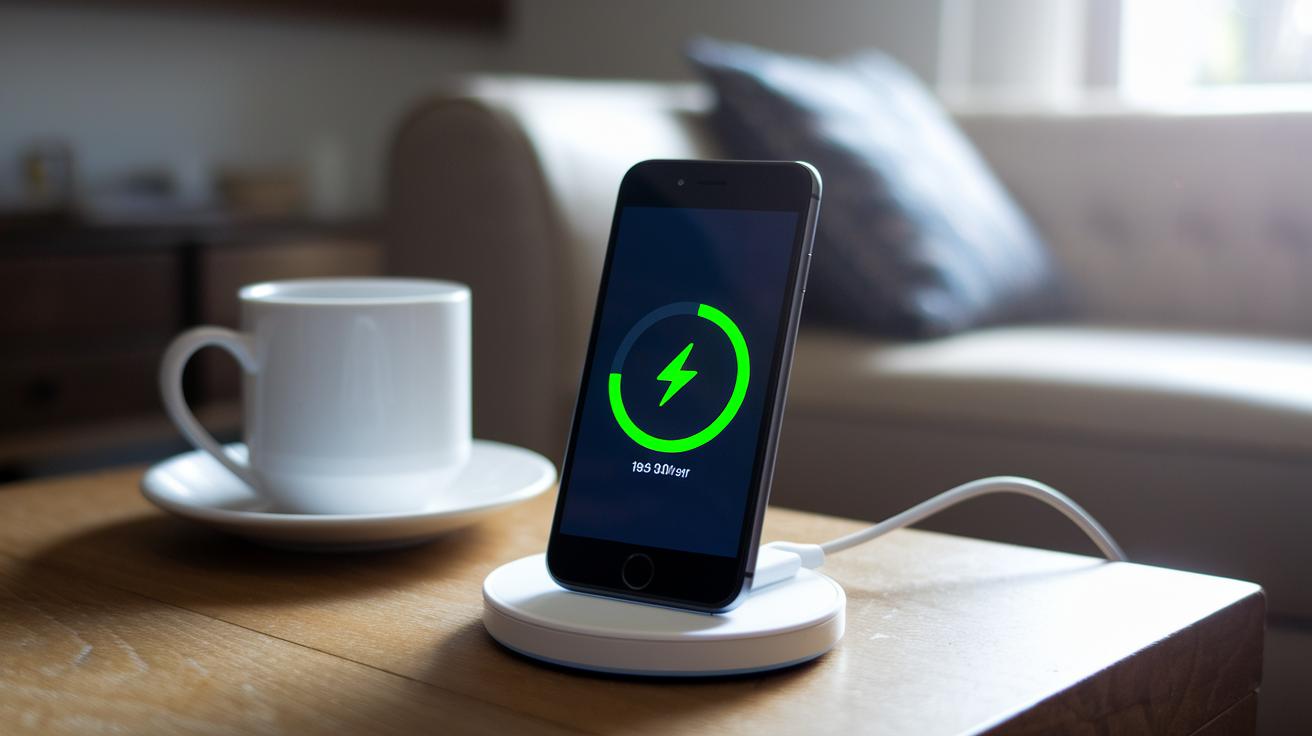
Despite the memes, scrolling social media with your phone tethered to the wall is one of the quickest ways to cook a battery. The processor and display demand spikes of power, while the charger simultaneously pumps energy into the cells. That tug-of-war gives off extra heat and confuses the charge controller, making it harder to judge when to taper current. Over time you’ll notice erratic percentages, lag, and ultimately a battery that drains faster than it charges. Do yourself a favor: plug in, walk away, and let the chemistry do its job uninterrupted until you’re ready to move again.
Aim for an 80% Top-Up, Not 100%
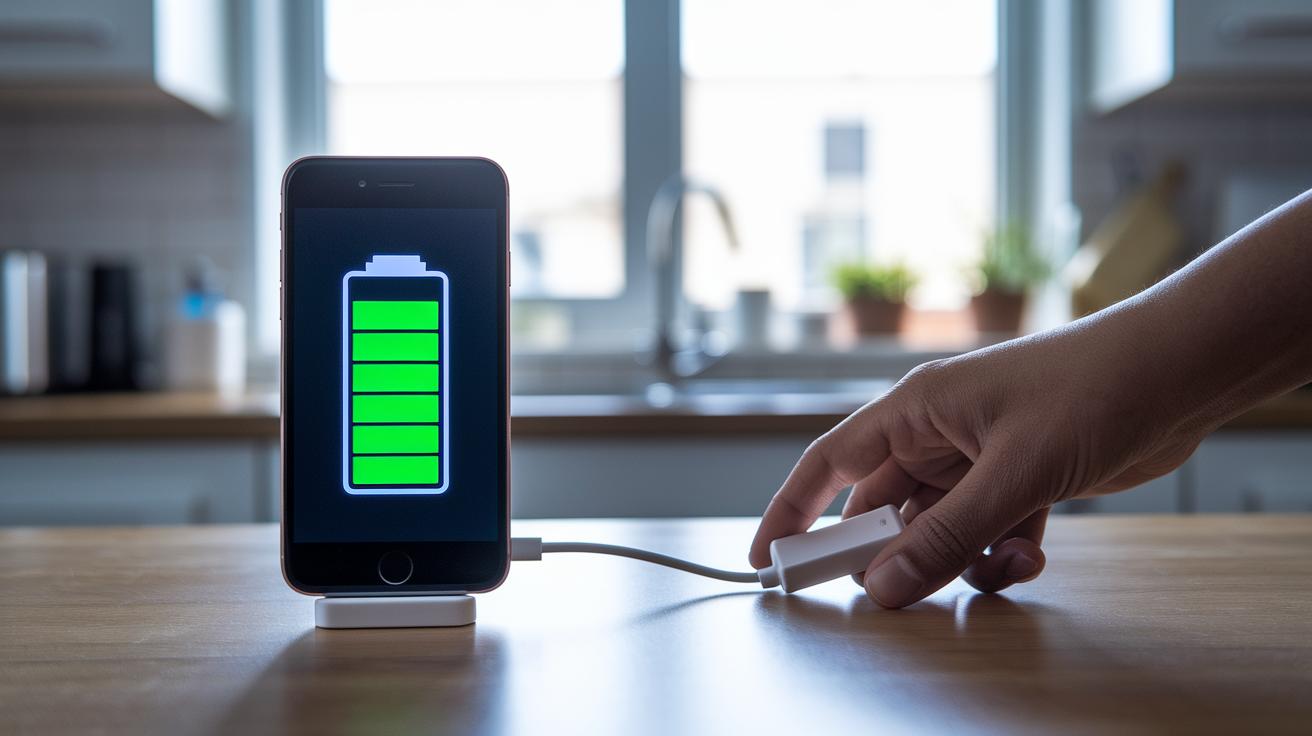
Lithium-ion cells are happiest in the middle of their charge range. Pushing them to a full 100 percent means the voltage has to sit at its upper limit, a state that stresses the anodes and speeds up capacity loss. That’s why many manufacturers now include “optimized charging” that pauses around 80 percent. If your phone doesn’t, you can mimic the feature yourself: glance at the indicator, and unplug once you hit that sweet spot. You’ll lose maybe half an hour of screen time, but gain months, sometimes years, before you need an expensive battery replacement or an entirely new handset.
Plug In at 20%, Not 2%
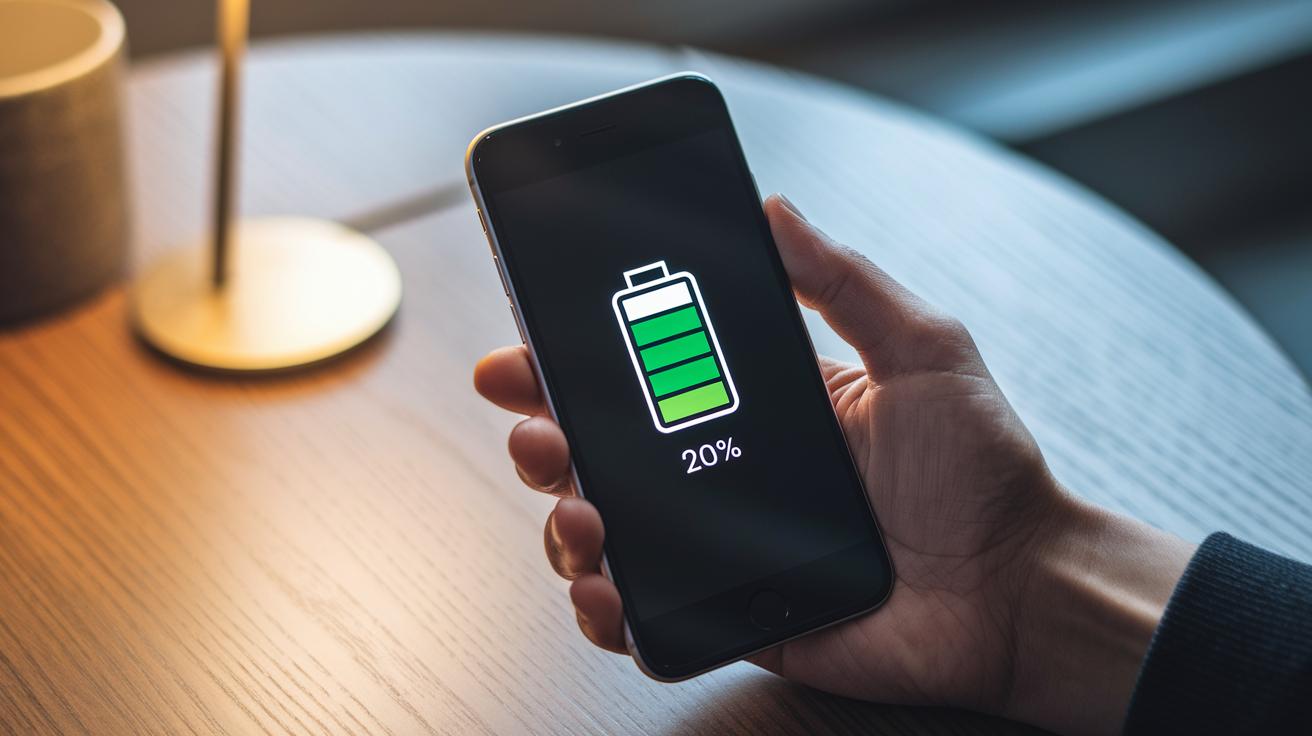
Just as topping out is tough on lithium-ion, so is letting it plummet to single digits. The protective circuitry allows a small safety reserve, yet repeatedly running flat expands the battery’s internal SEI layer, stealing capacity you’ll never get back. Aim to plug in when you’re around 20 percent, giving the cells enough room to accept current briskly without voltage strain. This rhythm also keeps your phone from shutting down mid-call or leaving you helpless in an emergency. Think of that 20 percent mark as the fuel light on a car: you can keep driving, but you really shouldn’t.
Give Your Phone Some Air, No Pouches While Charging
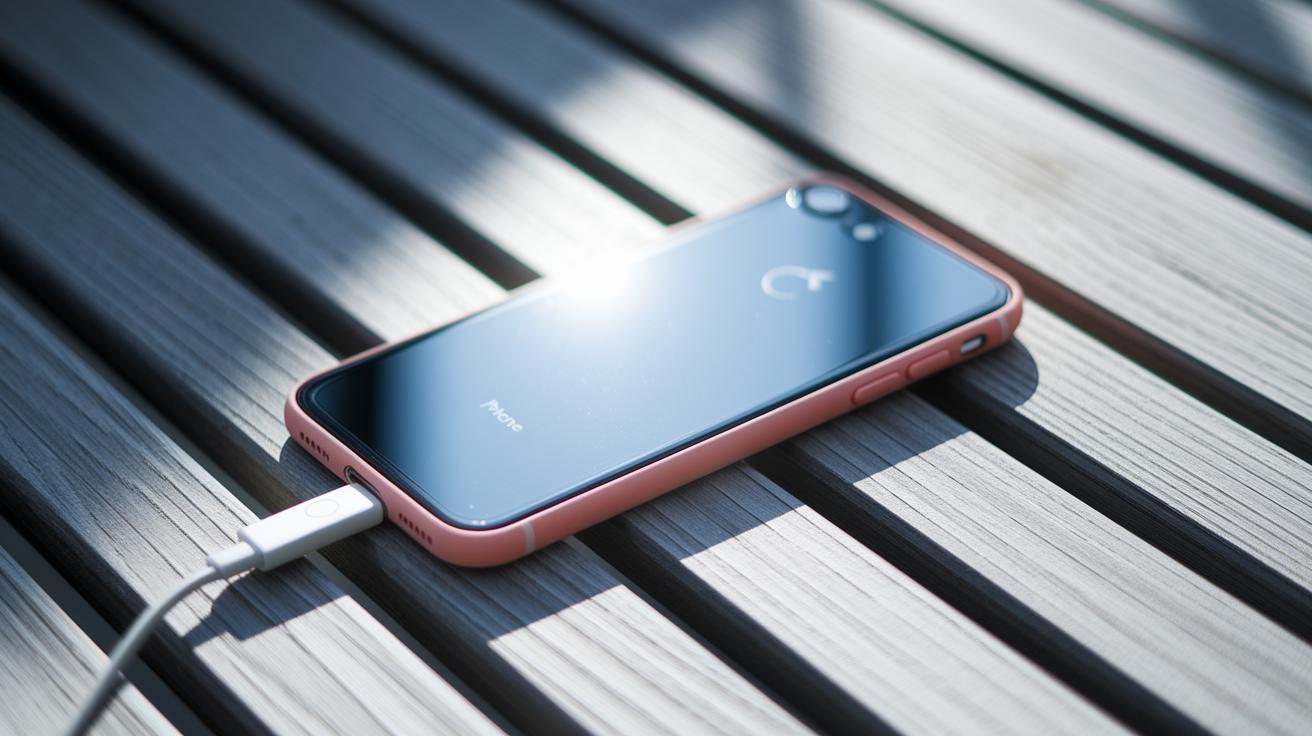
A snug leather sleeve or glittery silicone pouch looks great during the day, but it becomes a sauna the moment you connect a charger. Charging already generates heat; wrapping the device in insulation traps that warmth against the battery, screen, and delicate solder joints. Elevated temperature is the number-one enemy of lithium-ion longevity, and it’s entirely avoidable. Slip the phone out of its pouch or thick case during top-ups, and place it on a hard, flat surface where air can circulate. You’ll charge faster, stay safer, and avoid the bulging backs or sudden shutdowns that overheated cells can cause.
Treat Powerbanks as Plan B, Not a Power Plan
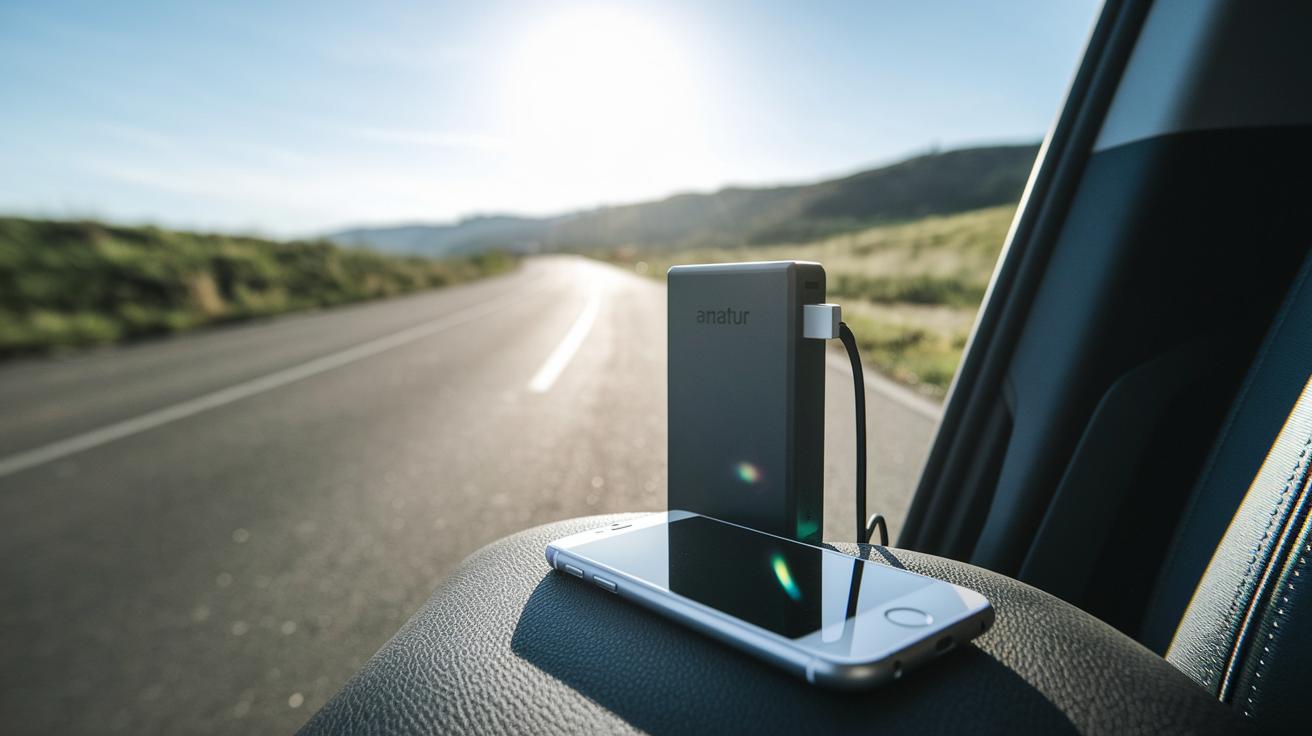
Powerbanks are lifesavers on road trips, but they’re meant for emergencies, not everyday juice. Many off-brand packs deliver inconsistent voltage, and even high-end models can’t match the intelligent charging curves of a wall adapter. Flagship phones like Samsung’s Galaxy S series or iPhones use fast-charge protocols that negotiate amperage on the fly; a generic bank will simply blast constant current, creating heat and chemical stress. When you must top up on the go, choose a reputable pack that supports your phone’s standard and keep sessions short, just enough to reach an outlet. Your battery (and your bank account) will thank you.