

Ever thought about how your phone could sense your surroundings like a mini-smart assistant? Nowadays, mobile sensors can pick up on things like air quality, your hand movements, and even your heartbeat, which makes your device way smarter and more useful.
Imagine your phone quietly noticing subtle changes in light, sound, or motion, almost like it's giving you a friendly nudge when something’s off. In this post, we dive into the latest breakthroughs in sensor tech and show how they turn everyday actions into safer and simpler experiences. Ready to see what your device is really capable of?
Comprehensive Overview of Mobile Sensor Technology Innovations
Smartphones aren’t what they used to be. Back in the day, they only had simple sensors to tell if a room was light or if you were moving. Now, they pack a dazzling array of built-in tech like fingerprint, face, iris, and even voice recognition. Imagine a future where your phone might even check your heartbeat to secure your data, pretty wild, huh?
Environmental sensors have really stepped up too. Today’s devices can sense air quality, humidity, temperature, and even UV levels. This means your phone can warn you when the air isn’t so fresh or when the sun’s too strong, keeping you safe in your everyday adventures.
The camera systems now are a whole new ball game as well. With multiple lenses, high-resolution sensors, optical zoom and a touch of AI magic in computational photography, your phone can snap clear, vibrant photos even when lights are dim. It’s like carrying a mini professional studio in your pocket.
Gesture recognition is getting seriously clever, too. Machine learning now picks up the tiniest hand movements, letting you control your phone without even touching it. Plus, with smarter GPS signals combined with accelerometers and gyroscopes, your device can pinpoint your location down to a very fine detail. This means smoother navigation and even cool augmented reality experiences right at your fingertips.
From wireless sensor breakthroughs to advanced detection methods, every little part of your phone works together to make your daily life easier. It’s amazing how these innovations redefine what we expect from mobile technology every single day.
Energy-Efficient Miniaturization in Mobile Sensor Modules
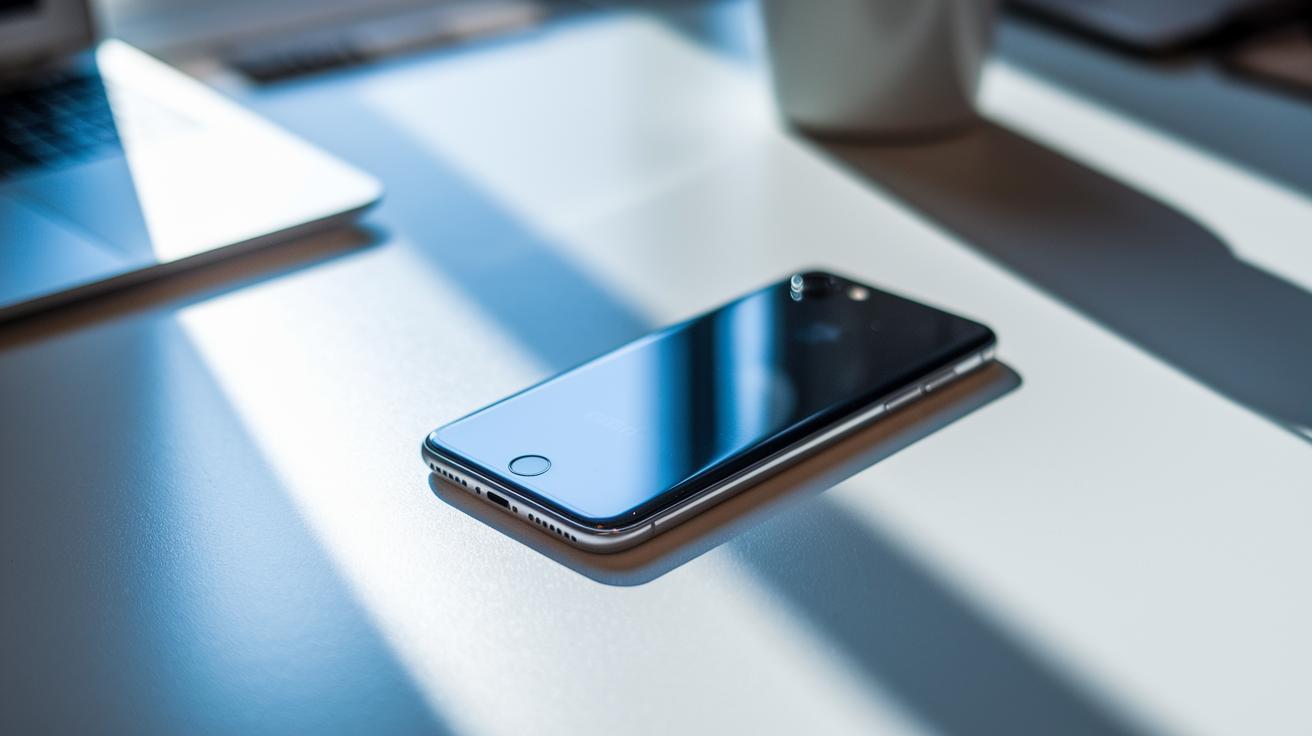
Thanks to breakthrough chip-level engineering and ultra-precise nanoscale design trends, mobile sensor modules now pack a bunch of features into a single chip. This means your smartphone can keep tabs on things like air quality and even your health data all day long, using just a few micro-watts of power. Imagine a tiny sensor working quietly in the background, almost like a secret guardian keeping an eye on small changes, without ever draining your battery.
Miniaturized circuitry has shrunk sensor sizes so much that they can easily fit into sleek, super-thin smartphone designs. Manufacturers now combine accelerometers (which sense motion), gyroscopes (that track orientation), magnetometers (for detecting magnetic fields), and optical sensors (that sense light) all in one. Think about your phone instantly picking up your wrist movement for a cool gesture control, smooth, fast, and barely using any energy.
Low-power detection together with smart, energy-efficient design makes sure every element plays nicely together. These advanced sensors can monitor and process data in real-time while keeping power use incredibly low. This not only helps your battery last longer but also makes your mobile device even more reliable. In short, fusing all sensors into one neat package is a huge win in mobile tech, delivering top performance, compact design, and amazing energy efficiency, all of which completely reshape what we expect from modern smartphones.
Intelligent Data Fusion and Analytics for Mobile Sensors
Today’s mobile sensors blend information from biometrics, the environment, and movement into one seamless stream. Imagine a camera that uses digital waveform processing and a bit of AI magic to turn a dull shot into a brilliant picture. It’s like giving your photo a quick tune-up while you’re still snapping the shot.
Inside our devices, special signal processors work non-stop, watching every bit of data as it flows in. This constant watchfulness helps build smart systems that mix useful insights into one hub. For example, a tiny gesture, a small finger tap, can trigger advanced motion analysis powered by machine learning, just like a sharp eye catching a subtle quiver.
There’s even an app that keeps track of your heart rate, sleep, and stress levels in real time. It’s almost like your phone is quietly nudging you to take a break when things get hectic. By blending sensor data in clever ways, devices get smarter about what’s happening around you, adapting their behavior to real-life conditions.
On the technical side, raw data is transformed into clear patterns by on-device computing magic. This mix of real-time signal processing and cloud smarts creates a smooth, powerful experience. In the end, the teamwork of data integration and smart analytics turns mobile sensors into a dynamic source of everyday intelligence.
Breakthrough Applications of Mobile Sensor Technology Innovations
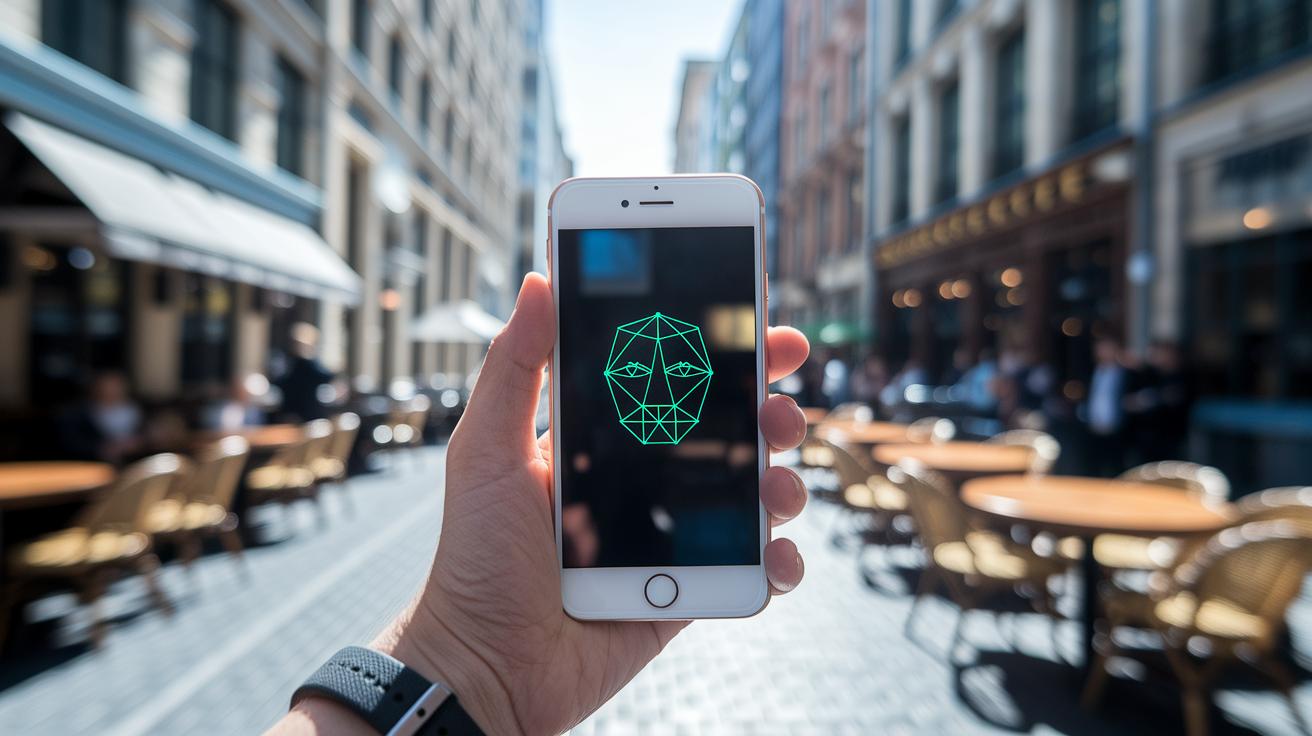
Industrial IoT is quickly becoming a star player in mobile sensor tech. Machines now come equipped with little sensors that pick up on tiny changes in temperature, vibration, and pressure. Imagine a motor that heats up just a bit more than usual and sends you a quick alert, kind of like a machine quietly asking for some maintenance before things go wrong.
Biometric systems have also come a long way. Today’s devices use iris and facial scans to check who you are. Picture holding your phone and having it instantly recognize you with just a glance, making security smooth and speedy.
Geolocation tools are getting sharper, too. By mixing GPS with inertial sensors (which measure movement and acceleration), devices can track you with remarkable accuracy. Think of a map that updates in real time as you move, guiding you through even the busiest streets with precision.
| Application | Unique Element |
|---|---|
| Industrial IoT | Sensors that offer early warning signs for maintenance |
| Biometric Security | Iris and facial recognition for quick, secure identity checks |
| Geolocation Tracking | GPS combined with motion sensors for accurate navigation |
Future Trends and Challenges in Mobile Sensor Technology Innovations
The newest mobile sensors are shifting toward using edge computing and cloud-based processing. This means that data can be analyzed in real time with very little delay, making operations smooth and fast. Modern sensors now run smart algorithms both on the device and in the cloud, allowing information to be processed quickly and efficiently.
There's also a growing buzz around quantum sensing, a technique that offers extremely accurate measurements. And when multiple sensors work together over fast 5G networks, devices get a more complete and reliable picture of their surroundings. These advances are paving the way for smarter gadgets that react instantly to changes around them.
One major hurdle, though, is keeping data secure and private. To address this, manufacturers are designing systems with privacy built in from the start and using strong encryption techniques to safeguard the information that sensors collect. Meanwhile, concerns about the environment are pushing companies to adopt eco-friendly production methods and resource-efficient designs.
Excitingly, predictive maintenance models are emerging too. These tools help extend a device’s lifespan by spotting potential issues before they cause problems. Trends in forecasting technology are now guiding the creation of new sensor platforms that aim to meet both future consumer needs and strict data protection standards.
Finding the right balance between innovation, security, sustainable production, and reliable performance is key in this evolving field. As edge computing and cloud processing become more widespread, they will continue to shape the future of mobile sensor technology in the coming years.
Final Words
In the action, we explored how smartphones now blend advanced biometric, environmental, and motion sensors with chip-level miniaturization. We highlighted energy-efficient designs, real-time data fusion, and breakthrough applications that power features like secure access and health tracking.
Each section reflected the evolution and practical impact of mobile sensor technology innovations. With promising edge computing and predictive models on the horizon, the future looks bright and full of potential.
FAQ
Frequently Asked Questions
Mobile sensor technology innovations PDF
The mobile sensor technology innovations PDF summarizes breakthroughs like advanced biometric, environmental, and motion sensors, offering comprehensive insights into how integrated sensor chips drive enhanced performance and energy efficiency.
Mobile sensor technology innovations list
The mobile sensor technology innovations list outlines key sensor types, detailing modules for biometric authentication, imaging, gesture control, and geolocation, all designed to boost smartphone functionality without compromising battery life.
Mobile sensor technology innovations 2022
The mobile sensor technology innovations in 2022 highlight further integration of multi-sensor packages, enhanced AI-driven analytics, and improved low-power designs that allow continuous, precise monitoring of environmental and biometric signals.
Mobile sensor technology innovations 2020
The mobile sensor technology innovations of 2020 marked a shift toward combining multiple sensor functions in single chips and incorporating advanced software, such as machine learning algorithms, for real-time data processing and improved user experience.
What are the advancements in sensor technology?
The advancements in sensor technology include improved biometric modules with features like facial recognition and iris scanning, enhanced environmental sensors for air quality, and gesture controls using machine learning, leading to more accurate, real-time data capture.
What is the future of sensor technology?
The future of sensor technology is leaning toward integrating edge computing and cloud-enabled processing, which will offer low-latency, on-device analytics while emphasizing greater precision, enhanced security, and sustainable production methods.
What is the latest sensor?
The latest sensor in mobile devices combines advanced biometric capabilities with computational photography and ultra-low power consumption, merging multiple functions into one compact module that supports continuous monitoring and real-time analytics.
What is the most commonly used type of sensor technology?
The most commonly used sensor technology in mobile devices is the accelerometer, often integrated with gyroscopes and magnetometers to support motion detection, geolocation tracking, and augmented reality applications.