

Ever thought your phone might do double duty as your wallet? With mobile payment technology, you can pay for your morning coffee, split a bill with a buddy, or shop online, all with a few easy taps on your screen. This digital wallet system keeps your spending smooth while your personal info stays safe. In other words, it's an upgrade from lugging cash or cards, proving that a little tech can make life a whole lot simpler, one tap at a time.
mobile payment technology: simple, smart and secure
Mobile payment technology lets you use your smartphone or tablet to pay for things safely, whether you're shopping online or in a store. With just a few taps, you can buy items, pay without showing your card, or even send money to a friend. It’s like having a digital wallet that replaces clunky cards and cash.
Most of these systems work through handy apps. You enter your payment details one time, and then shopping both online and in stores becomes super simple. Ever noticed how digital wallets, like Apple Pay, make payments look effortless? It feels like magic when everything just works.
Tech like NFC (near field communication, which lets devices talk to each other at close range) and contactless scanning means you can tap and go in seconds. Plus, tokenization, swapping your card info for a temporary code, adds an extra layer of security, so your details stay safe. Imagine giving your phone a quick tap and having your payment approved, like flipping a switch that lights up a room.
All in all, mobile payment systems are changing how we pay. They blend the ease of online shopping and the speed of in-store purchases to create a smooth, secure experience wherever you are.
Key Types of Mobile Payment Technology: From Browser-Based to Contactless Wallets
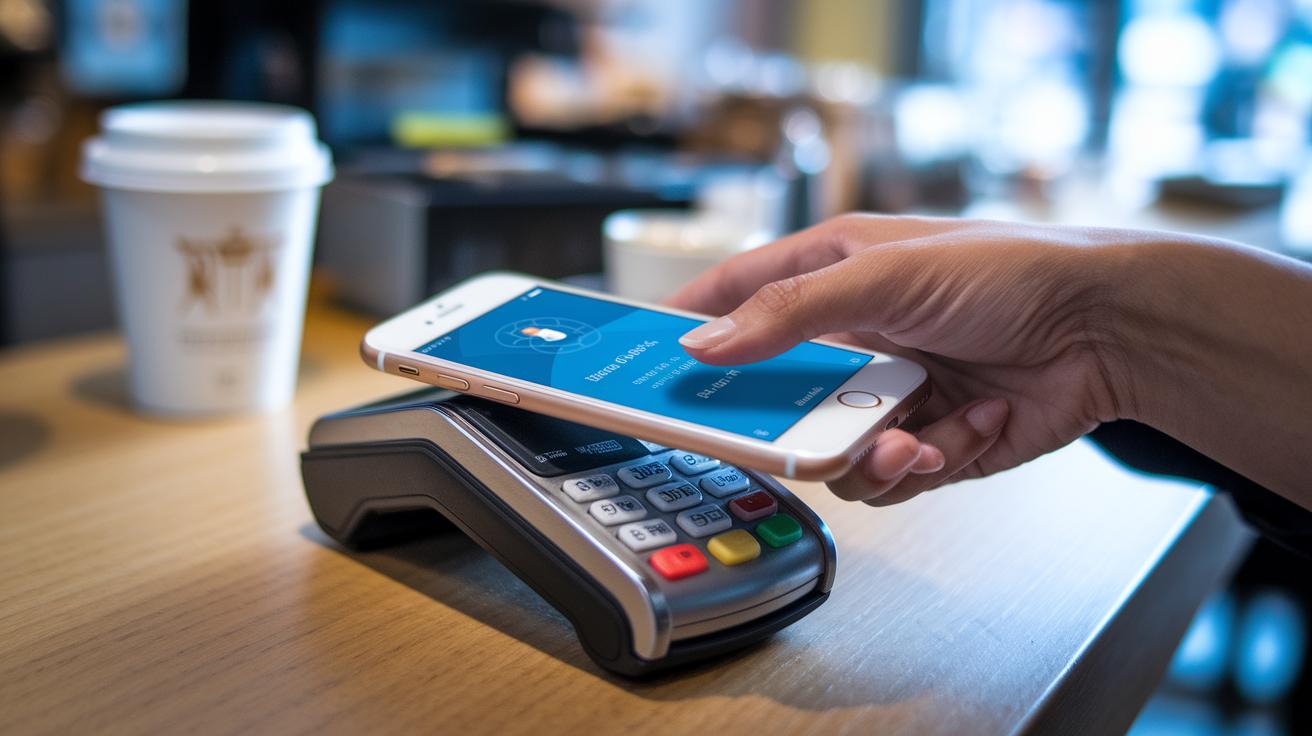
Mobile payments have come a long way. These days, you can pay quickly and securely right from your smartphone or tablet using smart digital tools that make cash and cards almost obsolete.
When you're shopping online with your phone, mobile browser-based payments let you enter your card details even if the card isn’t on hand. Just a few taps in your browser and you’re done with your purchase, a real time-saver on e-commerce sites. And if you’re using an app, in-app purchase platforms keep your payment info safe after just one setup, which means you can zip through transactions for things like ordering food or enjoying digital content without any fuss.
Then there are those nifty mobile or wireless credit card readers. They transform your device into a mini cash register by letting you swipe, dip, or tap for payment. Small local stores and vendors love them, especially when mobility is key. And of course, contactless mobile payments, often called mobile wallets, rely on technologies like Bluetooth and NFC (near-field communication, which lets devices talk over very short ranges). With these, you simply tap your phone for a secure checkout, which is perfect for busy retail spots where speed and hygiene matter.
| Payment Technology Type | Description | Typical Use Case |
|---|---|---|
| Mobile Browser-Based Payments | Enter your card details online without needing the physical card on hand. | E-commerce checkouts |
| In-App Purchase Platforms | Securely stored payment info that speeds up transactions within apps. | Digital content and service purchases |
| Mobile/Wireless Readers | Turn your phone or tablet into a portable cash register with swipes or taps. | Small businesses and mobile vendors |
| Contactless Mobile Payments | Tap-and-go checkouts using technologies like NFC or Bluetooth. | Retail and quick-service environments |
Security Protocols and Authentication Methods in Mobile Payment Technology
Mobile payment systems lean on strong safety measures to keep your financial details safe. Providers scramble sensitive card information by turning it into temporary codes through techniques like tokenization (think of it as swapping your real number for a one-time code) and encryption (which jumbles your data so no one can read it). This means even if someone intercepts the transmission, they only get a useless mix of numbers. Plus, end-to-end encryption wraps the entire message in a secure layer while it’s on its way.
Tokenization and Encryption Mechanisms
When you pay, your real card details are replaced by a unique token. Imagine getting a one-time passcode that stands in for your actual account number, if a hacker catches it, there’s no value in the data. This tokenization process helps cut down the risk of breaches. Meanwhile, encryption works alongside by masking data from the moment it leaves your device until it reaches its destination. Picture your phone sending out a scrambled message instead of plain text details, ensuring every transaction stays locked away from cyber threats.
Biometric and Multi-factor Authentication
Encryption isn’t the only guardian here. Mobile payment apps also use extra hurdles like fingerprint scans, facial recognition, or one-time passcodes to make sure it’s really you. For example, a quick facial scan might prompt you to enter a temporary code as a second step in confirming your identity. On top of that, real-time fraud detection tools keep an eye on transaction patterns to flag anything unusual right away. This mix of biometric checks and extra authentication measures means that even if one layer is compromised, no one can tap into your funds without passing every test. Regular updates to these protocols ensure the system stays a step ahead of evolving cyber threats.
Together, these methods create a robust defense that keeps mobile payments secure. Constant monitoring links every transaction with a network of safeguards, letting you enjoy quick, reliable, and safe payments every time.
Adoption Trends and Consumer Behavior in Mobile Payment Technology
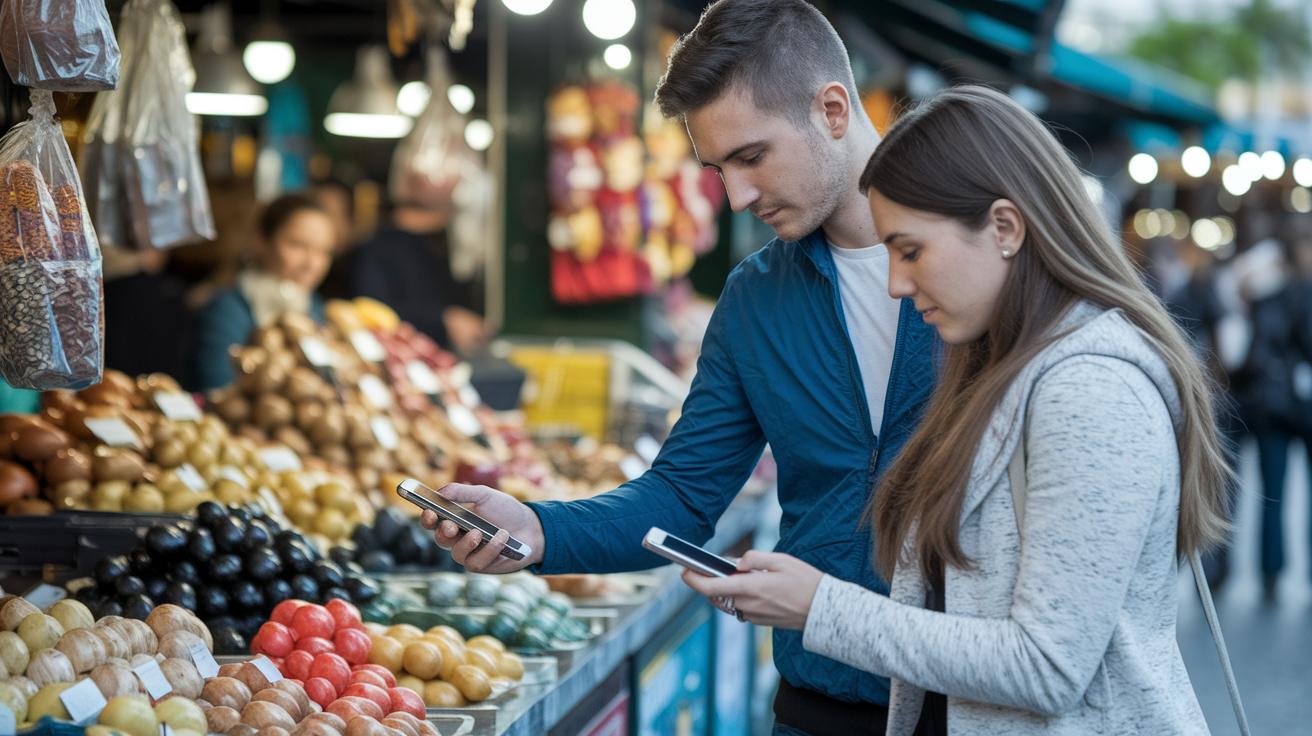
Mobile payments have completely transformed how we handle money every day. It's exciting to see digital wallets building confidence, especially with contactless scanning and NFC-based transactions making payments quick and easy wherever they’re needed. Lots of people now appreciate in-app purchase options that let them shop online or in stores without ever pulling out a physical wallet. Still, even with this growing trend, several factors can affect how rapidly these systems take off.
Interoperability remains a challenge when different wallet apps and merchant networks don't sync up smoothly. This mismatch can lead to frustrating experiences when transferring funds or switching between different payment apps. And if you’re in an area with patchy network connectivity, think slow data speeds or brief signal drops, transactions can sometimes lag or even fail just when you need them to work fast.
User education is another key factor in wider adoption. In regions with limited tech skills or digital know-how, clear tutorials, demos, and support hotlines give customers the confidence to use these technologies. It’s a bit like learning to use a new gadget; once you understand the basics, everything else just clicks into place. On the merchant side, small shops and local vendors often face hurdles with complex onboarding processes and a lack of technical support. These issues can hold back businesses from fully embracing mobile payments, even though they’re aware of the benefits for fast and secure transactions.
- Interoperability issues across different platforms
- Network connectivity challenges affecting transaction speed
- Need for customer support and targeted educational tools
Overall, trends in consumer behavior and experiences from retailers are driving a market that’s both innovative and challenged by real-world obstacles.
Future Innovations and Challenges in Mobile Payment Technology
Imagine a future where you can pay with just your voice or a quick tap on your smartwatch. New ideas like voice-activated payments and facial recognition are set to change the way we handle money, making transactions simpler, smarter, and secure.
With 5G rolling out, payments are about to get lightning fast. Think about using your phone with NFC (a near field communication method that lets devices talk when close) to pay almost instantly. In-app purchases will become even smoother, letting you check out quickly without long waits. And when it comes to sending money to friends, peer-to-peer transfers will be so seamless, it feels like magic.
Behind the scenes, experts are working on standardized protocols and cross-platform hubs to help different mobile payment apps connect easily. With open banking APIs and supportive policies in play, these advances are likely to reach more people and bring financial services to everyone.
Wearable payments are also gaining ground, with smartwatches turning into powerful little payment devices. As these cutting-edge methods evolve, we’ll need to tackle technical and regulatory challenges to keep everything safe and reliable every day.
Final Words
In the action, this article jumped right into the inner workings of mobile payment technology. It broke down essential concepts, from the fundamentals and various transaction types to the security measures that back these systems. We also looked at consumer trends and even glimpsed upcoming features that could reshape how we pay. Each section painted a clear picture of today's mobile payment landscape, making it easier to grasp even the trickier details. Everything points to a bright future for mobile payment technology.
FAQ
What is mobile payment technology?
Mobile payment technology refers to using devices like smartphones and tablets to make transactions. It works through apps or browsers that store your payment details for both in-store and online purchases.
What is the mobile money payment method?
The mobile money payment method means sending or receiving money using your mobile device. This method simplifies managing and transferring funds without needing a physical bank.
What types of mobile payment technology are there?
There are several types including browser-based payments, in-app purchases, portable card readers, and contactless mobile wallets that use NFC or Bluetooth for quick, tap-to-pay transactions.
Can you provide an example of a mobile payment system in e-commerce?
An example is when you pay for online shopping through a mobile payment system that uses saved card details, giving you a smooth, fast checkout process on your smartphone.
How do mobile payment apps like Google Pay, Apple Pay, and Samsung Pay work?
Mobile payment apps like Google Pay, Apple Pay, and Samsung Pay store your card data securely and let you tap your phone at checkout, making your in-store or online transactions simple and fast.
What was the first mobile payment app?
The first mobile payment app emerged when mobile devices began to support financial transactions, paving the way for digital wallets that let you make card-not-present purchases easily.
What are the different types of electronic payment systems?
Electronic payment systems include mobile wallets, traditional card-based payments, bank transfers, and online platforms. Each system offers a secure method for completing digital transactions in diverse settings.
What is the mobile phone payment method?
The mobile phone payment method uses your phone to perform financial transactions, typically via app-based solutions or NFC technology, making payments quick and accessible wherever you are.
How do companies in mobile payment technology compete?
Companies compete by delivering innovative, secure, and user-friendly mobile payment solutions tailored for both online and in-store transactions, aiming to offer fast and reliable payment experiences.
What are some typical mobile payment examples used worldwide?
Typical mobile payment examples include using digital wallets for tap-to-pay retail purchases, transferring money via apps like Cash App, and processing transactions through platforms like the Unified Payments Interface.