

Ever wonder if your smartphone could double up as a personal bank? Mobile money lets you do just that, pay your bills or send funds to a friend right from your sleek device.
In Madagascar, many people have discovered how easy it is to use these digital tools for everyday tasks like paying bills or transferring cash. The process is fast and secure, giving users a sense of hope for a smoother, more reliable way to handle money.
In this article, we break down what mobile money is all about and share why it’s sparking optimism for a safer digital future.
Understanding the Fundamentals of Mobile Money
Mobile money lets you handle your cash right from your phone without needing a bank. It makes everyday transactions a breeze by cutting down fees and speeding up payments. For instance, in Madagascar, over one-third of the people use mobile money for bill payments, friend-to-friend transfers, savings, and even tiny paperless loans, pretty amazing, right?
It all works through a simple mobile app or a USSD code, so you can manage your money with just a few taps. Your digital wallet safely stores your funds, letting you make transfers in seconds. And with features like PIN protection and two-factor authentication, you can relax knowing your transactions are well guarded.
Mobile money has truly changed the game worldwide. In Africa, for example, it makes up 70 percent of a trillion-dollar market, showing how effective and convenient it is compared to old-school banking methods. This shift not only alters how we handle money but also opens up financial services to people in far-flung places.
Plus, mobile money apps are continually evolving. They now support things like bill payments, airtime top-ups, and even small loans. In other words, these systems are revolutionizing day-to-day money management and making banking accessible for everyone.
Leading Mobile Money Operators and Platforms

M-Pesa burst onto the scene in 2007 in Kenya and quickly became one of the most trusted mobile money solutions. With over 50 million registered users, it lets people send money, top up airtime, and pay bills with a simple tap, kind of like paying your electricity bill while you’re grabbing a coffee.
Orange Money stepped in a year later in 2008 across West Africa, and its digital payment platform really stands out. Its mobile wallet design makes transferring funds or paying bills straightforward by tapping into an extensive network of agents, so everyday financial tasks become a breeze.
MTN Mobile Money, active in more than 30 countries and serving over 50 million customers, mixes traditional and modern payment methods flawlessly. The service not only supports basic transactions like deposits, transfers, and withdrawals but also integrates with ATMs and agent networks. It’s like having a bank in your pocket!
Together, these leading platforms have brought mobile money to the forefront. They simplify even the trickiest financial tasks, letting you manage your money anytime, day or night, with ease and confidence.
Mobile Money vs. Conventional Banking: A Comparative Overview
Mobile money and traditional banks offer completely different ways to handle your cash. With mobile money, you use USSD codes or simple apps on your phone to send money, make payments, and even pay bills. It's all digital, meaning no more long waits at bank branches. Plus, you often enjoy lower fees, usually around 1% to 5% per move. In comparison, conventional banks not only charge transaction fees that range from 2% to 10%, but they also tack on extra account-maintenance fees. For many, especially underserved groups like women and low-income earners, mobile money feels like a breath of fresh air.
Regulations add another twist. Mobile money providers often require extra checks (like KYC) for transactions over about USD 300 to boost security. Meanwhile, traditional banks have their own tried-and-true measures but can sometimes lag behind the digital pace. The flexibility of mobile money, accessible on any basic mobile device, means more people can join in on cashless transactions without the hassle of visiting a branch.
Mobile money also packs a wide range of services into one neat package, it lets you send money, pay bills, deposit, and even withdraw funds, 24/7. On the flip side, traditional banks usually stick to business hours and might ask you to show up in person. With a smooth, user-friendly interface and strong digital security features, mobile money tools have truly empowered millions of users, giving them more control over their finances.
| Feature | Mobile Money | Traditional Banking |
|---|---|---|
| Account Setup | Fast registration via apps or agents with minimal paperwork | Often involves a lengthy process with lots of paperwork and branch visits |
| Fees | Typically between 1% and 5% per transaction | Usually ranges from 2% to 10% plus additional maintenance charges |
| Services | Instant transfers, deposits, bill payments, and more | Standard services like deposits, withdrawals, and loans |
| Accessibility | Accessible anywhere via USSD or apps | Restricted to branch locations and specific operating hours |
| Security | Enhanced with features like PIN codes and two-factor authentication | Reliable but mainly depends on physical branch security |
mobile money Sparks Digital Finance Optimism
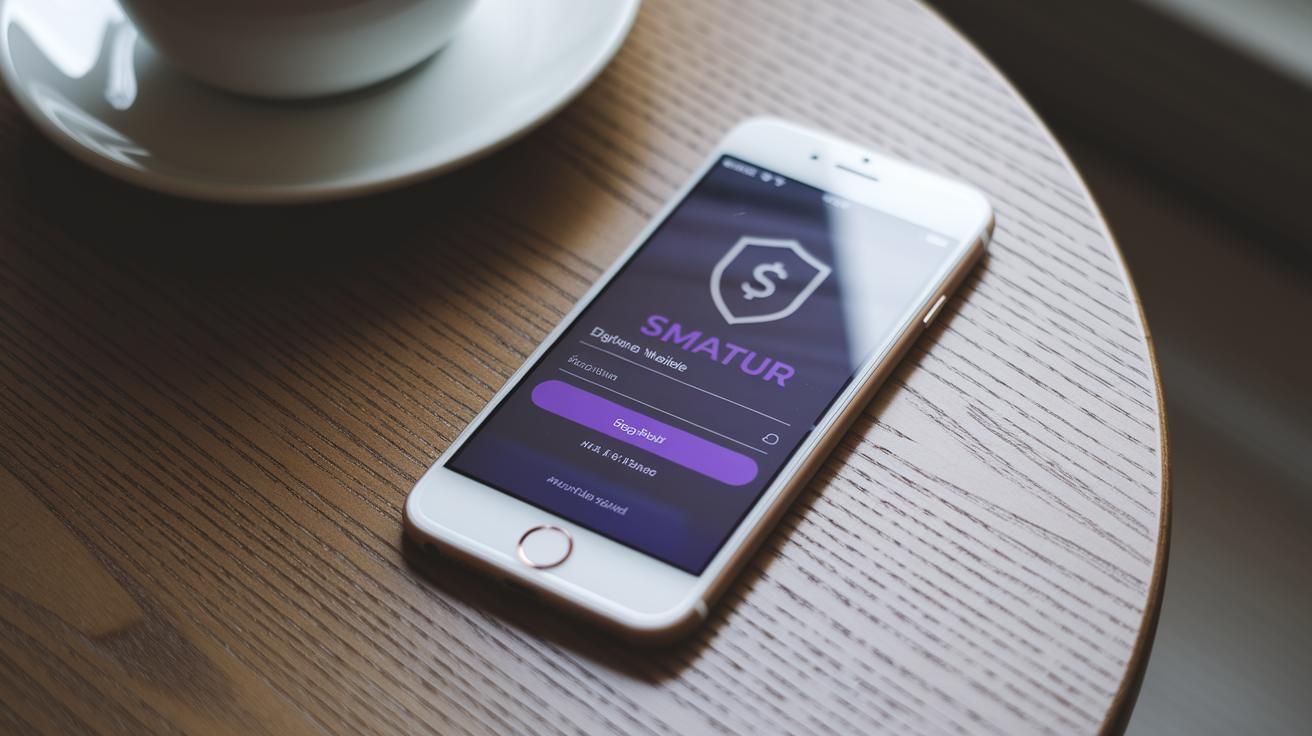
Mobile money is giving digital finance a fresh boost. It’s changing the way people handle cashless transactions, making it fast, simple, and accessible. Users now enjoy cool new features like instant micro-loans and digital savings that help even small business owners keep track of their cash on the go. Imagine a local shop owner who gets a quick notification to restock items, keeping cash flow in check in real time.
| Benefit | Description |
|---|---|
| Speed | Transactions completed in seconds |
| Accessibility | Always available to handle everyday money tasks |
| Low Fees | Less expensive fees compared to traditional banking |
| Innovation | Features like micro-loans and digital savings for smarter money management |
| Resilience | Adapts well even during power or network hiccups |
Security is crucial when it comes to mobile money. It relies on secure methods like PIN entry, two-factor authentication, and encryption to keep funds safe. At the same time, it’s important to watch out for scams such as SIM-swap fraud and phishing attempts. Staying up to date with service alerts and new regulations can help ensure transactions remain secure.
| Security Tip | Details |
|---|---|
| Strong Authentication | Use PINs, two-factor authentication, and encryption |
| Fraud Alert | Be cautious of SIM-swap fraud and phishing schemes |
| Keep Informed | Monitor alerts to handle any outages or issues |
| Follow Regulations | Stay updated with new rules for secure transactions |
Research like the Global Findex 2021 study shows that digital payments can really help households stay strong during uncertain economic times. Mobile money is more than just a modern convenience, it’s a tool that builds financial resilience while keeping life running smoothly.
Getting Started with Mobile Money: Registration, Deposits, and Transactions
Getting started with mobile money is easy and friendly. First, sign up by visiting a local agent or downloading the mobile money app. You’ll need to show a photo ID and set up a secure PIN, kind of like creating a special code that unlocks your financial tools. For example, I registered using the app, snapped a pic of my ID, and picked my favorite number as my PIN.
Once you’re registered, adding funds is a breeze. You can quickly deposit cash at an agent outlet or transfer money from your bank into your mobile money wallet. And when you need cash, just perform a mobile money withdrawal, available at agents or through ATMs that work with the service, providing fast cash-out options.
To keep tabs on your account, you can check your balance with simple USSD codes or through the app. You can also log in to access services like mobile airtime top-ups, bill payments, or money transfers, all completed in under 10 seconds. With mobile money, everyday transactions are as quick and secure as sending a text.
Emerging Trends and Innovations in Mobile Money
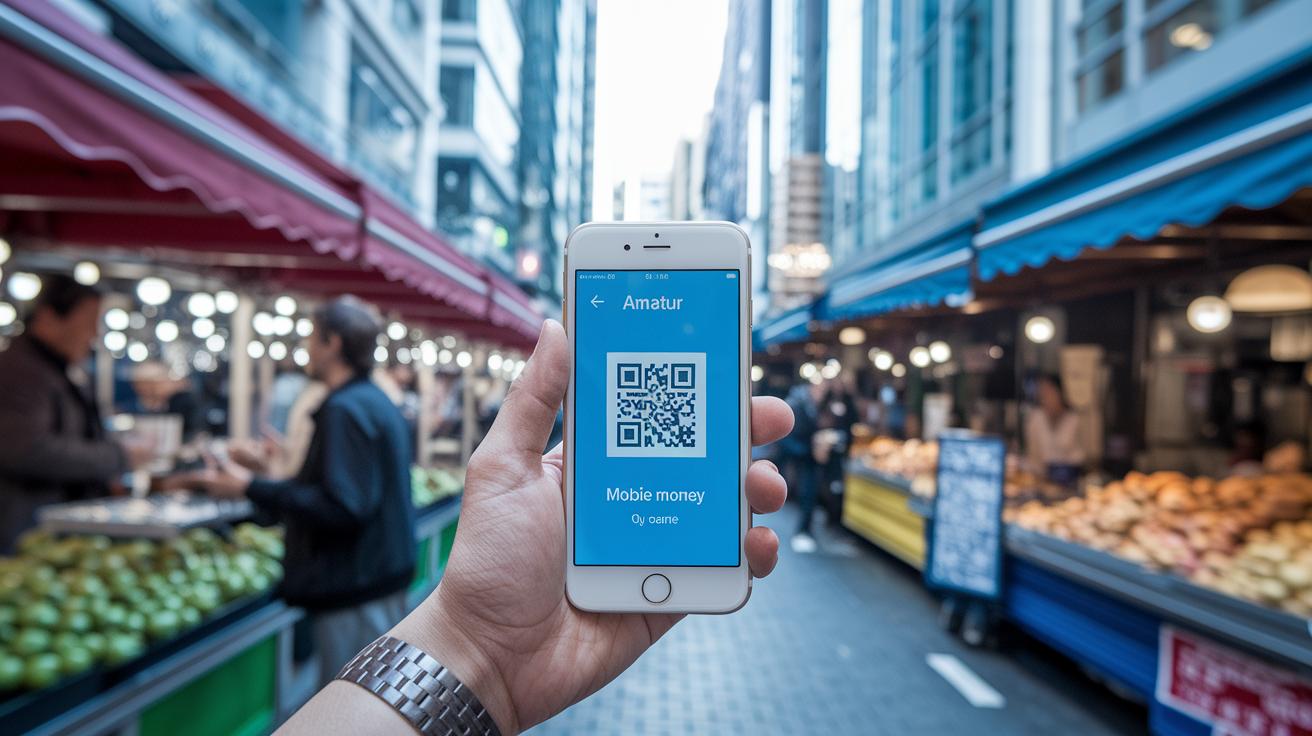
Mobile money trends are fueling a fresh wave of excitement in digital finance. New technologies, like better API integration with banks and third-party services, are making transfers between cashiers, banks, and even across borders feel smooth and natural. Picture an app instantly connecting with your bank to send money overseas, making global transactions seem as easy as local ones.
At the same time, smart innovations in mobile finance are changing how we handle everyday payments. NFC (a wireless technology for close-range communication) and QR-based merchant payments are gaining ground in busy cities, offering rapid and secure checkouts alongside traditional agent methods. Cloud platforms and AI-driven fraud checks add extra layers of trust and reliability to every transaction. Plus, fresh digital offerings like nano-loans, micro-insurance, and pay-as-you-go utilities are expanding mobile money far beyond simple transfers, giving people the flexible financial tools they need on the go.
Experts are predicting a 15% annual growth for the global mobile money market through 2025, with emerging economies leading the charge. Enhanced mobile banking features and tighter security measures are building user confidence in digital finance solutions.
Innovation is setting new standards and reshaping the way we manage money every day.
Final Words
In the action, we explored the basic workings and benefits of mobile money, comparing it to traditional banking, diving into operator features, and guiding you through quick registration and secure transactions. We shared insights on how mobile money fuels financial inclusion and drives swift, safe transfers. Each part helped us see why mobile money is a reliable choice for everyday activities. Stay positive and excited about the future, as mobile money continues to transform how we manage funds seamlessly.
FAQ
Mobile money transfer
The mobile money transfer means sending funds digitally between mobile accounts using USSD codes or apps, allowing users to complete transactions quickly and securely without visiting a bank.
Mobile money app
The mobile money app means a smartphone tool that manages digital wallets, letting users deposit, transfer, check balances, and carry out payments through a secure and friendly platform.
Free mobile money
The concept of free mobile money means accessing digital financial services with minimal or no extra fees, allowing everyday users to manage funds cost-effectively without traditional charges.
Mobile money online
The mobile money online service means using internet-accessible platforms to handle deposits, transfers, and bill payments via mobile devices, offering a fast and convenient alternative to brick-and-mortar banks.
Mobile money balance check
The mobile money balance check means using an app or USSD code to view your digital wallet’s funds instantly, ensuring you stay informed about your current account status.
Mobile money withdrawal
The mobile money withdrawal means retrieving cash from your digital account at agent outlets or linked ATMs, providing on-demand access to funds wherever you are.
Mobile MONEY login
The mobile MONEY login means securely accessing your digital wallet by entering your PIN or password, ensuring that only authorized users can manage and view transactions.
T-Mobile MONEY
T-Mobile MONEY means a service offered by T-Mobile that combines mobile phone usage with financial management tools, letting users handle spending, savings, and transactions through an intuitive app.
What do you mean by mobile money?
What mobile money means is a digital wallet service that lets users deposit, transfer, and pay bills without traditional branches, boosting financial inclusion and everyday convenience.
What is an example of mobile money?
What an example of mobile money means is a service like M-Pesa, which allows users to send funds, pay bills, and withdraw cash using mobile technology for a flexible financial solution.
What is the difference between mobile money and bank transfer?
What the difference between mobile money and bank transfer means is that mobile money uses digital wallets accessed via mobile devices for instant transactions, while bank transfers typically rely on established bank networks and branches.
Who is the CEO of Mobile Money?
Who the CEO of Mobile Money means varies by provider, as companies like M-Pesa and Orange Money have their own leadership; visit the respective service’s site for the latest information.