

Ever wondered if your phone could double up as a mini tablet? Foldable mobile tech brings together a sleek, compact design with a large, immersive screen that changes how we use our devices. Big companies are now focusing on smarter hinge designs and tougher materials to fix issues like screen creases and hinge wear. In today’s world where productivity meets flexibility, these innovations could seriously revamp how we interact with our tech, making our daily mobile experience more versatile than ever.
Foldable Mobile Technology Outlook: Advancements, Market Trends, and Challenges
Foldable mobile technology is quickly making its mark. With flexible displays that shift from a standard smartphone to a tablet-like screen, these devices pack a surprising punch. They let you keep things compact while still giving you that big display for handling multiple apps or enjoying videos. Big names like Samsung, Google, and Huawei are all in, investing in the latest bending tech and smarter hinge designs. And honestly, having a gadget that works in both modes can really boost your productivity, even though classic smartphones still win some hearts with their light, fixed design.
The industry’s racing ahead, but a few bumps remain in the road. Key issues that tech experts are keeping an eye on include:
- Hinge wear with prolonged use
- Crease durability and the chance of screen fatigue
- Dust and debris getting inside
- High production and retail costs
- Limited long-term reliability studies
Still, market forecasts look bright. Experts feel that as screen durability research advances and production costs start dropping, these challenges will eventually shrink. With better manufacturing and new materials, problems like worn-out hinges and screen creases could vanish. In other words, if these hurdles are sorted, foldable phones, merging the power of a high-performance smartphone with an immersive, expansive screen, could capture a significant slice of the market and truly reshape how we see mobile innovation.
Material and Engineering Breakthroughs Shaping Foldable Mobile Technology
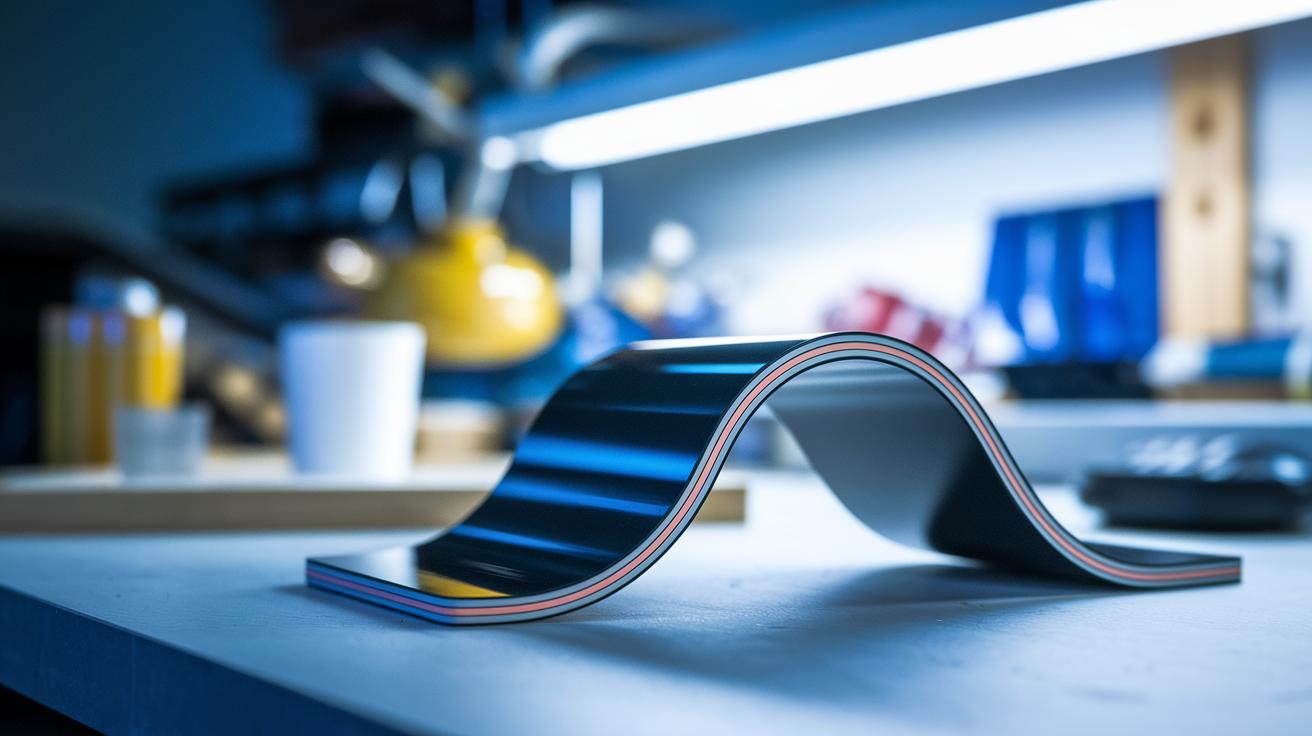
Flexible substrates like ultra-thin glass and advanced polymer layers are shaking up the way we think about foldable devices. These materials can bend with ease thanks to new compounds that not only let screens flex with barely any stress but also keep tiny scratches and creases at bay. Fun fact: engineers have created a flexible polymer layer that can bend hundreds of thousands of times without showing wear, pushing screens to new limits.
| Innovation | Benefit |
|---|---|
| Novel bending materials | Enhanced flexibility and resistance to micro-scratches |
| Reinforced hinge designs | Improved durability with fluid grease chambers and metal alloys |
| Eco-friendly polymer composites | Reduced environmental impact with sustainable research |
| Engineering precision design | Lower defect rates and cost efficiency in production |
New manufacturing methods are making foldable phones easier to produce on a big scale. Smart processes are cutting down defect rates and could lower per-unit costs by up to 20% soon. This boost means manufacturers can blend high durability with better prices, making these slick designs accessible to more folks. It's all about merging cutting-edge material science with clever engineering to bring flexible, high-performance displays to the masses.
Software and Interface Optimization for Foldable Mobile Technology
Foldable devices need strong operating system support to switch smoothly between closed and open modes. The OS keeps apps running in the background and manages multiple windows without causing lag or forcing apps to restart. Early use of custom software builds helps the hardware and software work together, giving users a smooth and reliable experience.
User interface challenges are key in these devices. The smart design has to quickly adjust when the screen changes shape, so you never deal with annoying menu reloads. Flexible interface modules play a big part in keeping everything running seamlessly.
Engineers are also rolling out software patches to fix continuity bugs and improve touch response on screens of different sizes. They’re releasing updates bit by bit to make multitasking more efficient and transitions feel fluid. Developers test these UI tweaks on platforms like Android 12L+ to show that a few well-thought-out changes can really smooth out how the system adapts. One main strategy is fine-tuning the middleware that handles display scaling and app rendering during these changes. This not only boosts the synergy between hardware and software but also keeps the interface consistent. New flexible interface modules are being added too, so the screen can quickly adapt to sudden changes. All in all, these new solutions clearly tackle the challenges of foldable tech while pushing the technology forward.
Future of foldable mobile technology: Exciting Breakthroughs
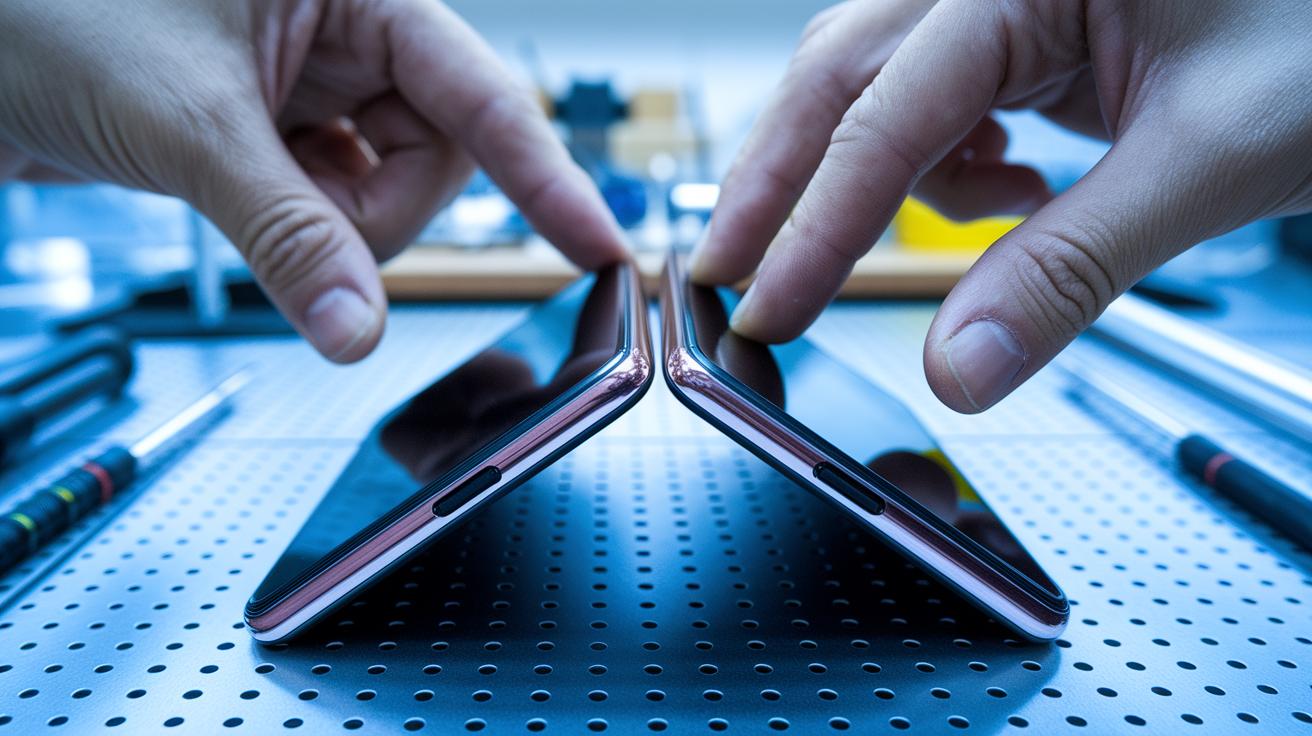
Big tech players in the foldable scene are shaking things up. Samsung's Galaxy Z Fold and Z Flip, Google's Pixel Fold, and Huawei's Mate X series all prove that established brands are pushing the limits of what mobile devices can do. These devices mix the everyday ease of a smartphone with the spacious experience of a tablet. Each brand puts its own spin on the design, yet they all share the goal of changing how we use our devices. This friendly rivalry keeps the industry on its toes, which means we get devices that are smarter and more adaptable.
Experts are buzzing with ideas that foldable phones could really take off once issues like durability and high costs are sorted out. Predictions show a growth rate of over 20% per year until 2027, and some think foldables could account for 10-15% of all smartphones by 2025. As materials and hinge systems improve to match the reliability of regular phones, barriers will likely drop, opening the door for more people to try these innovative gadgets.
- Smart new designs in flexible screens and hinge tech
- Fierce competition among top brands driving constant improvement
- Market growth expected with a compound annual rate of over 20%
- High price tags and production costs still pose a challenge
- The importance of clear consumer insights on how foldables can simplify your tech life
Testing Durability and Longevity Methods for Foldable Mobile Technology
When it comes to foldable tech, everything starts with the hinge. In labs, experts repeatedly open and close these devices, up to 200,000 cycles, to check for hinge wear and spot any sign of screen creases. They simulate everyday use so that any weak points show up before the gadgets hit the market. Just imagine a foldable phone that’s opened and closed hundreds of thousands of times in a few days to see if its hinge can handle the constant action.
Next, tests that mimic real-world conditions play a big role. Dust chamber tests and abrasion trials recreate the effects of everyday particles and friction on your device. These experiments show how tiny scratches develop along the fold lines and whether any debris can slip inside. This feedback lets engineers fine-tune protective designs and keep screens sturdy over time.
Battery reliability adds another twist to the mix. Foldable phones have to juggle powering two displays while keeping their temperatures in check. To test this, batteries go through about 500 full charge cycles to see if their performance starts to drop off. Designers closely track thermal stress and capacity retention to avoid any early battery issues.
Finally, all these tests come together through smart design choices. Protective coatings on inner layers and improved frame seals boost the phone’s overall lifespan, while new screen innovations ensure brightness and clarity even after long-term use. By checking hinges, environmental impacts, and battery cycles side by side, manufacturers are paving the way for foldable smartphones that can truly handle everyday demands.
Future Consumer Expectations and Adoption Challenges in Foldable Mobile Technology

Early adopters see foldable phones as elite gadgets, sort of like a luxury treat until prices fall below $800 and long-term performance is proven. Surveys show that while tech lovers are excited by the fresh design and bigger screens, most people are taking a cautious wait-and-see approach. They worry about issues like durability and smooth software performance, and they’re mindful of extra costs for protective accessories like custom cases and screen guards.
Many users are especially drawn to foldable devices for multitasking, streaming movies, or even gaming, thanks to the extra screen space that makes everything more engaging. This dual-mode design lets them switch between everyday tasks and high-performance activities without skipping a beat.
Still, the road to widespread adoption isn’t without bumps. Lots of potential buyers are hesitant because they’re not sure how these devices will hold up over time, and the additional expense for safety gear adds another hesitancy. These combined factors keep many average consumers a bit skeptical, even as the promise of innovation shines through.
Final Words
In the action, the post examined flexible displays, refined hinge mechanisms, and ongoing improvements in material science, stressing both exciting benefits and pressing challenges like hinge wear, crease durability, and higher costs.
We broke down how innovative design and software tweaks pave the way for enhanced multitasking and user interfaces. The market outlook remains upbeat, and the future of foldable mobile technology looks promising, inviting tech fans to stay tuned for further advances that make these devices more accessible and reliable.
FAQ
Future of foldable mobile technology reddit
The future of foldable mobile technology on Reddit focuses on user insights and community debates surrounding design challenges, durability, and cost concerns, reflecting early expectations for improved everyday usability.
Future of foldable mobile technology 2025
The future of foldable mobile tech in 2025 predicts enhanced durability and more affordable pricing. Experts expect continued innovation in hinge mechanisms and display technology to drive broader consumer adoption.
Will foldable phones take off?
The question of whether foldable phones will take off centers on advancements in design and improvements in production costs. Rising innovations and user interest suggest foldable models could soon gain solid market traction.
What is the disadvantage of a foldable phone?
The disadvantage of a foldable phone lies in its current issues with hinge wear, crease durability, and debris infiltration, which can lead to higher manufacturing costs and potential reliability concerns compared to traditional smartphones.
Why is Apple not making foldable phones?
The inquiry as to why Apple is not making foldable phones relates to the company’s cautious approach. Apple appears to be waiting until foldable technology addresses durability and cost challenges to meet its high product standards.
What is the point of foldable smartphones?
The point of foldable smartphones is to merge compact portability with a tablet-like experience for multitasking and media consumption, offering users an adaptable device that boosts productivity and provides fresh interactive formats.